
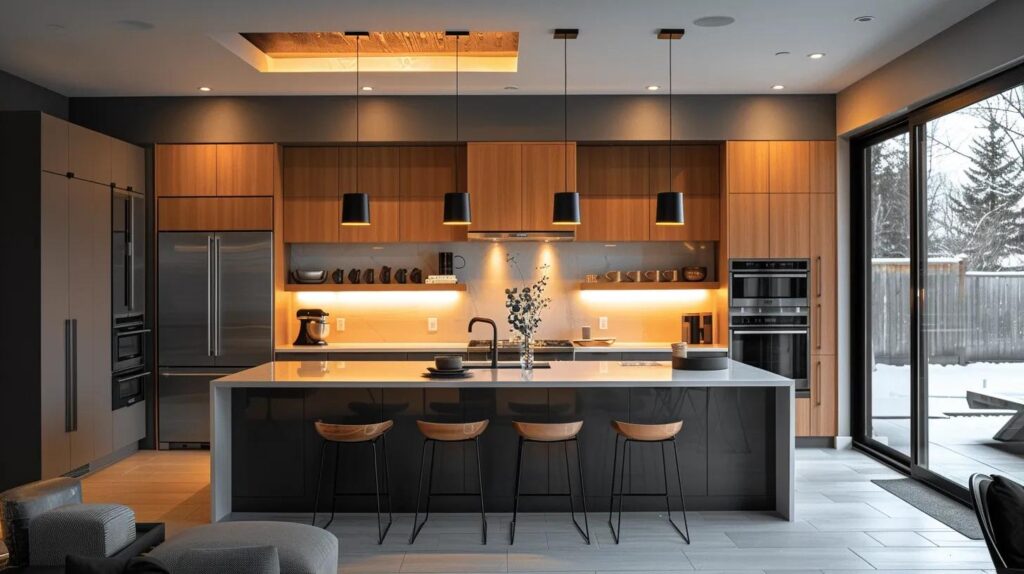
Creative Kitchen Layout Design Ideas for Every Space
Key Takeaways
- Small kitchens can be maximized by choosing efficient layouts, strategic storage, and modern appliance selections.
- Incorporating open-concept designs and ergonomic planning enhances kitchen workflow and overall usability.
- Innovative concepts including themed designs, scenic views, and integrated islands provide both functionality and style.
- Renovation costs can be managed with thoughtful layout choices and sustainable design options.
What Are the Best Small Kitchen Design Ideas to Maximize Space?
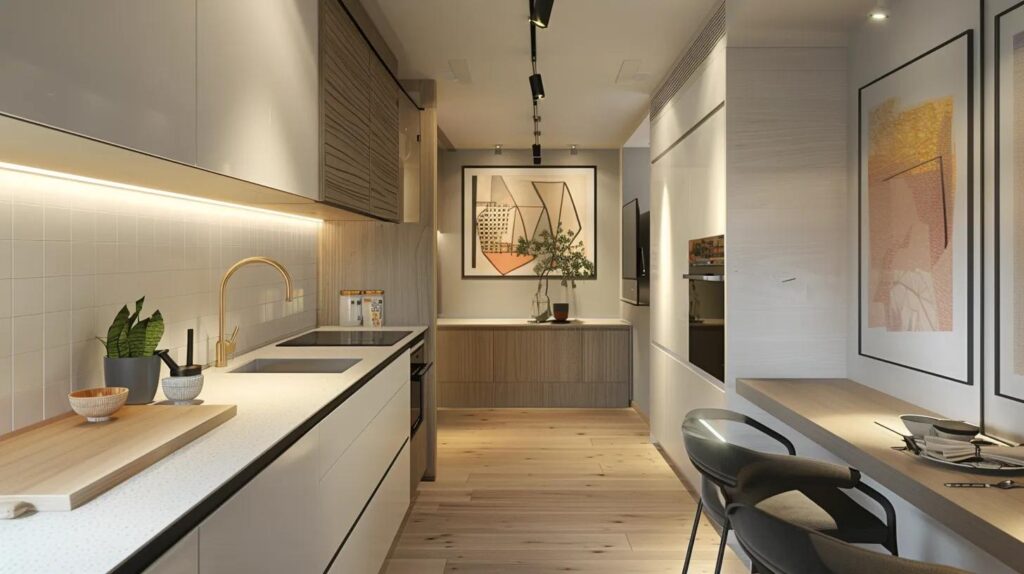
small kitchen design ideas focus on creating efficient layouts and maximizing every square inch for a kitchen remodel. By using galley, l-shaped, or u-shaped configurations along with multipurpose furniture and built-in cabinetry, designers can ensure smooth workflow and maintain an uncluttered look.
Which Layouts Work Best for Small Kitchens?
Galley and L-shaped kitchens are most common for their compact yet efficient design. Galley layouts create a linear work triangle while L-shaped designs effectively use corner spaces, and adding peninsula or island elements can visually and functionally expand the area.
How Can Storage Solutions Improve Small Kitchen Functionality?
Optimized storage is key in small kitchens. Utilizing vertical space through wall-mounted shelves, pull-out pantries, and custom cabinetry—as well as incorporating multi-functional drawers and hidden compartments—reduces clutter and enhances workflow.
What Are the Top Appliance Choices for Compact Kitchens?
Compact appliances that deliver full functionality are ideal. Slimline dishwashers, under-counter refrigerators, countertop ovens, and induction cooktops with integrated ventilation systems help maintain a clean aesthetic while aligning with the kitchen work triangle.
What Are the Latest Trends in Modern Kitchen Layouts?
Modern kitchen designs blend functionality with a sleek, minimalist look and smart home technology. Trends include floating countertops, integrated appliances, and sustainable materials combined with high-end lighting to create seamless, open spaces.
Which Modern Kitchen Cabinet Styles Are Most Popular?
Handle-less cabinets with high-gloss finishes and modular systems dominate modern designs. These cabinets offer a streamlined look with push-to-open mechanisms and the flexibility to reorganize as needed, contributing to a continuous, uninterrupted visual flow.
What Countertop Materials Define Modern Kitchens?
Durable and stylish materials like quartz, granite, and engineered stone are preferred for modern kitchens. Complemented by recycled glass and sustainable composites, these countertops provide both aesthetic appeal and practicality for meal preparation.
How Do Stainless Steel Appliances Enhance Modern Kitchen Design?
Stainless steel appliances add a polished, industrial touch to modern kitchens. Their sleek finish and energy-efficient technologies integrate well with matte cabinetry and natural stone, creating a professional yet inviting atmosphere.
How Can Open Concept Kitchen Designs Transform Your Space?
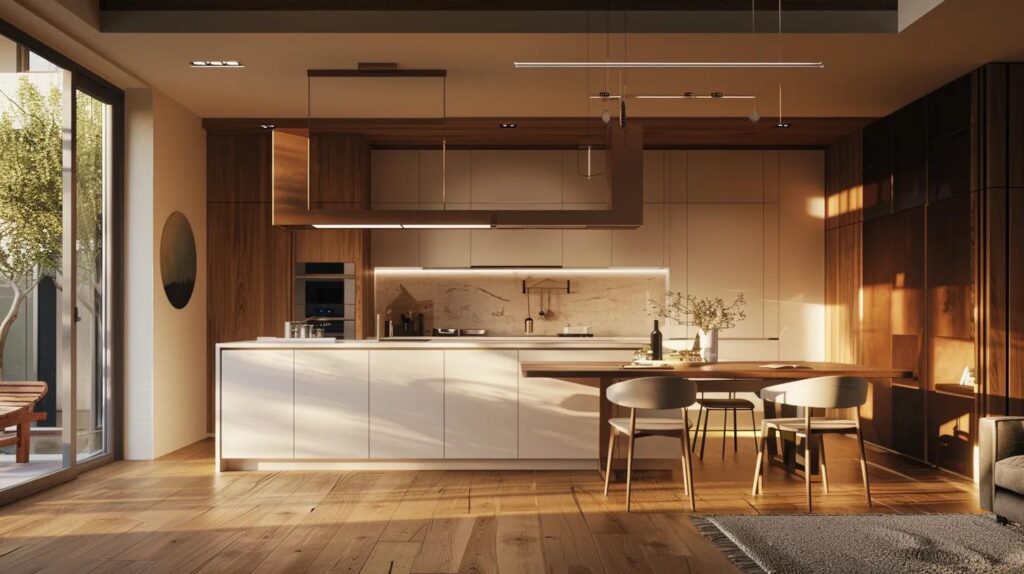
Open concept kitchens break down traditional barriers by integrating cooking, dining, and living areas. The removal of walls allows natural light to fill the space, enhances social interaction, and creates the perception of a larger, more fluid area.
What Are Effective Open Concept Kitchen Layouts With Islands?
Islands in open concept kitchens serve as multifunctional hubs, offering additional workspace, storage, and even dining areas. They help designate separate work zones while promoting fluid movement and conversation throughout the space.
How Do You Design Open Concept Kitchens for Small Spaces?
For small spaces, open concept designs rely on minimizing visual obstructions with glass cabinets, open shelving, and clear partitions. Strategic lighting and reflective surfaces further enhance spaciousness, while compact, multipurpose furniture maintains functionality without overwhelming the design.
What Are the Benefits of Transitioning From Closed to Open Kitchens?
Transitioning to an open kitchen layout improves natural light and ventilation, promotes interaction during meal preparation, and can boost property resale value. The design creates a unified environment where cooking, dining, and living areas complement each other.
How Do You Optimize Kitchen Space for Maximum Efficiency?
Efficiency in kitchen design hinges on a well-planned layout that minimizes movement between key areas. By focusing on the kitchen work triangle and integrating ergonomic design principles, every element from storage to appliance placement contributes to smooth, efficient operation.
What Are the Best Ways to Maximize Kitchen Storage?
Maximizing storage involves using vertical space and innovative cabinetry solutions. Tall cabinets, pull-out pantry units, and hidden drawers help secure utensils and appliances, reducing clutter while maintaining easy accessibility.
How Does Ergonomic Design Improve Kitchen Usability?
Ergonomic design tailors kitchen layout to human movement, reducing physical strain during repetitive tasks. Features like adjustable countertops and strategically placed work surfaces reduce travel distance and promote a comfortable, user-friendly environment.
What Layouts Work Best for Limited Kitchen Spaces?
For limited spaces, galley and single-wall designs are most effective, concentrating cooking, cleaning, and storage functions along a linear path. Sometimes, a compact U-shaped layout can be employed if the configuration allows, ensuring that all zones remain easily accessible.
What Unique Kitchen Concepts Can Inspire Your Next Design?
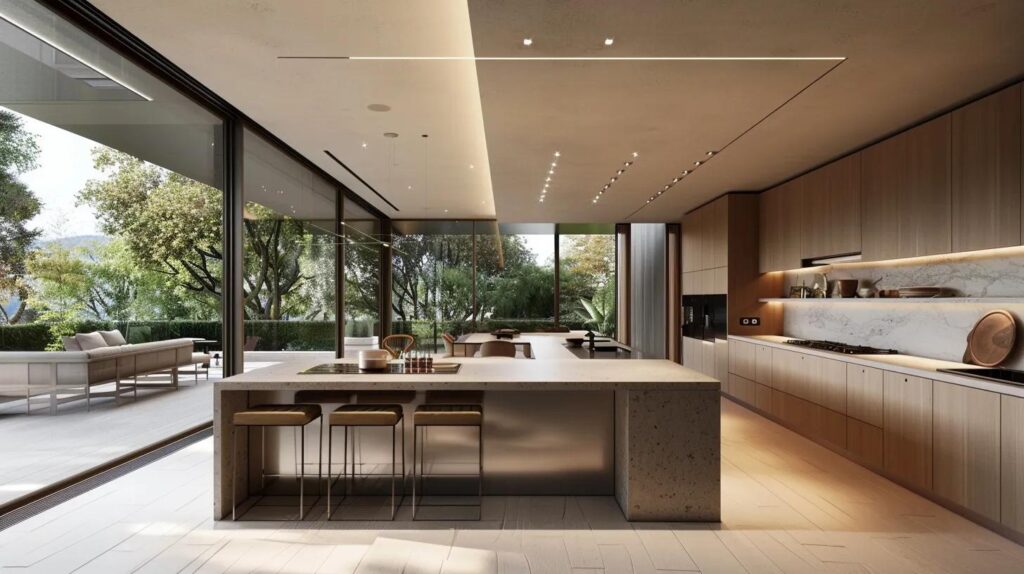
Unique kitchen concepts merge practicality with creative design. Ideas such as kitchen islands with seating, panoramic window integrations, and thematic culinary zones transform the kitchen into a dynamic space that inspires both cooking and social interaction.
What Are Innovative Kitchen Island Designs With Seating?
Innovative islands combine workspace with seating, incorporating integrated storage like hidden pantries. Ergonomic seating options and multifunctional features make these islands the central focal point in modern, open kitchens.
How Can Kitchen Design Incorporate Scenic Views?
Strategically placed windows or glass walls can connect indoor kitchens with the outdoors. This design approach floods the space with natural light and creates a soothing, spacious ambiance while framing scenic views.
What Are Popular Themed Kitchen Design Ideas?
Themed designs, from industrial chic with exposed brick and stainless steel to farmhouse elegance with reclaimed wood and vintage fixtures, offer both visual appeal and functional benefits. These themes creatively merge aesthetics with practical layouts, ensuring efficient storage and workflow.
How Do Kitchen Layout Choices Impact Renovation Costs and Functionality?
Smart layout choices directly influence renovation costs by reducing waste and labor through efficient planning. A well-planned design minimizes future modifications while enhancing the overall workflow and storage capacity of the kitchen.
What Is the Average Cost Range for Kitchen Renovations?
Renovation costs can vary widely. Minor updates like repainting and fixture changes may cost between $10,000 and $20,000, whereas full remodels with custom cabinetry and new appliances might run from $25,000 to $75,000, depending on material choices and project complexity.
How Do Layout Decisions Affect Kitchen Functionality?
Layout decisions are critical to functionality. By designing an efficient work triangle and delineating specific zones for food preparation, cooking, and cleanup, a kitchen can operate with minimized movement and maximum organization.
What Sustainable Options Are Available in Kitchen Design?
Eco-friendly designs incorporate reclaimed and recycled materials along with energy-efficient appliances. Low-VOC finishes, LED lighting, and water-saving fixtures not only contribute to environmental sustainability but also often result in long-term cost savings.
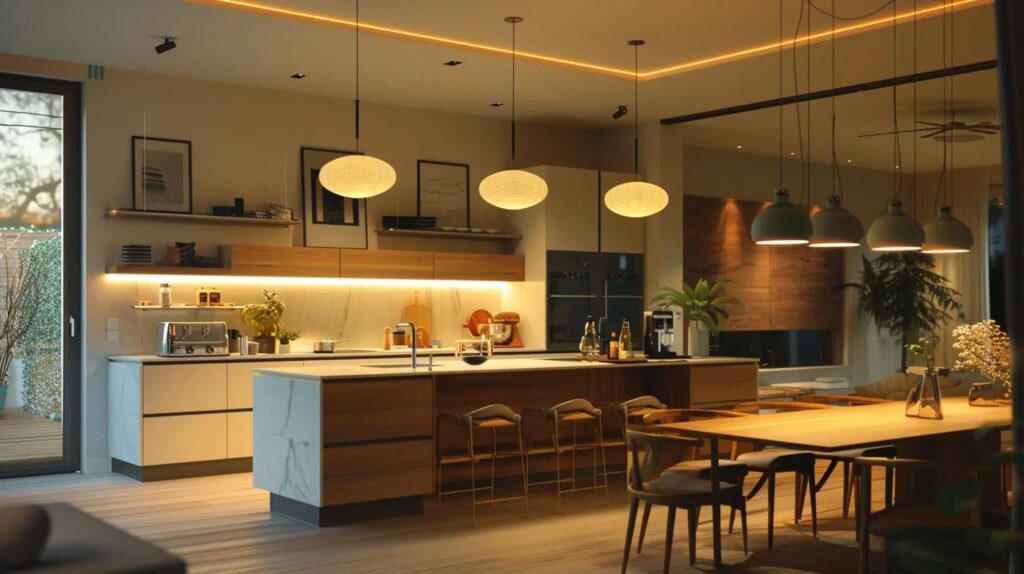
(See above discussion: well-planned economical choices and efficient layouts ensure long-term satisfaction, reduced modifications, and increased home value.)
What Are Expert Tips for Planning Your Kitchen Layout Design?
Experts advise beginning with a clear, strategic plan that outlines the kitchen work triangle and allocates specific zones for every function. Prioritizing ergonomic details and investing in quality materials help create a durable design that balances aesthetics with everyday usability.
How Does the Kitchen Work Triangle Influence Layout Efficiency?
The kitchen work triangle minimizes travel distance between the refrigerator, cooktop, and sink. This classic design principle enhances efficiency and reduces the time and effort spent on everyday kitchen tasks.
What Role Do Interior Designers and Contractors Play in Kitchen Layouts?
Interior designers bring creative vision and aesthetic balance, while contractors ensure that all structural and technical aspects are correctly implemented. Their collaboration integrates smart storage, ergonomic elements, and efficient zoning within a feasible budget.
How Can Interactive Tools Help in Kitchen Layout Planning?
Interactive 3D modeling and virtual reality tools enable homeowners to visualize and adjust potential layouts before renovations begin. These tools help identify workflow issues and fine-tune design details, ensuring the final plan is both efficient and visually appealing.
Table: Comparison of Kitchen Layout Options
Before diving into the FAQ section, consider this table comparing various kitchen layout options and their primary advantages:
| Layout Type | Primary Advantage | Ideal Use Case | Cost Impact |
|---|---|---|---|
| Galley | Efficient work triangle | Narrow spaces with high functionality | Low to moderate |
| L-Shaped | Versatile and open design | Corner installations with integrated storage | Moderate |
| U-Shaped | Encompassing workspace | Larger small kitchens needing abundant counter space | Moderate to high |
| Single-Wall | Minimalistic and space-saving | Open floor plans requiring unobstructed views | Low |
| Peninsula/Island | Multi-functional and social hub | Open concept kitchens aiming for integration | High |
This table offers a quick reference for choosing the best layout based on space, design goals, and budget.
Frequently Asked Questions
Q: How can small kitchen design ideas maximize both space and functionality? A: By employing intelligent layouts and efficient storage solutions, small kitchens enhance the work triangle and reduce clutter.
Q: What modern appliances work best for compact kitchens? A: Appliances like slimline dishwashers, under-counter refrigerators, and induction cooktops are ideal for maintaining a clean, efficient kitchen space.
Q: How do open concept kitchens differ from traditional closed layouts? A: Open concept kitchens integrate cooking, dining, and living areas to boost natural light, social interaction, and a seamless spatial flow.
Q: Why is the kitchen work triangle important in layout design? A: It minimizes movement between key zones—sink, stove, and refrigerator—resulting in improved efficiency and reduced physical strain.
Q: What sustainable materials are recommended for kitchen renovations? A: Materials such as reclaimed wood, recycled glass, low-VOC finishes, and energy-efficient appliances not only enhance aesthetics but promote sustainability.
Final Thoughts
The creative kitchen layout design ideas presented here show that even the smallest spaces can be transformed into efficient, stylish work areas. By incorporating smart storage solutions, modern appliances, and ergonomic planning, homeowners can achieve both functionality and visual appeal. Expert recommendations—such as optimizing the kitchen work triangle and choosing sustainable materials—ensure that renovation projects meet current design standards while adding long-term value. Whether reimagining a compact kitchen or undertaking a full remodel, these ideas help create a space that truly reflects your lifestyle while maximizing every available inch.