

Home Addition Design Options That Transform Your Space
Upgrading a home with additions is a strategic way to expand living areas, update design aesthetics, and improve functionality for modern lifestyles. Home additions enhance property value while meeting evolving family needs, especially when you consult a home addition contractor for expert guidance. Whether creating an extra room, updating your kitchen, or designing versatile outdoor spaces, exploring varied design solutions is key to transforming your home.
Key Takeaways
- Home additions provide extra space and improved functionality while increasing property value.
- Costs depend on materials, labor, permits, and design complexity.
- The design process requires selecting the right architect and contractor.
- Sustainable practices and modern trends create energy-efficient, stylish additions.
- Clear communication and detailed planning are essential for project success.
What Are the Most Popular Types of Home Additions?
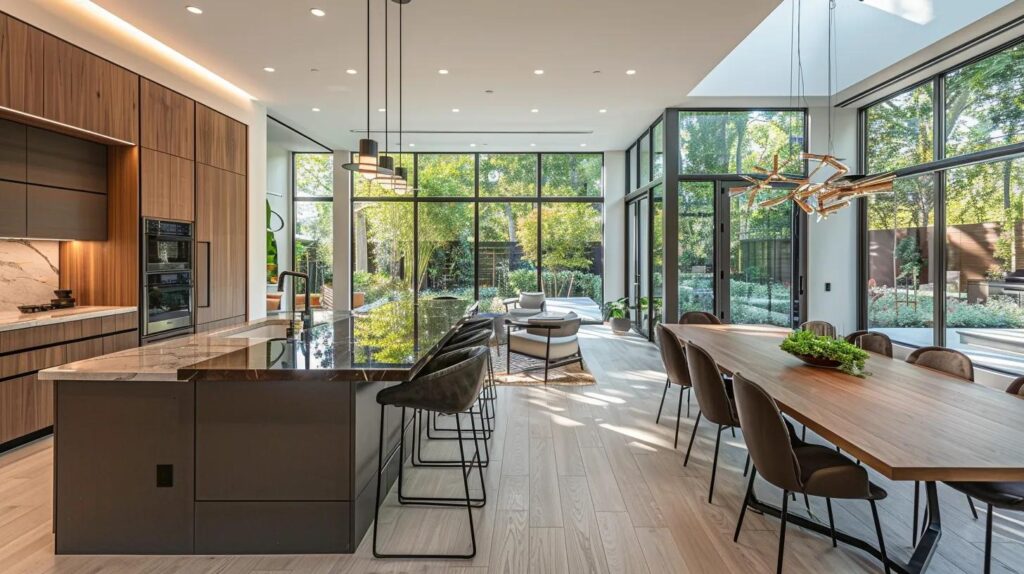
Homeowners typically choose from room additions, kitchen upgrades, bathroom expansions, second-story builds, and outdoor living enhancements. Each type caters to specific needs: extra bedrooms or offices, expanded dining or prep areas in kitchens, upgraded bathrooms for comfort, or outdoor spaces such as patios and sunrooms to extend living areas.
How Do Room Additions Expand Your Living Space?
Room additions boost square footage without a property move. They offer flexibility for guest rooms, family spaces, or offices. Maintaining design continuity—through matching flooring, walls, and ceilings—is crucial to eliminating cramped spaces while integrating new layouts seamlessly.
What Design Ideas Enhance Kitchen Additions?
Kitchen additions can transform a home with open-concept layouts that integrate dining and living areas. Key ideas include custom cabinetry, high-end appliances, functional islands, and features such as high ceilings or large windows that create bright, efficient spaces connected to the overall design.
How Can Bathroom Additions Improve Functionality and Style?
Modern bathroom additions focus on functionality and comfort with fixtures like energy-efficient lighting, heated floors, and rain showers. Effective space planning, proper ventilation, and water usage considerations help transform a bathroom into a spa-like retreat that complements the home’s style.
What Should You Know About Second-Story Additions?
Adding a second story provides extra living space without sacrificing the yard. These projects require structural reinforcements, adherence to building codes, and careful planning to ensure the new space blends with the home’s architectural style and meets functional needs.
How Do Outdoor Living Spaces Transform Your Home?
Outdoor additions—such as patios, decks, or sunrooms—extend the indoor environment. Thoughtful design elements like built-in seating, outdoor kitchens, and energy-efficient lighting create versatile spaces ideal for entertaining or relaxation, enhancing both living quality and property appeal.
How Much Does a Home Addition Cost and What Factors Affect Pricing?
Costs for home additions vary by type, scale, and materials used. Factors influencing pricing include labor, design complexity, permits, and regional building codes. While high-quality materials may increase initial expenses, they often reduce long-term maintenance costs. Obtaining a detailed cost estimate from experienced professionals is essential.
What Are the Typical Costs for Different Types of Additions?
Room additions may range from $15,000 to $50,000, kitchen upgrades between $50,000 and $150,000, bathroom projects from $10,000 to $40,000, and second-story builds can exceed $100,000. Homeowners should secure multiple quotes and cost breakdowns before starting.
How Do Materials and Labor Influence Home Addition Budgets?
Using premium materials like natural stone, energy-efficient windows, and custom cabinetry can raise costs but improve durability and appeal. Labor costs depend on regional demand and contractor expertise, making it important to balance quality with budget constraints.
What Permits and Regulations Impact Home Addition Expenses?
Local building codes and zoning regulations affect timelines and expenses. Obtaining permits and adhering to standards in structural integrity, fire safety, and accessibility is essential to avoid delays and additional costs.
How Can You Finance Your Home Addition Project?
Financing options include personal savings, mortgage refinancing, home equity loans, or lines of credit. Each option has benefits and drawbacks; consulting a financial advisor helps determine the best approach based on individual financial health.
What Is the Home Addition Design and Construction Process?
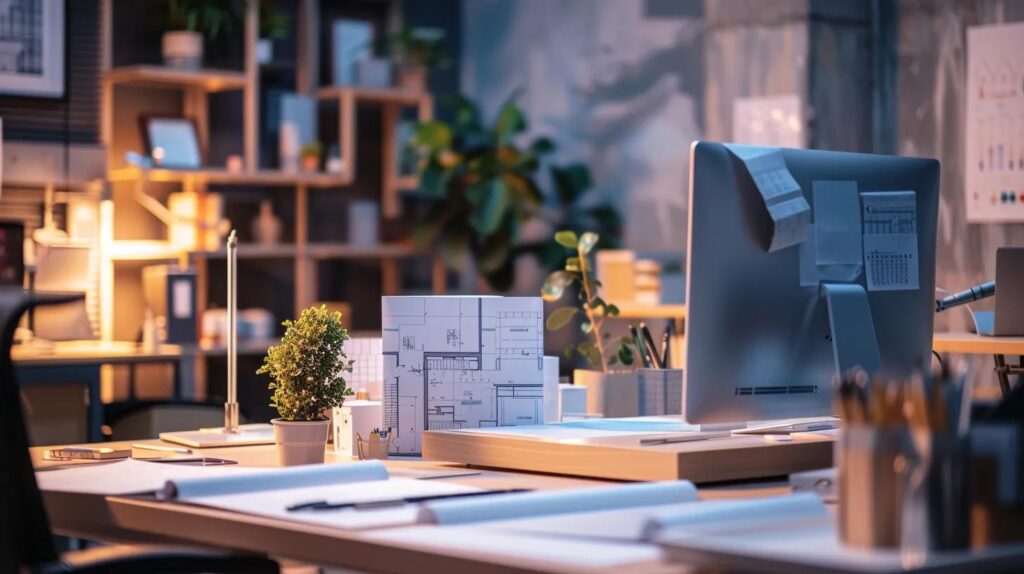
The process begins with collaborating with architects and designers to create a concept that meets aesthetic and functional needs. After finalizing designs, permits are secured and contractors hired. Detailed planning, cost estimation, and regular communication during construction ensure compliance with building codes and a smooth transition from planning to execution.
How Does the Design-Build Approach Streamline Your Project?
The design-build method combines design and construction under one contract, reducing miscommunication and accelerating decision-making. A single point of contact reinforces accountability and helps manage project timelines more efficiently.
What Steps Are Involved in Planning a Home Addition?
Key steps include an initial consultation, creation of detailed blueprints, obtaining permits, hiring contractors, and conducting regular inspections. This step-by-step process minimizes risk and ensures the project remains on track.
How Do You Choose the Right Architect and Contractor?
Review portfolios, check references, and seek recommendations to find professionals experienced in home additions. Ensuring that both architects and contractors are licensed and insured builds a reliable team for efficient project delivery.
What Is a Typical Timeline for Completing a Home Addition?
Timelines typically range from three to nine months. The design and permitting phase may take weeks, followed by a construction period influenced by weather, materials, and unforeseen issues. Clear communication helps maintain the schedule.
How Can Sustainable Practices Enhance Your Home Addition?
Sustainable practices, such as using eco-friendly insulation, recycled materials, and solar-compatible systems, reduce environmental impact and lower operating costs. These methods not only result in long-term savings but also provide a healthier indoor environment.
What Are the Best Sustainable Materials for Home Additions?
Using reclaimed wood, recycled metal, bamboo flooring, and low-VOC paints enhances both durability and aesthetic appeal while minimizing environmental impact. Energy-efficient windows and insulation such as cellulose are also effective.
How Do Energy-Efficient Designs Reduce Costs and Impact?
Implementing smart thermostats, LED lighting, and energy-efficient appliances helps lower utility bills. Optimizing a home’s thermal envelope through advanced insulation and efficient HVAC systems can also qualify for rebates or tax incentives.
What Green Building Practices Should You Consider?
Consider installing solar panels, rainwater harvesting systems, and green roofs. Passive solar design and sustainable landscaping can further boost energy savings and add long-term value to the property.
What Are the Key Design Trends That Transform Home Additions Today?
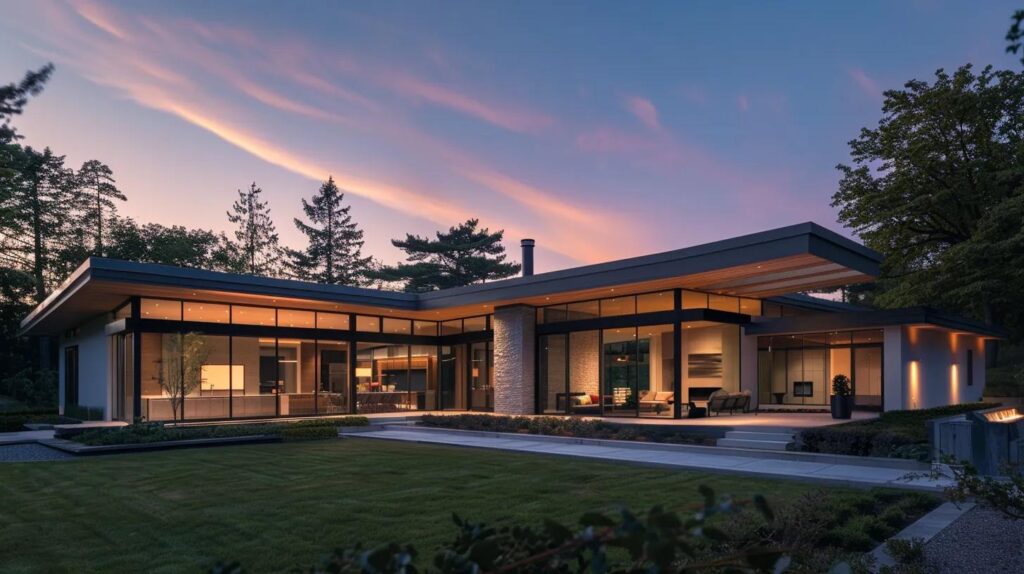
Modern trends emphasize open-concept layouts that blend indoor and outdoor spaces along with minimalist and sustainable designs. Incorporating smart home devices, custom storage, and flexible spaces ensures that additions are both functional and stylish.
How Does Open-Concept Design Improve Added Spaces?
Open-concept layouts create a seamless flow and improve natural light distribution, making spaces feel larger and more inviting. Removing walls increases versatility for various activities and enhances energy efficiency by reducing the need for extra lighting.
What Innovative Features Are Popular in Kitchen and Bathroom Additions?
Smart appliances, touchless fixtures, and custom storage are central to innovative kitchen and bathroom designs. High-tech showers, heated floors, and energy-efficient lighting systems contribute to both convenience and sustainability.
How Are Outdoor Living Spaces Evolving in Home Additions?
Outdoor areas now feature multifunctional designs such as retractable awnings, outdoor kitchens, fire pits, and weather-resistant furniture. These innovations ensure that outdoor spaces remain comfortable and seamlessly integrated with indoor living.
What Role Does Customization Play in Transforming Your Space?
Customization allows homeowners to tailor additions to their specific needs. Options like personalized floor plans, bespoke cabinetry, and smart home integration ensure that each space is uniquely functional and aesthetically pleasing.
What Are Common Questions About Home Additions?
Homeowners frequently ask about permits, project duration, benefits, and maintaining communication during construction. Understanding these factors helps clarify the process and set realistic expectations.
Do You Need a Permit for a Home Addition?
Yes, permits are required to ensure compliance with local building codes and safety standards, preventing costly mistakes.
How Long Does a Home Addition Typically Take?
Projects generally take between three and nine months, depending on complexity and any unforeseen delays.
What Are the Benefits of Adding to Your Home?
Additions increase living space, enhance property value, and allow for customized improvements to suit evolving needs.
How Do You Maintain Clear Communication During Construction?
Regular updates through meetings, progress reports, and a dedicated project manager help keep all stakeholders informed and aligned.
How Can You Showcase and Evaluate Successful Home Addition Designs?
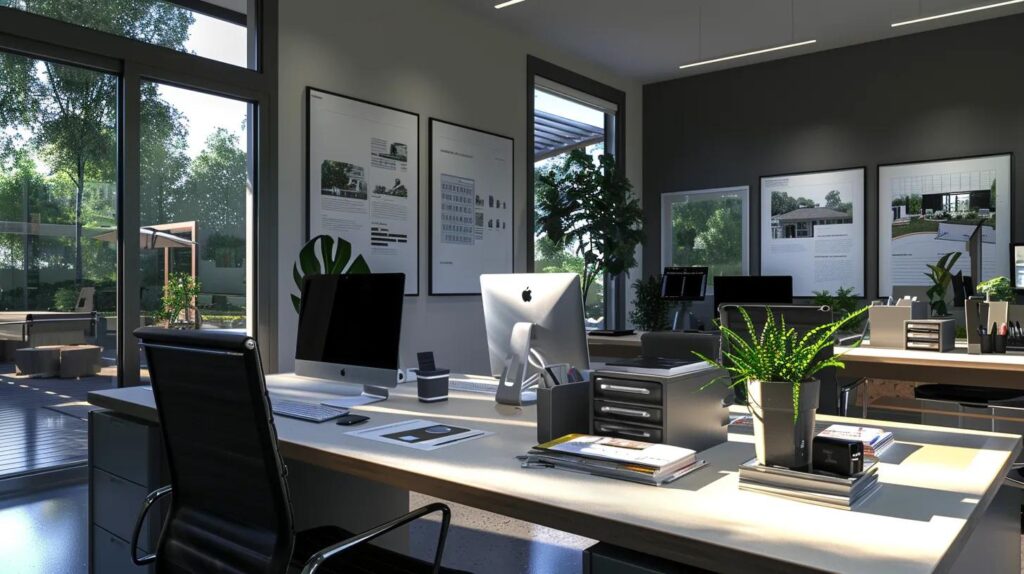
Case studies, professional photographs, detailed floor plans, and 3D renderings help homeowners visualize the final outcome and evaluate design success. Testimonials and past project reviews also provide valuable insights into quality and performance.
What Are Examples of Transformative Room Additions?
Examples include converting an attic into an office, repurposing a basement into a guest room, or adding a sunroom to bridge indoor and outdoor spaces—each creatively utilizing space for enhanced functionality.
How Do Visual Tools Like Floor Plans and 3D Renderings Help?
These tools allow for thorough examination of spatial flow, material finishes, and overall design before construction begins, facilitating better planning.
Where Can You Find Inspiration for Your Home Addition?
Inspiration can be discovered in architectural magazines, online platforms like Houzz, local contractor portfolios, and home renovation expos.
Frequently Asked Questions
Q: How do I determine which type of home addition best suits my needs? A: Consider your lifestyle, budget, and space requirements. Consulting professionals can help determine the most functional option.
Q: What are the most energy-efficient home addition options available? A: Options include sustainable materials, improved insulation, and smart home systems that lower utility costs and environmental impact.
Q: Can I incorporate modern technology into my home addition design? A: Yes, many additions now feature smart appliances, automated lighting, and integrated security systems.
Q: What steps should I take before starting a home addition project? A: Begin with a design consultation, secure necessary permits, and obtain detailed cost estimates while maintaining open communication with professionals.
Q: Is it possible to finance a home addition through home equity loans? A: Yes, home equity loans and lines of credit offer reasonable interest rates and manageable repayment plans.
Final Thoughts
Home additions provide a dynamic solution to enhance living spaces and boost property value. With careful planning, smart design, and sustainable practices, an addition can transform both functionality and aesthetics. Whether expanding a room, upgrading a kitchen, or creating inviting outdoor spaces, working with experienced professionals ensures that your home reflects your vision and meets evolving needs.