
Introduction
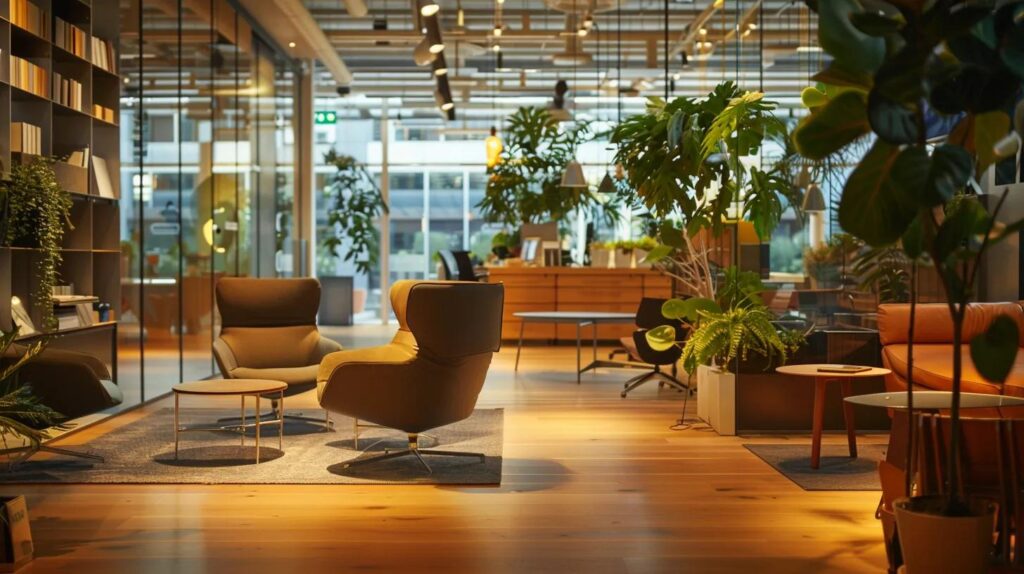
In today’s evolving built environment, sustainable building materials have become essential in office renovations and new constructions. This article highlights how eco-friendly solutions improve environmental performance, indoor air quality, and employee well-being. By using materials such as bamboo, reclaimed wood, recycled rubber, and low-VOC finishes, offices can reduce their carbon footprint while enhancing energy efficiency. The article discusses sustainable flooring, wall coverings, lighting, acoustics, furniture, and project management, serving as a guide for decision-makers seeking healthier, more productive workspaces.
Key Takeaways
- Sustainable materials significantly reduce carbon footprints and boost energy efficiency.
- Eco-friendly flooring, wall coverings, and furniture improve indoor air quality.
- Expert consultation and effective project management overcome sustainability challenges.
- Reduced operating costs and improved performance make green office design a smart investment.
What Are Sustainable Building Materials for Offices and Why Do They Matter?
Sustainable building materials are products made from renewable, recycled, or reclaimed resources designed to minimize environmental impact and support a circular economy. They lower greenhouse gas emissions, reduce energy consumption, and decrease landfill waste. Materials such as natural insulation (sheep’s wool, hempcrete) and engineered products like recycled steel and precast concrete not only contribute to climate resilience but also create healthier indoor environments. Verified by environmental certifications, these materials often have longer lifecycles and lower maintenance costs.
Which Materials Qualify as Sustainable for Office Construction?
Typical sustainable materials include renewable resources such as bamboo, reclaimed wood, and cork, along with recycled products like rubber flooring and reclaimed steel composites. Certifications like LEED and BREEAM guide the selection of materials that maintain low embodied energy and reduce the need for virgin raw materials.
How Do Sustainable Materials Reduce Environmental Impact in Offices?
By employing innovative production techniques and lifecycle management, sustainable materials lower carbon emissions. For instance, using recycled steel consumes less energy than producing new steel, while materials such as cellulose or wool insulation reduce reliance on synthetic products. These practices support waste reduction and promote reuse within the construction industry.
What Role Do Sustainable Materials Play in Improving Indoor Air Quality?
Low-VOC, non-toxic sustainable materials, such as reclaimed wood and bamboo, help improve indoor air quality by reducing emissions of harmful chemicals. Low-emission paints, adhesives, and sealants further minimize airborne contaminants, fostering healthier office environments.
Which Sustainable Flooring Options Best Transform Office Spaces?
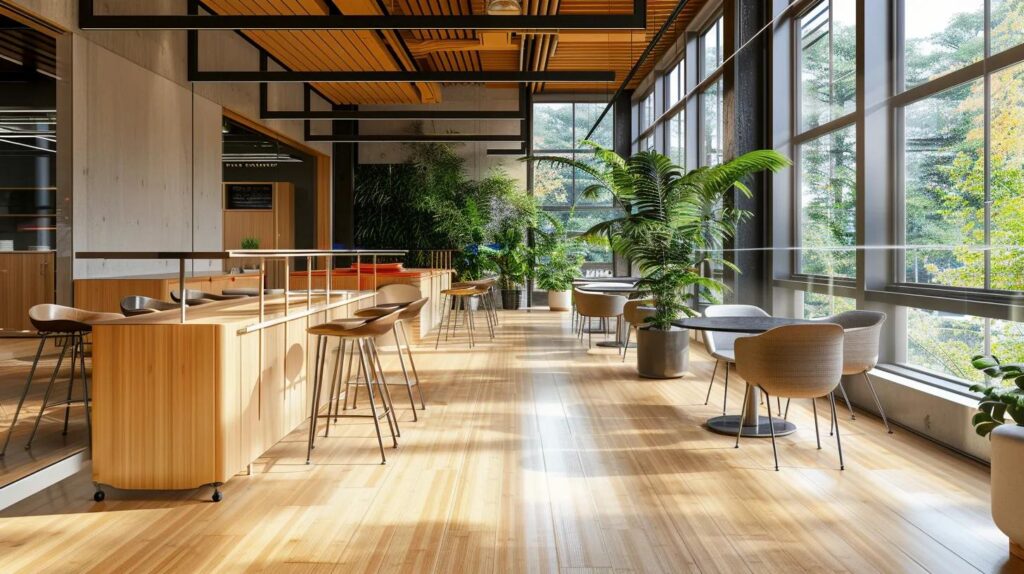
Sustainable flooring plays a critical role in reducing an office’s material footprint and energy use. Eco-friendly flooring options not only create visually pleasing spaces but also reduce production emissions, enhance recyclability, and may provide thermal benefits that lower heating and cooling costs.
What Are the Benefits of Bamboo and Reclaimed Wood Flooring?
Bamboo flooring is valued for its rapid renewability, while reclaimed wood repurposes materials from older structures, reducing deforestation and landfill waste. Both options provide durability, require less maintenance, and offer acoustical benefits that enhance the office atmosphere.
How Do Linoleum and Recycled Rubber Flooring Support Sustainability?
Linoleum, made from natural polymers like linseed oil and cork dust, is biodegradable and long-lasting. Recycled rubber flooring repurposes used tires and scraps, lowering environmental waste while delivering floor resilience, slip resistance, and acoustic damping.
How Does Sustainable Flooring Impact Office Aesthetics and Durability?
Natural textures and rich tones from sustainable flooring foster a connection to nature and withstand heavy use. Their durability leads to reduced replacement costs, reinforcing the long-term economic benefits of sustainable office design.
How Can Eco-Friendly Wall Coverings Enhance Office Sustainability?
Eco-friendly wall coverings combine aesthetics with improved energy efficiency and indoor air quality. Derived from plant-based or recycled materials and low in chemical emissions, they support environmental goals while enhancing occupant comfort and reducing health risks associated with pollutants.
What Are Low-Voc Paints and Their Benefits for Office Environments?
Low-VOC paints reduce harmful emissions during and after application, improving air quality in busy offices. These finishes retain vibrant colors and durability without compromising health, making them ideal for high-traffic environments.
How Do Recycled Material Panels and Wallpapers Contribute to Sustainability?
Panels and wallpapers produced from post-consumer waste and reclaimed fibers lower the demand for new resources. Their unique textures and modern designs offer creative interior solutions while reinforcing a company’s commitment to environmental responsibility.
Which Design Trends Integrate Sustainable Wall Coverings in Modern Offices?
Trends include using reclaimed wood panels, geometric patterns from recycled metals, and organic textures that mimic natural stone. These choices enhance aesthetics and promote a sustainable and healthy workplace culture.
What Sustainable Solutions Improve Office Acoustics and Lighting?
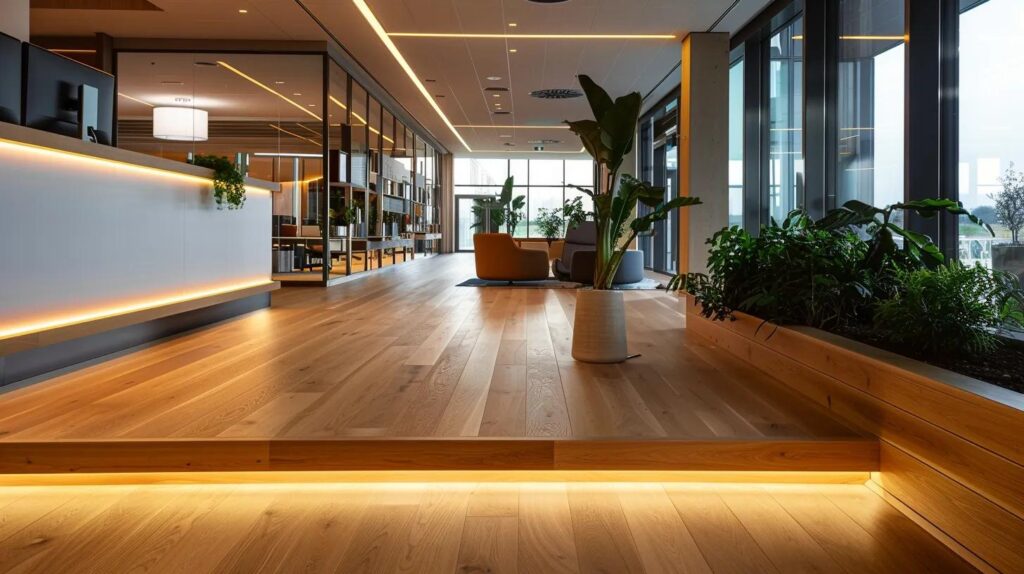
Innovative solutions in acoustics and lighting create comfortable and energy-efficient workspaces. From recycled acoustic panels to smart LED systems, these technologies reduce noise, conserve energy, and improve overall employee well-being.
How Do Sound-Dampening Panels Made From Recycled Materials Work?
Panels made from recycled fibers absorb ambient noise and dampen sound reflections, resulting in quieter environments that facilitate concentration and reduce stress. They also contribute to thermal regulation within the workspace.
What Are the Advantages of Energy-Efficient LED and Smart Lighting Systems?
Energy-efficient LED lighting reduces electricity consumption and heat emissions, while smart systems use sensors to adjust brightness based on occupancy and ambient light. These features lower energy costs and enhance employee productivity by reducing eye strain.
How Do Lighting and Acoustics Together Enhance Employee Well-Being?
A balanced combination of quality lighting and effective acoustics supports circadian rhythms and minimizes distractions. This synergy helps reduce stress, improve mood, and boost overall productivity while contributing to lower operational costs.
Why Choose Sustainable Office Furniture and How Does It Impact Workspaces?
Sustainable office furniture, made from renewable and recycled materials, offers ergonomic benefits and aesthetic value. It minimizes environmental impact from production and disposal while promoting better work practices. This type of furniture can lead to significant cost savings due to its durability and reduced maintenance needs.
What Materials Are Used in Sustainable Office Furniture?
Common materials include bamboo, reclaimed wood, natural fibers, recycled metal, and plastics. Responsible sourcing, verified by certifications such as FSC, ensures these materials have a low environmental impact and high durability.
How Does Sustainable Furniture Improve Ergonomics and Employee Health?
Designed with ergonomics in mind, sustainable furniture provides features like adjustable seating, lumbar support, and breathable materials, which help prevent musculoskeletal issues and enhance overall comfort and health.
What Cost Benefits Come From Investing in Sustainable Office Furniture?
Long-term benefits include lower maintenance, extended product life, and reduced replacement frequency. Improved employee health and productivity also contribute to lower absenteeism and better operational efficiency.
How Does Expert Consultation and Project Management Ensure Sustainable Office Transformations?
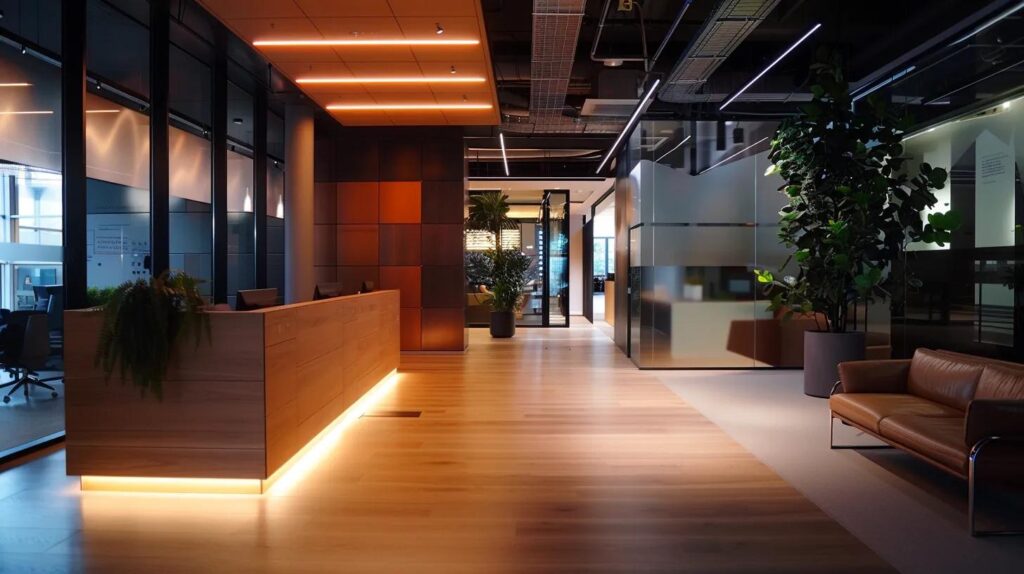
Expert guidance in material selection and design, combined with skilled project management, is key to successful sustainable office transformations. Professionals ensure that every stage— from planning to execution—adheres to sustainability goals and regulatory standards.
What Guidance Do Consultants Provide for Selecting Sustainable Materials?
Consultants evaluate materials on criteria such as embodied energy, recyclability, and durability using certifications and lifecycle analysis. Their expertise helps organizations choose products that align with both design requirements and sustainability objectives.
How Does Project Management Support Sustainability Goals During Office Renovations?
Effective project management coordinates procurement, construction practices, and supplier interactions to minimize disruptions and optimize resource use, ensuring that sustainability targets are met throughout the renovation process.
What Are Common Challenges in Sustainable Office Projects and How Are They Overcome?
Challenges such as budget constraints, limited material availability, and integration with existing infrastructure are managed through innovative design solutions and strong supplier partnerships, ensuring that sustainability and functionality are maintained.
What Are the Environmental and Economic Benefits of Sustainable Office Spaces?
Sustainable office spaces deliver environmental benefits like reduced carbon footprints and lower greenhouse gas emissions, along with economic advantages from energy savings and fewer maintenance costs. These improvements lead to increased employee productivity and lower long-term operating expenses.
How Do Sustainable Materials Reduce Carbon Footprints in Office Buildings?
Materials like reclaimed wood, recycled steel, and low-VOC composites require less energy to produce and generate fewer emissions. This reduction in embodied carbon helps mitigate climate change and supports a greener building environment.
What Energy Savings Result From Sustainable Building Materials and Systems?
Modern sustainable installations can achieve significant energy reductions, sometimes up to 30%, through energy-efficient insulation, smart lighting, and advanced HVAC systems. These innovations lower utility bills and lessen the overall environmental impact.
How Do Sustainable Offices Promote Employee Productivity and Well-Being?
Improved indoor air quality, natural lighting, and ergonomic environments contribute to reduced stress and better health, fostering creativity and concentration among employees. The overall result is a more engaged and efficient workforce.
Frequently Asked Questions
Q: How can sustainable materials reduce overall office renovation costs? A: They lower energy consumption, reduce maintenance, and offer greater durability, all of which decrease the need for frequent replacements.
Q: What certifications should offices look for when choosing eco-friendly materials? A: Certifications such as LEED, BREEAM, and FSC are key indicators that materials meet high environmental and sustainability standards.
Q: Do sustainable office designs actually improve employee health? A: Yes, improvements in air quality, lighting, and ergonomics contribute to better health and higher productivity.
Q: How do energy-efficient systems lower the carbon footprint of offices? A: By optimizing electricity usage with smart controls and efficient components, these systems reduce greenhouse gas emissions.
Q: What role do consultants play in sustainable office transformations? A: They offer expertise in material selection, sustainable design, and project management to ensure that sustainability targets are met.
Final Thoughts
Sustainable building materials are reshaping office spaces by reducing environmental impact and enhancing employee well-being. The strategic integration of eco-friendly flooring, wall coverings, lighting, acoustics, and furniture leads to significant energy savings and healthier workplaces. With expert consultation and effective project management, sustainable office transformations provide measurable economic and environmental benefits, making them a smart investment for a resilient future.