
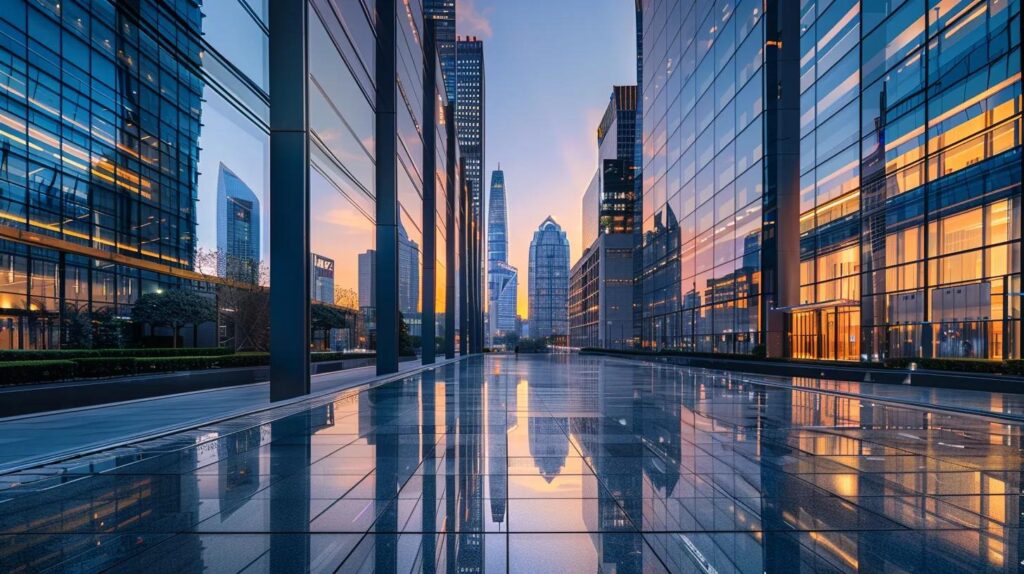
Popular Materials Transforming Outdoor Facades Today
Outdoor facades are evolving with materials that merge aesthetics, durability, and energy efficiency. Building owners seek options that enhance visual appeal and building performance with exterior remodeling strategies. This article reviews popular exterior materials—including wood, metal, composites, stone, glass, and ceramics—and explains how sustainable choices optimize energy efficiency and durability.
Key Takeaways
- Facade materials must balance durability, energy efficiency, and design.
- Wood, metal, composites, stone, and ceramics each offer unique benefits.
- Sustainable design and lifecycle analysis are key for material selection.
- Proper installation, maintenance, and cost are critical for long-term performance.
- Emerging trends and innovations continually reshape facade choices.
What Are the Most Popular Materials Used for Outdoor Facades Today?
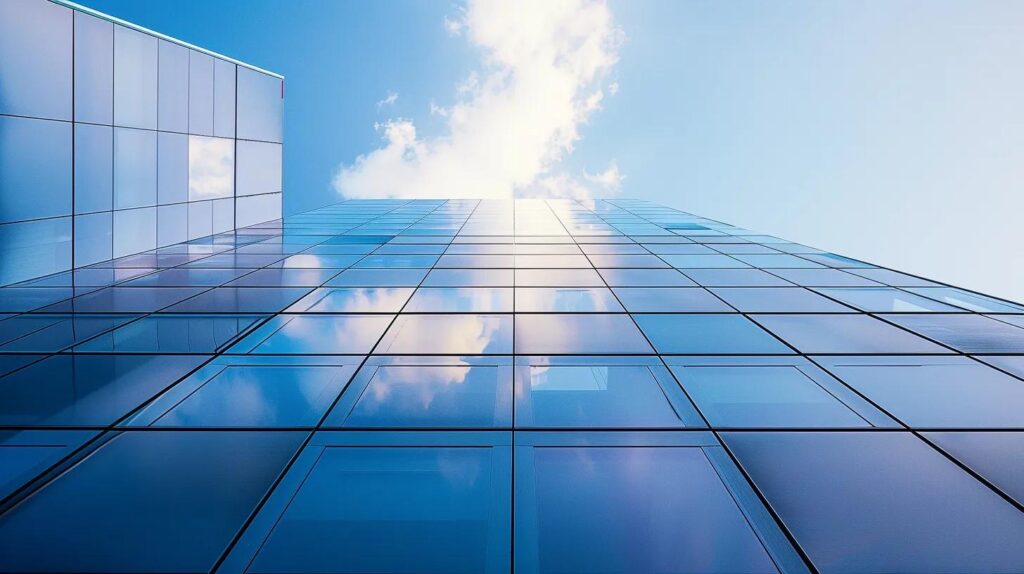
Popular materials include wood, metal, composite materials, stone, glass, and ceramic tiles. They are chosen for their durability, energy efficiency, ease of installation, and visual appeal. Architects and builders favor options that support sustainability and reduce energy consumption.
Which Types of Wood Are Best for Facade Applications?
Wood facades offer natural warmth and sustainability. Cedar, redwood, and reclaimed wood are preferred for their resistance to decay and insects. Their natural oils and distinctive textures not only protect the building but also enhance its aesthetic appeal.
What Are the Key Benefits of Metal Facades Like Aluminum and Steel?
Metal facades, including aluminum and steel, are valued for their durability and low maintenance. They are lightweight, weather-resistant, and provide good thermal performance. Coated aluminum improves energy efficiency, while steel adds structural integrity suitable for high-rise buildings.
How Do Composite Materials Enhance Facade Performance?
Composite materials such as fiber cement siding and wood-plastic composites (WPC) combine benefits of several raw materials. Designed for moisture resistance and low upkeep, composites offer design flexibility while mimicking natural materials and resisting wear.
Why Are Stone and Glass Increasingly Chosen for Modern Facades?
Stone and glass facades add timeless, modern appeal. Natural stone provides durability and a classic look while manufactured veneers offer cost-effective alternatives. Glass systems, like curtain walls with insulated glass units (IGUs), maximize natural light and improve energy efficiency.
What Role Do Ceramic and Porcelain Tiles Play in Facade Design?
Ceramic and porcelain tiles are popular for their versatility and durability. Large format tiles create a seamless look, reduce thermal bridging, and offer efficient insulation. Their weather-resistant properties allow them to withstand extreme temperature changes while enhancing a building’s modern appearance.
How Do Wood Facades Transform Outdoor Building Exteriors?
Wood facades infuse natural elements into modern design. They add warmth, texture, and environmental benefits to building exteriors. Various wood types and configurations allow customizable looks that improve both aesthetics and energy performance.
What Are the Characteristics of Cedar, Redwood, and Reclaimed Wood Facades?
Cedar and redwood naturally resist decay and insects, while reclaimed wood brings unique character and an eco-friendly story. These woods provide thermal insulation, reduce energy loss, and contribute distinct visual textures that enhance a building’s style.
How Is Wood-Plastic Composite (WPC) Used in Facade Cladding?
WPC combines wood fibers with plastic resins to create a durable, low-maintenance cladding option. Resistant to rot and moisture, WPC replicates the look of natural wood while offering extended lifespan and consistent performance, especially in challenging climates.
What Are the Installation Steps for Wood Facades?
Key installation steps include: 1. Structural preparation with waterproofing and insulation. 2. Proper mounting and alignment to allow ventilation. 3. Sealing and finishing to protect against moisture and temperature changes. 4. Final quality checks to ensure durability and aesthetics.
How Should Wood Facades Be Maintained for Longevity?
Maintaining wood facades involves periodic cleaning, re-staining, and re-sealing to prevent decay. Regular inspections for rot or insect damage help preserve both the appearance and structural integrity over time.
What Are the Sustainability Benefits of Using Wood in Facades?
Wood is renewable and has a lower carbon footprint compared to many materials. Responsible harvesting and the potential for recycling add to its sustainability, while natural insulation properties help regulate building temperatures and reduce energy consumption.
Why Are Metal Facades Gaining Popularity in Outdoor Architecture?
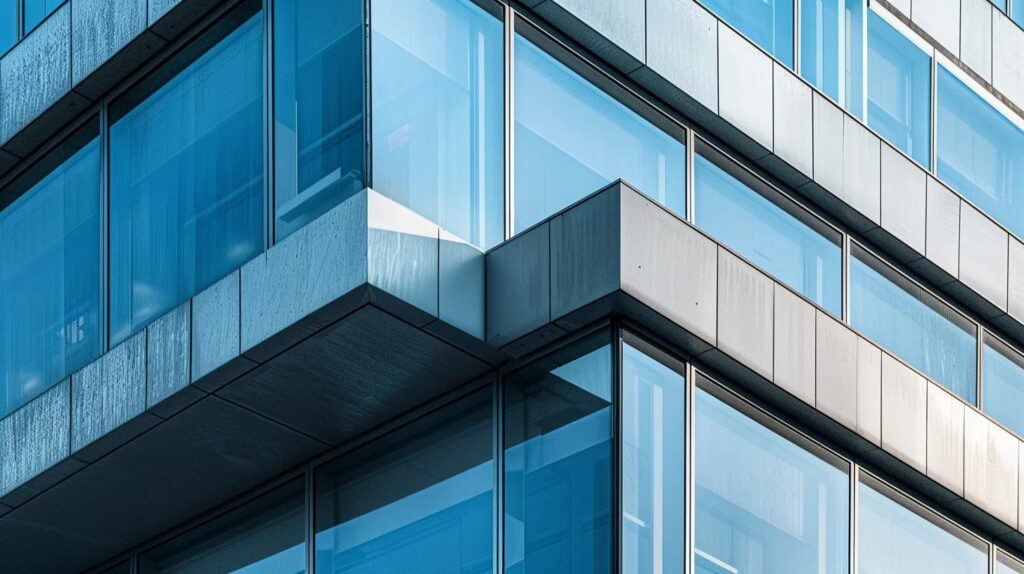
Metal facades are increasingly favored for their sleek design and performance. Their durability and energy efficiency, combined with minimal maintenance needs, make them ideal for modern architectural applications.
What Are the Differences Between Aluminum, Steel, and Zinc Facades?
Aluminum is lightweight and corrosion-resistant. Steel offers strength and an industrial look, while zinc provides a natural patina with self-healing properties. Each metal’s unique traits inform design and installation methods to ensure a high-end finish.
How Do Metal Facades Contribute to Energy Efficiency and Durability?
Reflective metal surfaces reduce heat absorption, lowering cooling costs, while advanced coatings offer enhanced insulation. Their robust construction minimizes repairs, making them effective for energy-efficient, long-lasting construction.
What Are the Cost Considerations for Metal Cladding Installation?
Although metal cladding may require higher upfront investment, long-term savings occur through reduced maintenance and enhanced durability. Careful cost analysis considers both initial expenses and extended lifespan benefits.
How Is Metal Facade Installation Performed?
Installation involves precision cutting, alignment, and secure mounting. Preparing a substructure with insulation layers, using specialized fasteners, and ensuring weatherproof seals are essential to withstand wind and water exposure.
What Design Trends Influence Metal Facade Usage Today?
Modern trends favor minimalist aesthetics, clean lines, and reflective surfaces. Metal facades are often paired with glass and natural elements, with emerging textile-like finishes and perforations adding both style and practical benefits like improved ventilation.
How Do Composite Materials Revolutionize Facade Design and Sustainability?
Composites are transforming façade design by offering a sustainable, versatile alternative to traditional materials. They provide durability, minimal upkeep, and a reduced environmental footprint while meeting strict performance standards.
What Are the Advantages of Fiber Cement Siding for Facades?
Fiber cement siding resists fire, moisture, and termites. Its mix of cement, sand, and fibers allows varied textures and finishes, while offering excellent thermal insulation and weather resistance.
How Does Wood-Plastic Composite (WPC) Compare to Traditional Wood?
WPC mimics the natural appearance of wood but includes enhanced durability and moisture resistance. It eliminates frequent maintenance needs like staining, reducing long-term costs while ensuring consistent performance.
What Are the Best Practices for Installing Composite Facades?
Effective installation requires thorough substrate preparation, accurate measurements, and secure fixing. Installing a vapor barrier and insulation behind panels and using corrosion-resistant fasteners ensure longevity and prevent issues like thermal bridging.
How Do Composite Facades Support Sustainable Building Certifications?
Their longevity, low maintenance, and energy efficiency help composite materials earn green building certifications such as LEED and BREEAM. Reduced carbon footprints and lower energy use bolster their eligibility for sustainability credits.
What Are the Maintenance Requirements for Composite Facades?
Composite facades need minimal upkeep, usually limited to regular cleaning and periodic inspections to address minor issues promptly. Their inherent resistance to weathering reduces long-term maintenance efforts compared to traditional materials.
What Are the Key Features of Stone and Glass Facades in Modern Architecture?
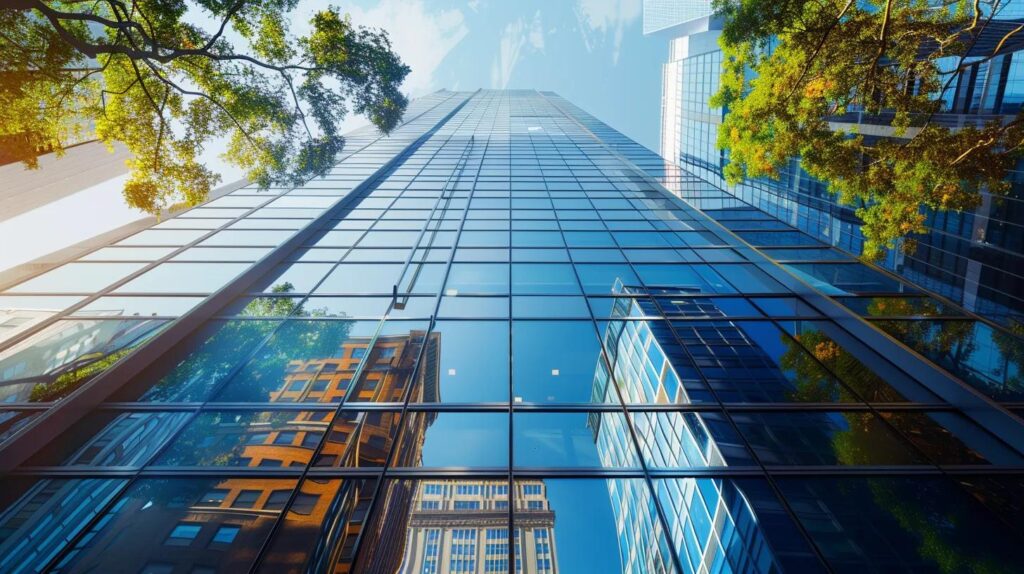
Stone and glass facades combine durability with high aesthetic value. They enhance building insulation and merge traditional elements with modern technologies, resulting in a timeless yet contemporary exterior.
How Do Natural Stone and Manufactured Stone Veneer Differ for Facades?
Natural stone offers unrivaled durability and distinct visual character, while manufactured veneers provide a similar aesthetic at a lower weight and cost, simplifying installation and maintenance.
What Are the Benefits of Curtain Wall Systems and Insulated Glass Units (IGUs)?
Curtain wall systems with IGUs improve energy efficiency by reducing heat loss and solar gain. Multiple glass layers with insulating fillings enhance thermal performance while maximizing natural light.
How Do Stone and Glass Facades Enhance Building Aesthetics and Energy Efficiency?
Combining stone’s robust texture with glass’s sleek transparency creates a dynamic facade that improves energy performance through strategic thermal breaks and advanced glazing techniques.
What Are the Installation and Maintenance Considerations for Stone and Glass Facades?
Specialized installation techniques, such as precise anchoring and weatherproofing, are vital. Regular cleaning, sealant inspections, and occasional re-sealing maintain their performance and appearance over time.
How Do Costs Vary Between Stone and Glass Facade Options?
Natural stone typically incurs higher material and installation costs, while glass systems depend on custom fabrication. Comparative analyses help balance initial investment against long-term benefits and performance.
How Are Ceramic and Porcelain Materials Used to Transform Outdoor Facades?
Ceramic and porcelain materials offer a modern, durable finish for facades. Their ability to replicate different textures and withstand harsh weather makes them a top choice for energy-efficient, stylish exteriors.
What Are the Benefits of Large Format Tile Cladding for Facades?
Large format tiles create a seamless, minimalist look with fewer grout lines and improved insulation. Engineered for moisture and thermal resistance, they contribute to long-term durability.
How Do Ceramic Facades Contribute to Durability and Design Flexibility?
Ceramic facades resist weathering, abrasion, and UV radiation, while offering a broad palette of colors and textures. Their uniform production ensures consistent performance, enhancing both durability and visual design.
What Is the Installation Process for Ceramic and Porcelain Facades?
Installation begins with substrate preparation and a waterproof membrane. High-quality adhesives secure the tiles, followed by grouting, proper alignment, and curing—all essential for creating a durable facade.
How Do Ceramic Facades Support Sustainable and Energy-Efficient Design?
Low thermal conductivity, recyclability, and reflective properties make ceramic materials energy-efficient and eco-friendly. Their long lifespan and minimal maintenance also support sustainable building practices.
How Does Sustainable Facade Design Influence Material Selection and Building Performance?
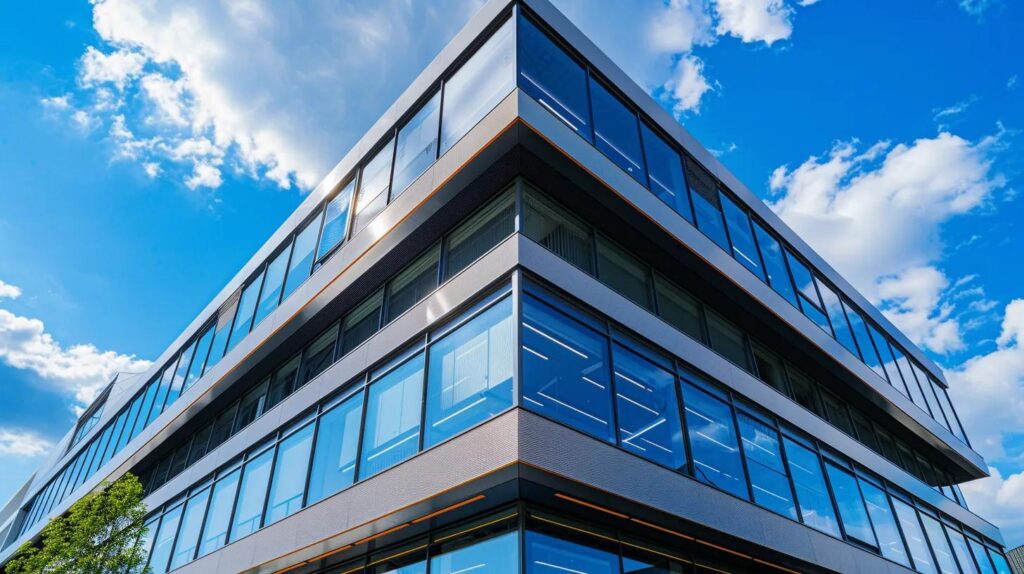
Sustainable facade design focuses on materials that deliver energy efficiency and reduced environmental impact. Selecting durable options with low lifecycle costs enhances indoor air quality and building performance over time.
What Are the Leading Sustainable Materials for Outdoor Facades?
Materials such as responsibly sourced wood, recycled metal, advanced composites, and low embodied energy stone are favored for their durability, energy performance, and reduced ecological footprint. These choices support green building certifications and conservation strategies.
How Do Green Building Certifications Affect Facade Material Choices?
Certifications like LEED and BREEAM require low VOC emissions, recyclability, and superior insulation. Such standards guide builders to choose materials that excel in durability and energy efficiency while promoting environmental stewardship.
What Are the Energy Efficiency Principles in Facade Design?
Effective designs use thermal insulation, low-emissivity coatings, and optimized window-to-wall ratios to minimize heat transfer. Incorporating renewable systems, such as solar panels, further enhances a building’s energy performance.
How Does Material Sourcing and Lifecycle Analysis Impact Sustainability?
Using locally sourced, renewable materials reduces transportation emissions and supports local economies. Lifecycle analysis ensures that high-durability, recyclable materials lower a building’s long-term carbon footprint.
What Water Management Strategies Are Used in Sustainable Facades?
Integrating rainwater harvesting, permeable cladding, and efficient drainage systems minimizes runoff and protects the facade from moisture damage. These strategies help maintain insulation and extend material longevity.
What Are the Latest Trends Shaping Outdoor Facade Materials and Designs?
Current trends merge minimalist design with sustainable materials and advanced technology. Innovations focus on durability, cost-effectiveness, and eco-friendly practices while maintaining a modern visual appeal.
How Is Modern and Minimalist Design Influencing Facade Material Use?
Clean lines and simplicity drive the selection of materials like metal cladding, large format tiles, and glass curtain walls. Neutral colors and streamlined designs enhance the modern aesthetic.
What Role Does Biophilic Design Play in Facade Material Selection?
Biophilic design brings natural elements—such as reclaimed wood, natural stone, and living green walls—into the facade. This approach not only improves visual appeal but also promotes occupant well-being.
How Are Technological Innovations Integrated Into Facade Systems?
Innovative systems use smart coatings, energy-harvesting materials, and dynamic shading to regulate light, heat, and airflow automatically. Integrated LED lighting and responsive glazing add both functionality and style.
What Are the Emerging Composite and Bio-Based Materials Transforming Facades?
New composites combining bio-based polymers with recycled fibers offer improved durability and lower environmental impact. These materials allow customized solutions that meet modern standards while reducing waste.
How Do Cost-Effectiveness and Durability Drive Material Choices?
Materials that offer long-term energy savings and require less maintenance are increasingly popular. Although some options may have higher upfront costs, their lifecycle benefits ensure a balanced investment in performance and aesthetics.
Frequently Asked Questions
Q: What factors should be considered when choosing facade materials? A: Consider durability, energy efficiency, environmental impact, aesthetic compatibility, and maintenance requirements.
Q: How do sustainable facades contribute to energy savings? A: They use advanced insulation, low-emissivity coatings, and optimized designs to reduce heat transfer and lower energy consumption.
Q: Are metal facades a cost-effective option for high-rise buildings? A: Yes, their long-term durability and low maintenance can offset higher initial costs through energy efficiency and structural resilience.
Q: What maintenance is required for composite facade systems? A: Typically, composite facades need only periodic cleaning, inspections, and minor touch-ups to stay in optimal condition.
Q: Can facade materials influence a building’s green certification? A: Absolutely—materials that meet strict energy, durability, and environmental standards greatly enhance green certification prospects.
Final Thoughts
Outdoor facades are vital to modern architecture, merging aesthetic appeal with energy efficiency and durability. This exploration of wood, metal, composites, stone, glass, ceramics, and sustainable designs demonstrates that each material offers unique benefits. As trends evolve, the integration of advanced technologies with natural finishes is paving the way for innovative, eco-friendly designs. Building owners and architects are encouraged to select materials that deliver optimal performance and striking visual impact.