
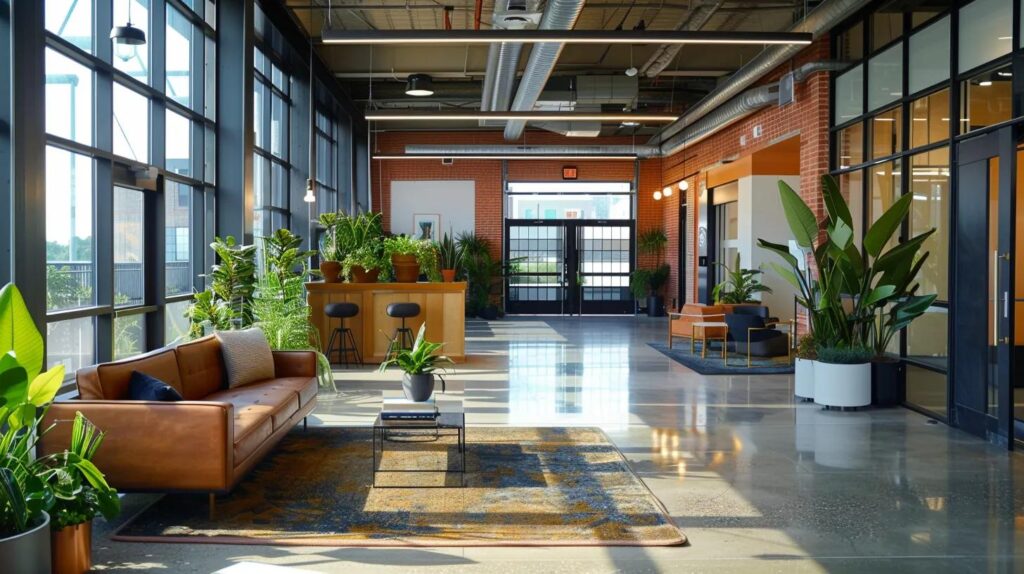
Eco-Friendly Office Renovation Options That Transform Workspaces
Office renovations are undergoing a transformative shift as companies embrace sustainability to reduce environmental impact and enhance employee well-being. Businesses are rethinking designs, materials, and technologies to create office spaces that cut costs, improve productivity, and boost brand reputation. This article explores eco-friendly renovation options—from sustainable materials and energy efficiency upgrades to improved indoor air quality and smart planning, often guided by an office renovation contractor—helping organizations create greener offices that foster a healthier environment and promote resource efficiency.
Key Takeaways
- Sustainable materials like recycled metals, reclaimed wood, and low-VOC finishes reduce waste and improve indoor air quality.
- Upgraded lighting, smart HVAC systems, and automated building technologies cut energy consumption and lower operating costs.
- Eco-friendly renovations offer long-term savings, enhance brand image, and boost employee morale and productivity.
- Comprehensive planning and collaboration with specialized contractors are essential to execute sustainable office renovations.
- Trends including biophilic design, modular construction, and renewable energy integration are reshaping modern workspaces.
What Are the Best Sustainable Materials for Eco-Friendly Office Renovations?
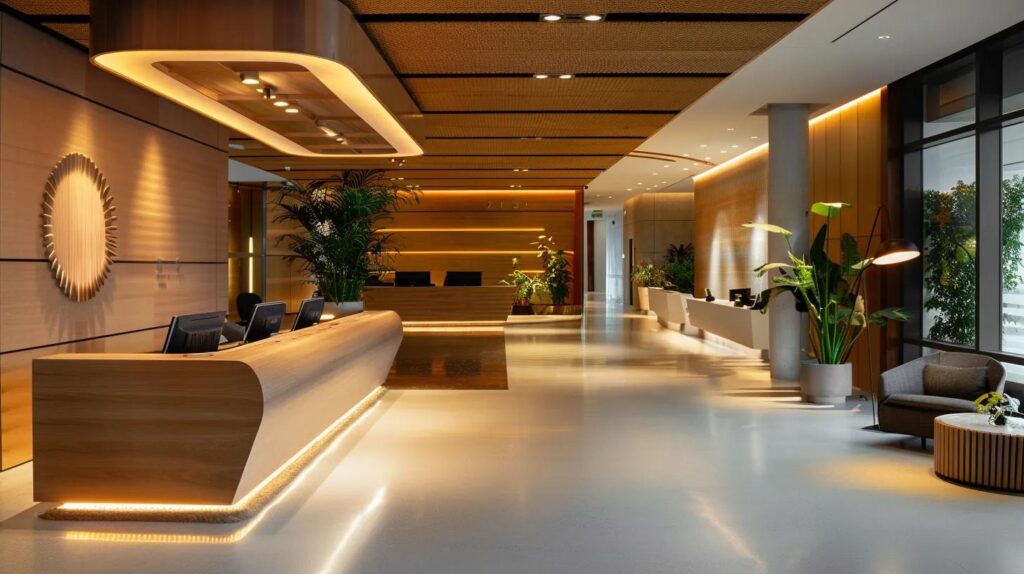
Sustainable materials reduce environmental impact and enhance office aesthetics, durability, and functionality. Many businesses now choose recycled, reclaimed, or renewable resources that lower construction waste and energy consumption.
Which Recycled and Reclaimed Materials Improve Office Sustainability?
Recycled metals, reclaimed wood, and recycled glass not only cut waste but also provide thermal benefits and unique design appeal. Using these materials minimizes energy usage in production and reduces reliance on virgin resources.
How Do Low-Voc Paints and Finishes Enhance Indoor Air Quality?
Low-VOC paints and finishes emit fewer harmful chemicals than traditional options, ensuring cleaner air. Offices with low-VOC coatings report enhanced cognitive function and fewer health complaints like headaches or respiratory issues.
What Are the Benefits of Bamboo and Other Renewable Flooring Options?
Flooring made from bamboo, cork, or linoleum offers durability, natural beauty, and sound insulation benefits. These renewable flooring options also help reduce the carbon footprint due to their sustainable sourcing and lower off-gassing of pollutants.
How Can Energy Efficiency Upgrades Transform Your Office Workspace?
Energy efficiency is key to lowering utility bills and greenhouse gas emissions. Modern offices are adopting smart technologies that monitor energy use, ensuring a comfortable yet cost-effective work environment.
What Are the Top Energy-Efficient Lighting Solutions for Offices?
LED lighting systems and smart lighting controls, including occupancy sensors and daylight harvesting, substantially reduce energy consumption. Upgrading to LED bulbs can lower energy use by over 70%, offering significant cost savings over time.
How Do Smart HVAC Systems Reduce Energy Consumption?
Smart HVAC systems adjust heating and cooling based on real-time occupancy and conditions. These systems, paired with routine maintenance and automation, can lower energy expenses by up to 30% while ensuring consistent indoor comfort.
Which Smart Building Technologies Optimize Workspace Sustainability?
Innovative building technologies—such as automated window blinds, real-time energy monitoring, and integrated security systems—improve operational efficiency. IoT devices in these systems help analyze and optimize energy usage, providing actionable data for further enhancements.
How Does Improving Indoor Air Quality Impact Employee Well-Being and Productivity?
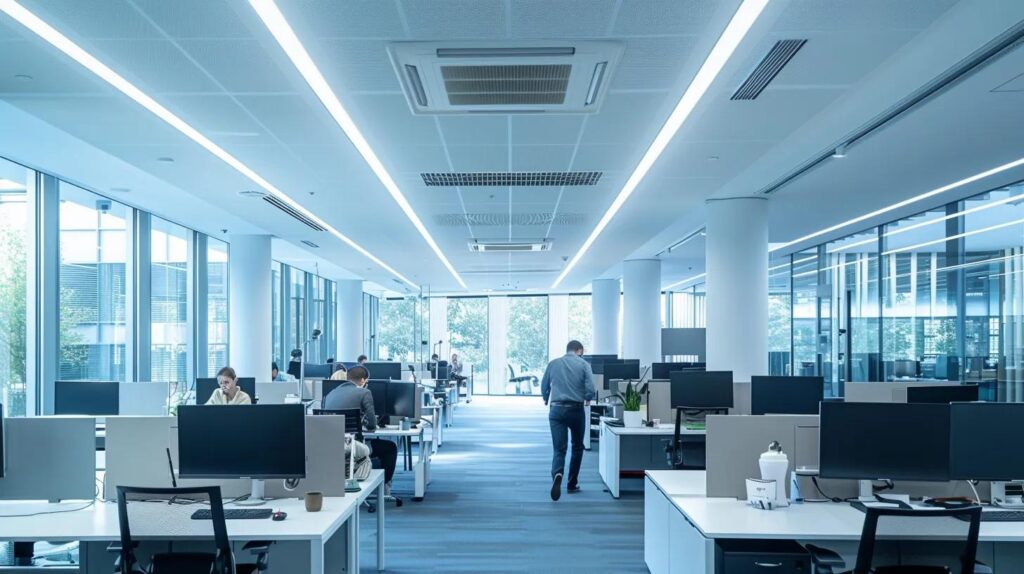
Better indoor air quality directly benefits employee health and productivity. High-efficiency air filtration systems and improved ventilation lower pollutants, allergens, and respiratory irritants, resulting in fewer sick days and greater focus among staff.
What Are Effective Air Purification Systems for Office Environments?
Using HEPA filters and UV-C sanitizing systems can capture most airborne particles and neutralize harmful compounds. These air purification solutions contribute to a noticeably healthier work environment and improved cognitive performance.
How Does Ventilation Improvement Contribute to a Healthier Workspace?
Upgrading ventilation systems by incorporating operable windows and energy recovery ventilators introduces fresh air and disperses indoor pollutants efficiently. This improvement helps reduce common discomforts such as headaches and fatigue in busy office settings.
Which Materials Minimize Off-Gassing and Toxic Emissions?
Choosing furnishings and building materials that meet low-emission certifications—such as those approved by the Forest Stewardship Council or Energy Star—minimizes off-gassing. This careful material selection supports a toxin-free environment that benefits long-term employee health.
What Are the Key Steps in Planning an Eco-Friendly Office Renovation?
Effective planning for an eco-friendly renovation requires a detailed approach that aligns with sustainability and efficiency goals. A clear roadmap from assessment to execution ensures every stage of the project supports improved indoor environments and operational cost savings.
How to Conduct a Sustainable Office Space Assessment?
A comprehensive assessment measures current energy use, indoor air quality, and waste generation. Consultants use tools like thermal imaging and energy audits to identify inefficiencies, forming a baseline for targeted improvements.
What Should Be Included in a Green Office Design Plan?
A green design plan outlines the vision, materials, systems, and ergonomic elements that will enhance sustainability. It details projected energy savings, anticipated improvements in air quality, and expected returns on investment, forming a practical guide for the renovation.
How to Select Eco-Friendly Contractors and Project Managers?
Selecting experienced contractors with green building certifications ensures adherence to sustainability standards. Professionals with LEED accreditation or recognition from the World Green Building Council understand best practices in material sourcing and waste minimization.
How Do Eco-Friendly Renovations Deliver Long-Term Cost Savings and Brand Benefits?
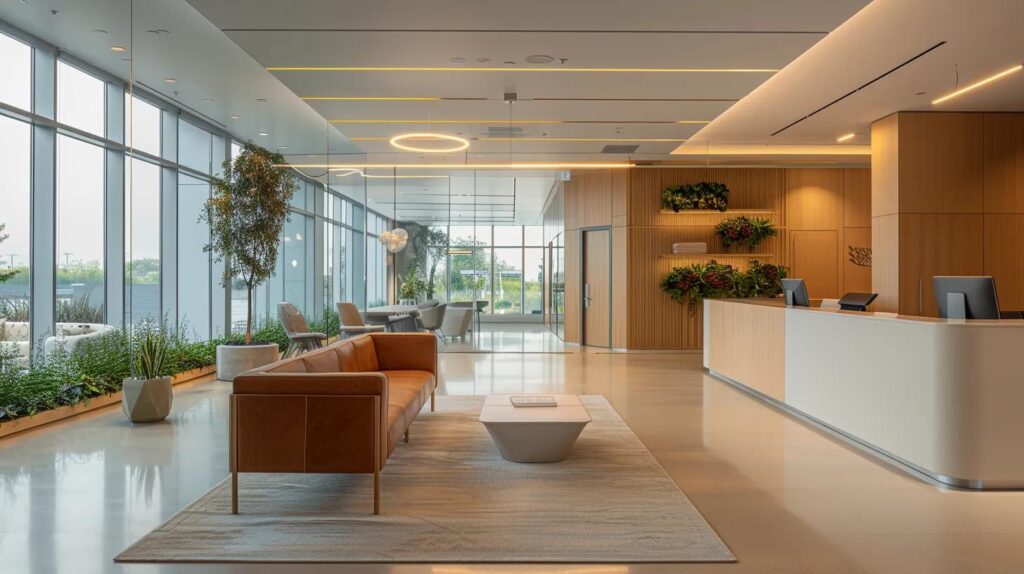
Eco-friendly renovations lead to reduced operating costs and higher productivity while reinforcing a company’s reputation as an environmental leader. The combination of energy savings, modern design, and healthier workspaces delivers substantial long-term financial and branding benefits.
What Are the Financial Benefits of Energy Efficiency in Offices?
Investments in energy-efficient upgrades such as LED lighting and smart HVAC systems provide immediate and ongoing savings. Reduced energy bills, lower waste disposal costs, and fewer routine maintenance expenses contribute to a strong return on investment.
How Does Sustainable Design Enhance Corporate Brand Image?
Commitment to sustainable design reflects a company’s environmental values, attracting clients, investors, and top talent. A green office renovation builds trust and loyalty while distinguishing the brand in today’s competitive market.
In What Ways Do Green Workspaces Improve Employee Morale and Productivity?
Offices designed for natural light, quality air, and ergonomic comfort boost employee well-being. Improved indoor environments reduce stress and absenteeism, ultimately driving productivity and enhancing overall operational performance.
Which Innovative Eco-Friendly Office Renovation Trends Are Shaping Modern Workspaces?
New trends in sustainable renovations include modular designs, biophilic incorporation, and renewable energy integration. These approaches not only create appealing workspaces but also adapt to future needs, reduce waste, and promote energy independence.
How Are Biophilic Design Elements Integrated Into Sustainable Offices?
Biophilic design involves adding natural elements like indoor plants, water features, and green walls, which improve mood and reduce stress. Integrating nature into office layouts enhances air quality and encourages creativity among employees.
What Role Do Modular and Flexible Office Designs Play in Sustainability?
Modular construction techniques and flexible workstations minimize construction waste and allow for easy reconfiguration as business needs change. This approach reduces long-term costs and supports adaptable, sustainable work environments.
How Are Renewable Energy Sources Being Used in Office Renovations?
Renewable energy technologies, such as solar panels and geothermal systems, are being incorporated into office designs to lower dependency on traditional energy sources. Utilizing clean energy not only decreases utility expenses but also aligns with broader sustainability goals.
What Are Common Challenges in Eco-Friendly Office Renovations and How to Overcome Them?
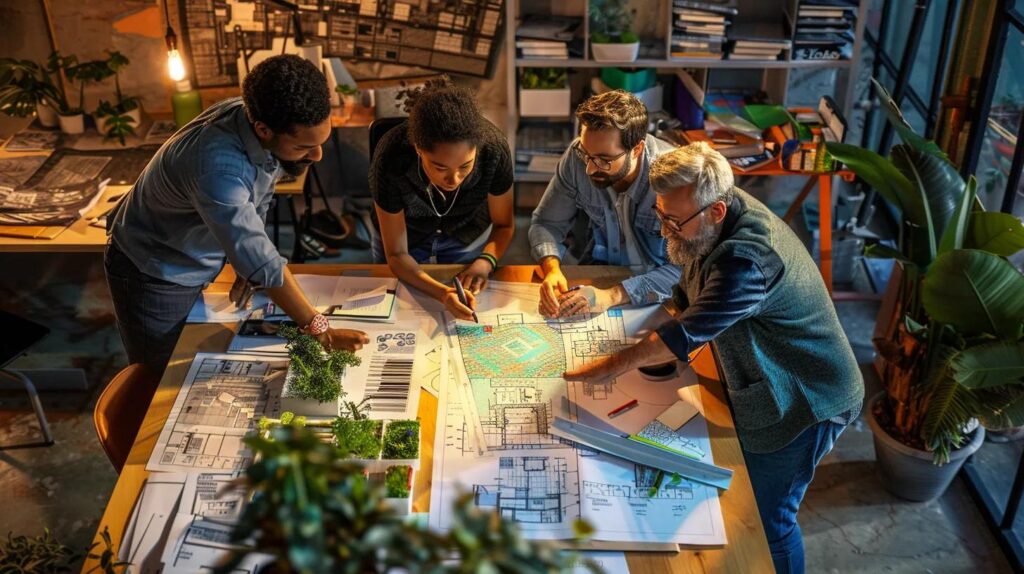
While green renovations deliver many benefits, challenges like budget limitations, project delays, and strict environmental standards can arise. Addressing these issues with careful planning and expert management is key to a successful renovation.
How to Manage Budget Constraints While Prioritizing Sustainability?
Conducting thorough feasibility studies and energy audits helps prioritize cost-effective upgrades like LED lighting and low-VOC finishes. Exploring government incentives and green grants can also ease financial pressures during the renovation process.
What Are Typical Delays and How Can Project Management Mitigate Them?
Common delays stem from material shortages or regulatory challenges. Proactive project management, clear timelines with contingency plans, and regular stakeholder meetings can keep the renovation on track.
How to Ensure Compliance With Environmental Standards and Certifications?
Working with certified contractors and maintaining detailed documentation ensures adherence to environmental guidelines such as LEED and Energy Star standards. Regular audits and transparent communication with regulatory bodies reinforce compliance and build credibility.
How Do Eco-Friendly Renovations Deliver Long-Term Cost Savings and Brand Benefits?
The cumulative benefits of green renovations include reduced energy and maintenance costs, improved productivity, and a stronger brand reputation. By investing in sustainable design, companies secure long-term financial savings and position themselves as industry leaders in environmental stewardship.
What Are the Financial Benefits of Energy Efficiency in Offices?
Consistent reductions in energy bills, lower waste disposal expenses, and minimal maintenance costs contribute to a strong return on investment. Energy efficiency creates financial flexibility that supports future innovations and upgrades.
How Does Sustainable Design Enhance Corporate Brand Image?
Sustainable design initiatives demonstrate a company’s commitment to environmental responsibility. This not only attracts eco-conscious customers and top talent but also drives market share and long-term growth.
In What Ways Do Green Workspaces Improve Employee Morale and Productivity?
Enhanced workspaces with better air quality, natural lighting, and ergonomic designs reduce stress and boost cognitive performance. As a result, employees become more engaged and productive, driving sustained business success.
Frequently Asked Questions
Q: What are the primary benefits of using sustainable materials in office renovations? A: Sustainable materials reduce waste, lower environmental impact, and improve air quality, leading to healthier workspaces and lowered operational costs.
Q: How do energy-efficient upgrades affect the overall cost of office renovations? A: By cutting down energy expenses, energy-efficient upgrades offer long-term savings and may qualify for tax credits or grants that reduce initial costs.
Q: Can improved indoor air quality in an office directly influence employee productivity? A: Yes, better indoor air quality reduces respiratory issues and fatigue, thereby enhancing cognitive performance and overall productivity.
Q: What steps should be taken to ensure compliance with environmental standards during a renovation? A: Collaborate with certified sustainable contractors, perform detailed assessments, and keep thorough documentation to meet environmental standards.
Q: How do modern smart building technologies contribute to sustainable office renovations? A: Smart technologies optimize energy use, automate routine tasks, and provide real-time energy data, improving efficiency and reducing costs.
Final Thoughts
Eco-friendly office renovations are essential for creating workspaces that support a sustainable future. By investing in recycled materials, low-VOC finishes, and energy-efficient systems, businesses can reduce their environmental footprint and improve both employee well-being and operational efficiency. A comprehensive planning process—from initial assessment to contractor selection—ensures all renovation aspects align with green principles, ultimately delivering long-term cost savings, an elevated brand image, and a healthier, more productive workplace.