
Article: # Best Home Addition Ideas to Transform Your Space: How to Expand and Enhance Your Home
Introduction
Extending your living area through a well-planned home addition unlocks extra comfort, functionality, and resale value while seamlessly blending new and existing architecture. This guide maps the most popular addition types, outlines step-by-step planning and budgeting strategies, highlights cutting-edge design trends, and pinpoints the projects with the highest return on investment. Readers will discover how master suites, kitchen extensions, second stories, sunrooms, and garage conversions can reshape daily life, learn essential permit and contractor selection steps, explore modern architectural styles, and evaluate cost-versus-value metrics. By integrating these insights, transforming space becomes both actionable and rewarding.
What Are the Most Popular Home Addition Types to Transform Your Space?
Home addition types define the scope, cost, and lifestyle impact of any renovation project by expanding living areas, improving functionality, and enhancing natural light. Homeowners frequently choose several addition types to expand functionality and aesthetics:
- Master Suite Addition that integrates a private bedroom and ensuite bathroom for luxury and convenience.
- Kitchen Extension that enlarges cooking and entertaining zones to foster social gatherings.
- Second Story Addition that doubles square footage without reducing yard space.
- Sunroom and Conservatory that capture daylight and connect indoor and outdoor living.
- Garage Conversion that repurposes existing footprints into home offices, gyms, or guest suites.
Each of these additions delivers distinct benefits that align with different lifestyle needs and budgets. For specialized expertise and tailored solutions, homeowners can explore Home Addition Las Vegas services for professional support and design guidance.
How Does a Master Suite Addition Improve Comfort and Value?
A master suite addition creates a private retreat by adding a bedroom and ensuite bathroom, which directly enhances daily comfort and drives significant property value increases.
What Are the Benefits of Kitchen Extensions for Entertaining?
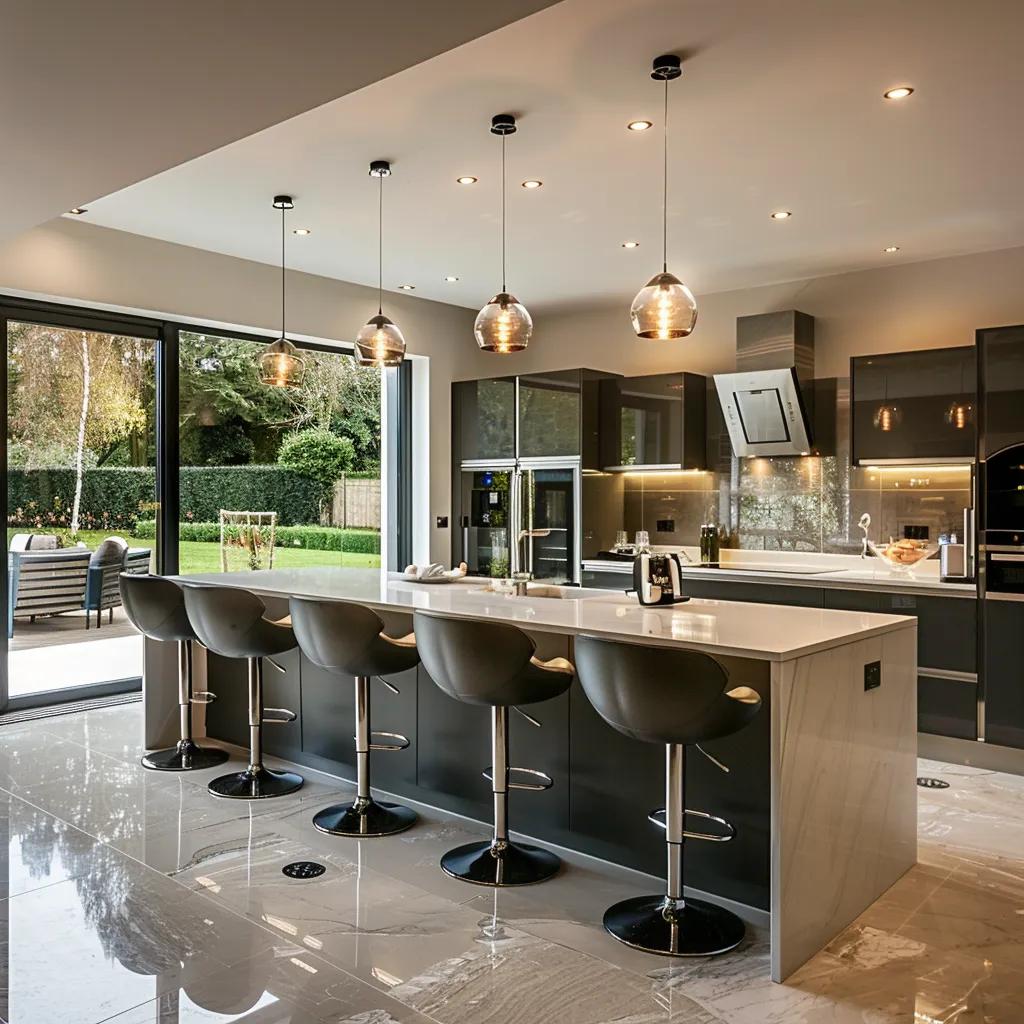
Kitchen extensions expand countertop and seating areas, improving food preparation flow and social interaction, and fostering a seamless transition between cooking and dining zones.
Why Consider a Second Story Addition for More Living Space?
A second story addition leverages existing foundation and roof structures to provide extra bedrooms or living rooms without altering the home’s footprint, boosting square footage efficiently.
How Can Sunrooms and Conservatories Enhance Natural Light?
Sunrooms and conservatories use glass walls and roofs to channel daylight into interior spaces, promoting passive solar heating and creating inviting garden views year-round.
What Makes Garage Conversions a Cost-Effective Home Addition?
Garage conversions repurpose underutilized space with minimal structural changes, often requiring lower permitting fees and delivering quick functional upgrades as home offices, gyms, or guest quarters.
How Do You Plan and Budget for a Successful Home Addition?
Planning and budgeting involve defining project scope, securing financing, and understanding regulatory requirements to ensure a seamless build process and avoid cost overruns.
| Step | Attribute | Outcome |
|---|---|---|
| Scope Definition | Room type and size | Clear project requirements |
| Budget Estimation | Material and labor costs | Realistic financial framework |
| Financing Options | Loans and credit lines | Secured funding with favorable terms |
| Contingency Buffer | Percentage of total estimate | Protection against unexpected expenses |
| Schedule Planning | Timeline and milestones | Efficient project pacing |
Budgeting for Home Additions
When planning a home addition, it’s crucial to establish a budget that accounts for various costs, including materials, labor, and potential hidden expenses. It’s advisable to incorporate a contingency fund, aiming for around 10-20% of the total estimated budget to cover unforeseen expenses during construction [6].
This ensures financial preparedness and helps manage unexpected challenges during the project.
Careful budgeting and structured planning pave the way for a stress-free construction phase.
What Are the Key Steps in Budgeting and Financing Home Additions?
Defining precise cost estimates for materials and labor, researching favorable loans or lines of credit, and allocating a contingency buffer underpin a robust budget that supports project scope and quality.
Which Permits and Regulations Should You Know Before Adding Space?
Local building codes typically require zoning approval, structural plan reviews, and inspections for electrical, plumbing, and energy compliance, ensuring safety and legal adherence.
Permits and Regulations for Home Additions
Building permits are essential for home additions, and the specific requirements vary by location. All permanent improvements to your land, including home additions, will require permits [3]. Building without permission from your municipality could land you with violations and expensive fines, and you may even be forced to knock down the addition and return your property to its original condition if your building department finds out about the illegal construction [3].
This highlights the importance of adhering to local regulations to avoid legal issues and ensure the project’s compliance.
How Do You Choose the Right Contractor for Your Home Addition?
Prioritize licensed, insured contractors with verifiable references, transparent pricing, and a proven track record in home additions to guarantee quality workmanship and timely delivery.
What Design Trends and Styles Maximize the Impact of Home Additions?
Incorporating modern architectural styles, harmonious integration methods, and daylight optimization can elevate new spaces from functional additions to signature design statements.
Industry experts recommend these top trends for cohesive and innovative additions:
- Embrace open-concept layouts to foster flow between existing and new spaces.
- Select natural materials such as wood and stone for warmth and durability.
- Integrate smart home systems—lighting, climate, and security—for seamless control.
- Use minimalist lines and large windows to enhance a contemporary feel.
- Incorporate indoor–outdoor transitions, such as sliding glass doors, for expanded living.
Home Addition Design Trends
Modern architectural styles, open-concept layouts, and the use of natural materials are key design trends that can maximize the impact of home additions [18]. Homeowners are expecting more and more to not just have a yard, but to treat the yard as an integrated extension of the home [12].
These trends reflect a shift towards creating functional, aesthetically pleasing spaces that align with modern lifestyles.
Each trend supports a refined blend of form and function that resonates with modern lifestyles and resale expectations.
How Can Modern Architectural Styles Transform Your Addition?
Modern styles leverage clean lines, flat or low-pitched roofs, and extensive glazing to create a minimalist yet spacious atmosphere that complements contemporary homes.
What Are the Best Ways to Integrate New Additions with Existing Architecture?
Matching rooflines, siding materials, and window proportions ensures that new sections appear as natural extensions rather than afterthoughts, maintaining curb appeal and design harmony.
How Do You Maximize Natural Light in Your Home Addition?
Strategically placing skylights, clerestory windows, and glass doors channels daylight deep into interiors, reducing reliance on artificial lighting and enhancing occupant well-being.
Which Home Additions Offer the Best Return on Investment and Value?
Evaluating ROI helps homeowners prioritize additions that meet immediate needs and deliver measurable increases in property worth and lifestyle quality.
| Home Addition | Average ROI (%) | Key Value Driver |
|---|---|---|
| Garage Conversion | 60–75 | Low structural cost for versatile rooms |
| Mid-range Bathroom | 60–70 | Modern fixtures and functional layouts |
| Master Suite | 50–60 | Additional bedroom and luxury amenities |
| Kitchen Extension | 40–60 | Expanded entertaining and prep space |
| Sunroom/Conservatory | 45–55 | Increased year-round usable space |
Home Addition ROI
Home additions can add significant value to a home, with some projects potentially recouping a large percentage of their cost. For example, a home addition can add between 50-60% of its total cost back in value to the home [1].
This demonstrates the financial benefits of investing in home additions, making it a worthwhile consideration for homeowners.
What Home Additions Increase Property Value the Most?
Converting a garage or adding a mid-range bathroom often yields the highest ROI because they leverage existing structures and address core buyer preferences.
How Does Cost Compare to Value for Different Addition Types?
While second story additions incur higher upfront costs, they typically recoup a larger percentage due to the substantial increase in usable square footage and market appeal.
How Can New Space Enhance Your Lifestyle and Functionality?
Adding dedicated home offices, wellness rooms, or leisure areas tailors the living environment to evolving household needs, fostering productivity, comfort, and overall quality of life.
Strategic home additions transform physical space, enrich daily experiences, and optimize property value. By selecting the right addition type, meticulously planning finances and permits, embracing modern design trends, and evaluating ROI metrics, homeowners can confidently expand and elevate their living environments.