
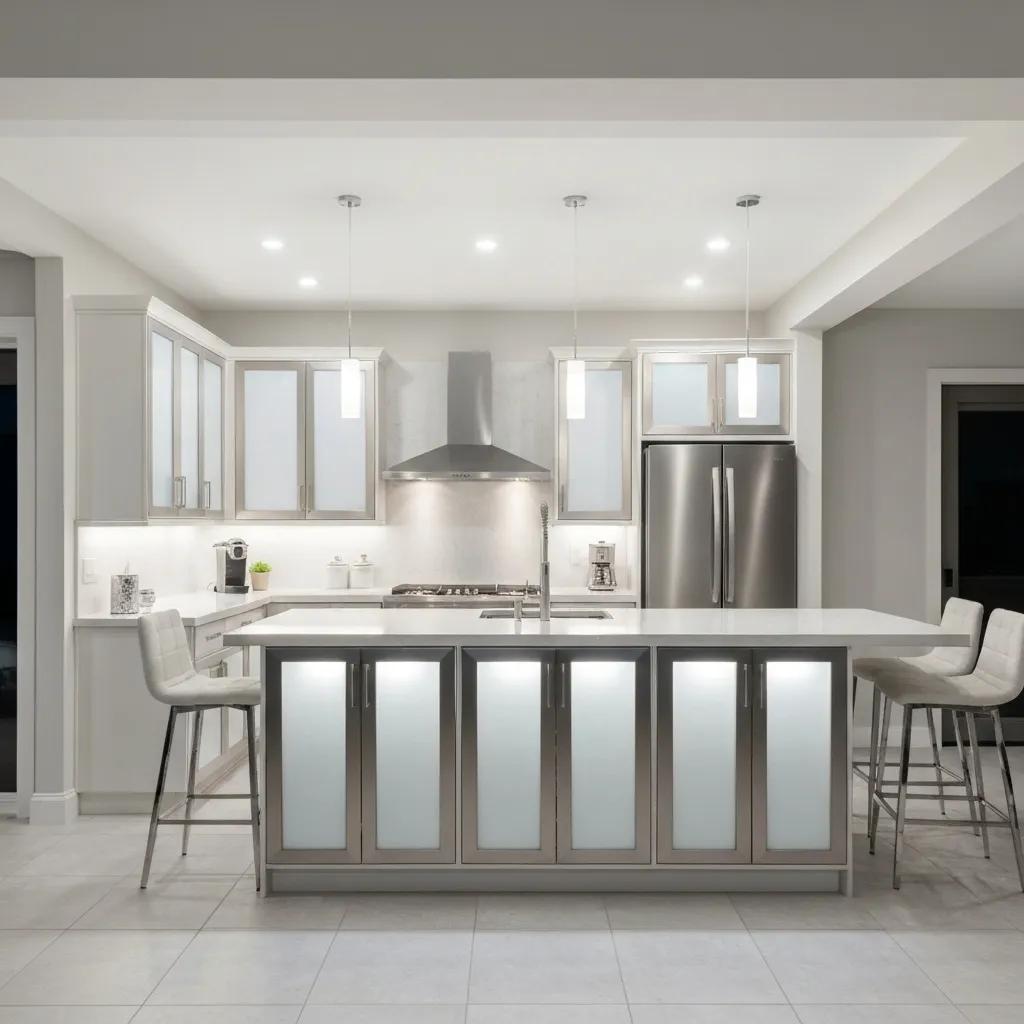
How to Choose Kitchen Cabinets for Your Dream Space: Expert Tips for the Perfect Kitchen
Selecting the ideal kitchen cabinets can transform cooking zones into functional, stylish dream spaces by balancing durability, aesthetic appeal and storage efficiency. Homeowners often feel overwhelmed by options for materials, styles, finishes, hardware and layout, but with a clear decision roadmap they can streamline choices and achieve a cohesive result.
This guide outlines everything from the most durable cabinet materials to the smartest storage layouts—alongside insights on professional installation through explore our comprehensive kitchen remodeling services in Las Vegas by A1 Construction LV. You’ll learn how to match material and style, select finishes and hardware, then plan a layout that maximizes workflow and storage.
What Are the Best Kitchen Cabinet Materials for Durability and Style?
Cabinet materials determine structural strength and visual character while influencing cost and maintenance.
Choosing components with high moisture resistance and scratch protection enhances longevity and elevates kitchen style. Below is a comparison of top materials for durability and aesthetic flexibility.
| Material | Durability Rating | Typical Cost |
|---|---|---|
| Solid Wood | High | $$$ |
| Plywood | High | $$–$$$ |
| MDF | Medium | $–$$ |
| Stainless Steel | Very High | $$$$ |
| Laminate | Medium | $–$$ |
Solid wood and stainless steel deliver exceptional lifespan, while plywood offers reliable strength at moderate price. MDF and laminate provide budget-friendly options.
Durable Cabinet Materials
Solid wood, plywood, MDF, and stainless steel are among the most durable materials for kitchen cabinets, each offering unique benefits in terms of strength, resistance to damage, and longevity. Solid wood is a classic choice for its durability and timeless beauty, while plywood provides excellent strength and stability. Stainless steel is known for its exceptional durability and modern aesthetic, resisting water, heat, and stains.
This source provides a comparison of the durability of different cabinet materials, which directly supports the article’s discussion of material selection.
Which Wood Types Are Ideal for Kitchen Cabinets?
Wood species affect grain pattern, hardness and color consistency.
- Maple offers uniform grain and excellent dent resistance for busy kitchens.
- Oak displays bold grains and strong wear properties for traditional or rustic designs.
- Cherry develops rich patina over time, adding warmth to upscale layouts.
These hardwoods enhance cabinet rigidity and timeless appeal, leading naturally to engineered wood discussions.
How Do MDF and Plywood Compare for Kitchen Cabinets?
MDF (medium-density fiberboard) and plywood both serve as engineered wood but differ in moisture resistance and edge strength. MDF excels at smooth painted finishes, while plywood’s cross-layered veneers resist warping in humid environments.
| Material | Construction | Primary Advantage |
|---|---|---|
| Plywood | Cross-glued veneers | Superior moisture and load bearing |
| MDF | Compressed wood fibers | Flawless surface for paint |
Plywood is better for cabinet boxes near sinks, whereas MDF is ideal for painted doors in low-humidity zones.
What Are the Benefits of Specialty Materials Like Stainless Steel and Laminate?
Specialty options combine aesthetics with practical benefits.
- Stainless Steel cabinets resist heat, stains and bacteria for a sleek, professional look.
- Laminate finishes deliver unlimited color and pattern choices with scratch-resistant surfaces.
These materials support both modern design trends and rigorous daily use, guiding the transition to style selection.
What Are the Most Popular Kitchen Cabinet Styles and How to Choose Them?
Cabinet style defines the kitchen’s overall character by combining door design, frame structure and decorative details. Matching style to architectural context ensures a harmonious result and influences room value. Consider these leading styles when refining your kitchen’s personality.
What Makes Shaker Cabinets a Timeless Choice?
Shaker cabinets feature recessed center panels and square edges that combine simplicity with functional elegance. Their clean lines accommodate traditional, transitional and modern kitchen schemes. Shaker’s versatile design allows for painted or stained finishes, boosting resale appeal and adaptability.
How Do Slab and Flat-Panel Cabinets Fit Modern Kitchens?
Slab (flat-panel) doors consist of unembellished, smooth surfaces attached to hidden frames. This minimalistic style enhances contemporary layouts by promoting seamless cabinetry walls and integrated appliances. Sleek slabs support pop-of-color islands, elevating ultra-modern kitchen designs.
Why Choose Raised Panel or Inset Cabinets for Traditional Designs?
Raised panel doors have a center panel that protrudes slightly, creating refined depth ideal for classic or farmhouse kitchens. Inset cabinets align door faces flush with the frame for precise lines and heirloom craftsmanship. Both styles reinforce period authenticity and architectural detail.
How to Select the Right Cabinet Finishes and Colors for Your Kitchen?
Finishes protect cabinet surfaces and define visual tone, while color choices set mood and contrast. The right finish balances maintenance requirements with design goals and integrates with countertops, flooring and hardware selections.
| Finish Type | Aesthetic Impact | Maintenance |
|---|---|---|
| Painted | Unlimited palette | Easy to touch up |
| Stained | Highlights grain | Requires sealing or periodic maintenance |
| Laminate | Wide textures | Wipe-clean surface |
| Thermofoil | Uniform sheen | Resistant to moisture but can be damaged by heat |
These finish categories cover both traditional wood showcases and modern low-maintenance options.
What Are the Advantages of Painted Cabinet Finishes?
Painted cabinets improve style flexibility by offering any color choice and smooth uniform coverage. They conceal grain inconsistencies and can be renewed with minimal labor, promoting long-term kitchen refresh cycles. Painted finishes also support bold accent islands without sourcing exotic wood species.
How Do Stained Finishes Enhance Wood Grain?
Stain penetrates wood pores to accentuate natural grain and depth, enriching the material’s character. Dark or light stains can transform oak, maple or cherry into signature statements that showcase craftsmanship and warmth.
When Should You Consider Laminate or Thermofoil Finishes?
Laminate and thermofoil apply factory-bonded layers over panels for ultra-durable, moisture-resistant surfaces. They excel in high-traffic kitchens or rental properties where easy cleaning and cost-effectiveness are paramount. Thermofoil, however, can be susceptible to heat damage and peeling over time if exposed to excessive heat or moisture.
How to Choose Kitchen Cabinet Hardware That Combines Style and Function?

Hardware unites cabinet assemblies while reinforcing both usability and design accents—alongside options for professional installation via professional kitchen cabinet installation as part of your remodel by A1 Construction LV.
What Are the Best Knobs and Pulls for Kitchen Cabinets?
- Round knobs in brushed nickel offer classic grip and enduring style.
- Bar pulls with stainless steel finish support modern lines and sturdy handling.
- Recessed pulls maintain a flush profile for streamlined surfaces.
These hardware types promote consistent function and complement diverse cabinet styles.
How Do Soft-Close Hinges and Hidden Hardware Improve Functionality?
Soft-close hinges use hydraulic dampers to prevent slamming and extend cabinet lifespan. Hidden or European-style hinges conceal mounting hardware for clean door edges and unobstructed interior access. Both features enhance user experience and support high-end kitchen performance.
How to Plan Your Kitchen Cabinet Layout for Maximum Storage and Efficiency?
A well-planned layout aligns cabinet placement with workflow zones—preparation, cooking, cleaning and storage—supporting an ergonomic and efficient kitchen triangle.
| Layout Type | Best For | Key Benefit |
|---|---|---|
| Galley | Narrow spaces | Maximizes linear storage |
| L-Shape | Medium kitchens | Opens traffic flow and corners |
| U-Shape | Large kitchens | Surrounds user with ample prep space |
Matching layout to kitchen footprint ensures logical storage placement and streamlined movement.
What Are Smart Storage Solutions for Kitchen Cabinets?
Intelligent storage features optimize every inch of cabinet interior.
- Pull-out trays provide easy access to pots and pans.
- Lazy Susans maximize corner space with rotating shelves.
- Vertical dividers organize baking sheets and cutting boards.
These solutions transform deep cabinets into practical stowage systems.
How to Optimize Cabinet Placement for Different Kitchen Shapes?
Galley kitchens benefit from identical storage runs on either side, while L-shapes position base cabinets under the sink and along the longer wall for cohesive work zones. U-shape designs centralize cooking appliances with surrounding cabinets for balanced access. Strategic placement ensures each kitchen shape achieves peak function.
Selecting the best materials, styles, finishes, hardware and layout empowers homeowners to craft their ideal kitchen environment. From durable solid wood and engineered woods to classic Shaker and sleek slab styles, every choice influences how the space performs and looks. Thoughtful finish and color selections protect surfaces and define mood, while quality hardware and smart storage features boost daily convenience. By integrating these expert tips and relying on professional remodeling support, every kitchen can become a dream space that blends lasting value and design integrity. For tailored guidance, get a free consultation for your Las Vegas kitchen project with A1 Construction LV.