
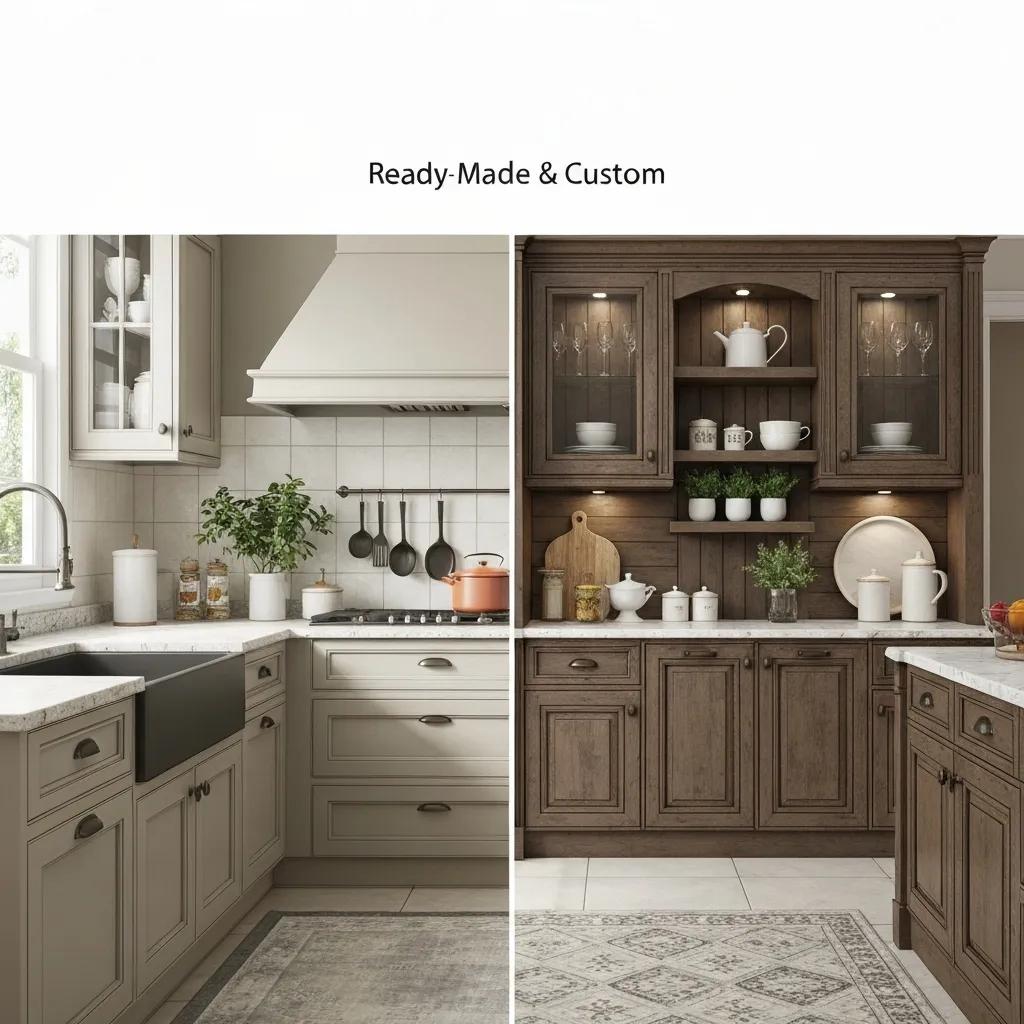
Ready-Made Cabinets vs Custom: Which Is Better for Your Kitchen Remodel?
Choosing the right cabinetry can transform both the look and functionality of a kitchen, yet homeowners often debate the benefits of buying ready-made cabinets against investing in custom-built units. This guide clarifies trade-offs in cost, quality, design flexibility, lead time, and long-term value. It will explore:
- What defines ready-made cabinets, their cost advantages, installation speed, and quality limits.
- How custom cabinets are built, materials used, design freedom, pricing, timelines, and ROI.
- A direct comparison of cost, durability, installation, storage efficiency, and resale impact.
- Decision criteria for ready-made, custom, or semi-custom solutions based on budget, space, and lifestyle.
- A concise pros-and-cons summary for featured-snippet clarity.
For expert assistance, homeowners can explore our comprehensive kitchen remodeling services in Las Vegas to integrate the perfect cabinetry solution.
What Are Ready-Made Cabinets and What Are Their Advantages?
Ready-made cabinets are mass-produced, standard-size units designed for quick selection and installation, offering immediate cost savings and consistent availability. Their streamlined manufacturing process drives affordability and simplifies project planning, making them ideal for budget-conscious remodels.
What Defines Ready-Made, Stock, and RTA Cabinets?
Stock cabinets arrive fully assembled in preset dimensions, while RTA (Ready-to-Assemble) units ship flat-packed for on-site assembly. Both rely on materials like MDF and particleboard for base construction, with laminated or thermofoil finishes for durability. This classification ensures homeowners can choose either immediate installation or DIY assembly without bespoke fabrication delays.
What Are the Cost Benefits of Ready-Made Cabinets?
Ready-made cabinetry delivers the most affordable per-foot investment, with savings passed directly to homeowners.
| Cabinet Type | Price Range (per linear foot) | Installation Impact |
|---|---|---|
| Stock | $75 – $300 | Professional or DIY fit |
| RTA | $100 – $500 | Assembly required on site |
Ready-Made vs. Custom Cabinets: Cost Analysis
How Quick Is the Lead Time and Installation for Ready-Made Cabinets?
Ready-made cabinets typically arrive within one to two weeks of order, and RTA units can be assembled in a few hours. Professional installers can complete a standard kitchen in as little as three days, while DIY enthusiasts may extend installation by a few days. The accelerated timeline enables remodels to stay on schedule and reduces labor costs.
What Are the Limitations of Ready-Made Cabinets in Design and Quality?
Standard sizing restricts fit in irregular layouts, and material grades vary across manufacturers. Finishes may lack premium veneers, and hardware options are often generic. These constraints can lead to gaps, visible seams, or limited storage solutions in uniquely shaped kitchens, prompting some homeowners to seek tailored alternatives.
What Are Custom Cabinets and Why Choose Them?
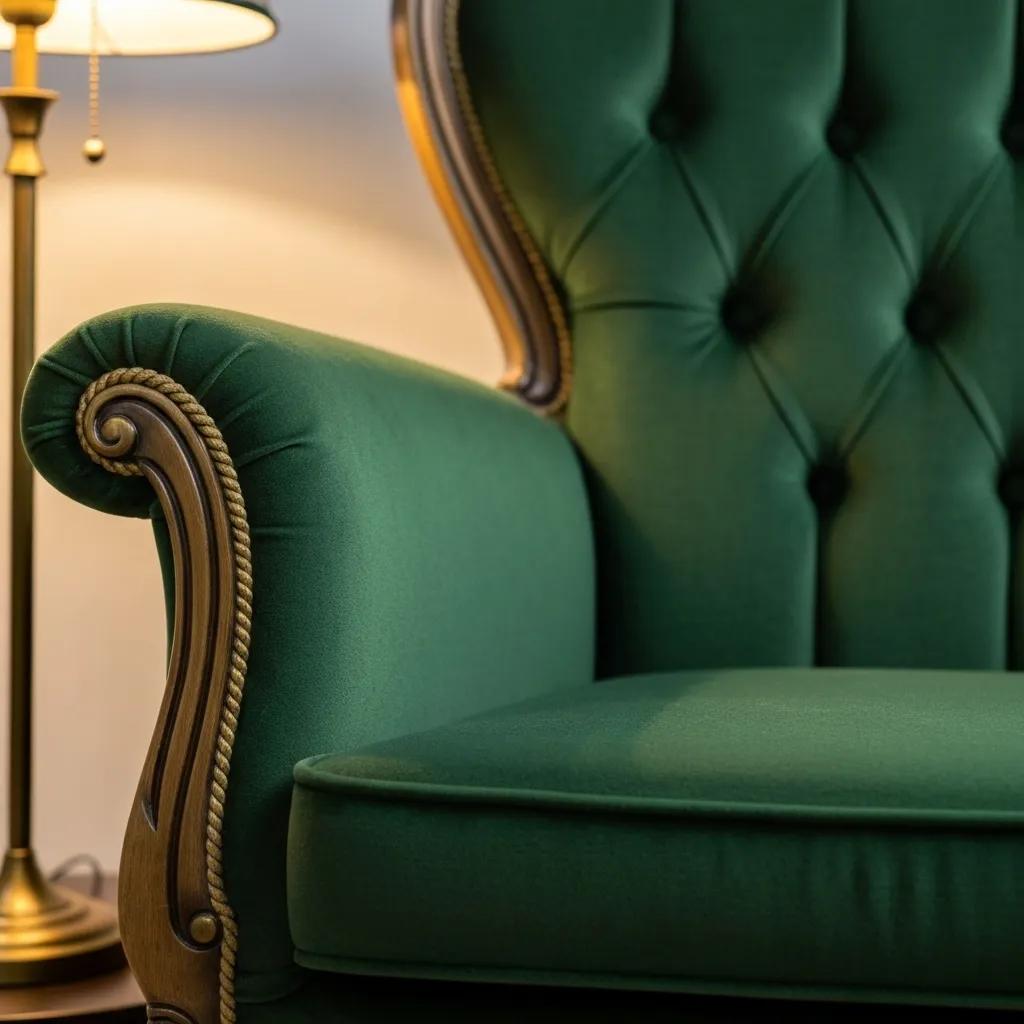
Custom cabinets are handcrafted to exact specifications, combining high-grade materials and precision joinery to deliver a perfect fit, unlimited design possibilities, and maximized functionality. This approach supports complex layouts, unique finishes, and integrated storage innovations that enhance both aesthetics and use.
How Are Custom Cabinets Built and What Materials Are Used?
Custom cabinetry employs solid plywood or hardwoods like maple, cherry, and walnut shaped with dovetail joinery, reinforced shelving, and premium hardware.
| Material | Quality Grade | Typical Application |
|---|---|---|
| Maple Solid | High | Sleek painted or stained |
| Cherry Solid | Very High | Warm, upscale finishes |
| Birch Plywood | Medium-High | Durable painted interiors |
| MDF | Medium | Smooth, painted exteriors |
What Design Flexibility and Customization Options Do Custom Cabinets Offer?
Custom solutions allow infinite cabinet heights, widths, and depths, specialty inserts, hidden compartments, integrated appliances, and bespoke finish palettes. Homeowners can tailor every element—from drawer organization to decorative moldings—creating a kitchen that reflects personal style and optimizes every inch of space.
How Does the Cost and Lead Time of Custom Cabinets Compare?
Custom cabinetry commands $500 – $1,200 per linear foot and requires 8 – 12 weeks for design, approval, and production. While the initial investment and timeline exceed those of ready-made units, custom cabinets deliver superior fit and finish that can offset cost through enhanced functionality and satisfaction.
How Do Custom Cabinets Impact Home Value and Longevity?
High-quality materials and craftsmanship translate into lasting performance and elevated resale appeal. Custom cabinets can boost home equity by 3 – 5% on average, thanks to their aesthetic distinction and built-in storage enhancements that attract discerning buyers.
Custom Cabinetry: Design and Home Value
How Do Ready-Made and Custom Cabinets Compare: Cost, Quality, and Design?
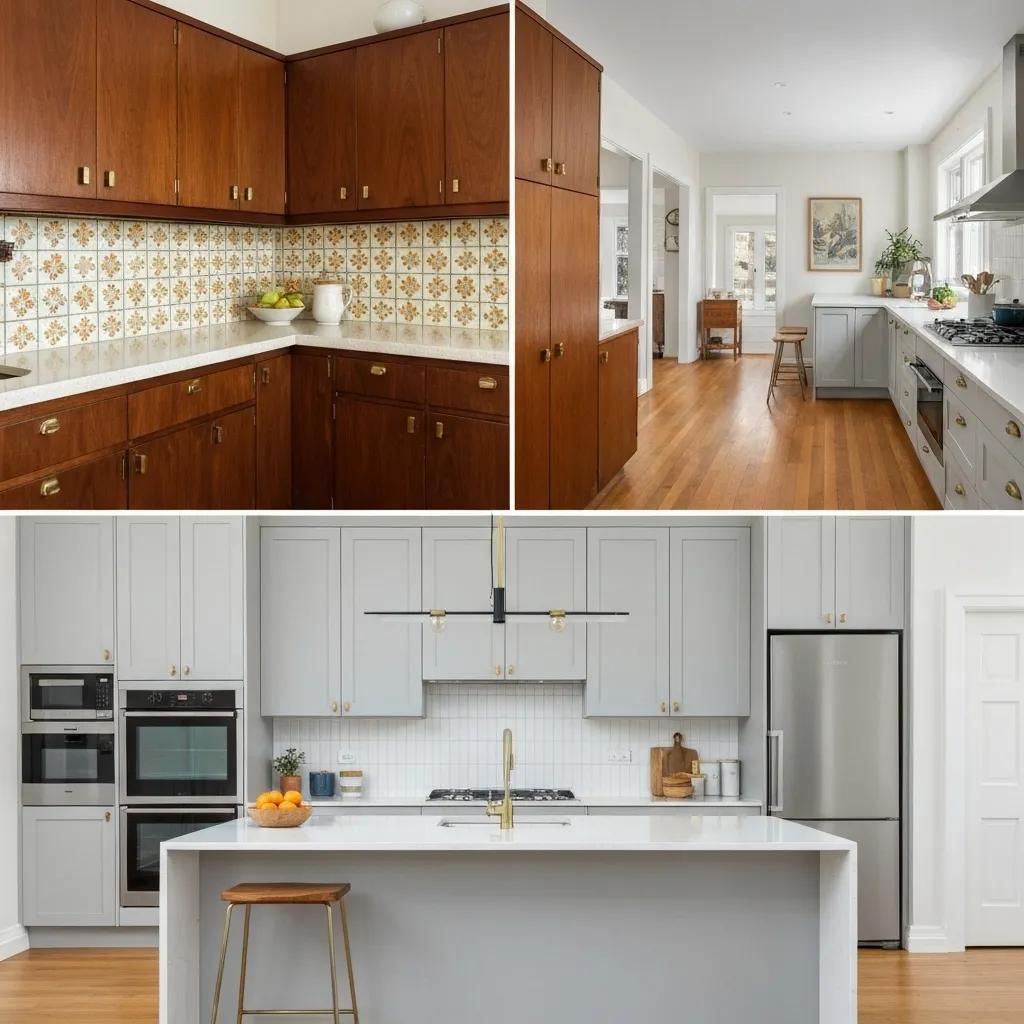
A direct evaluation underscores key differences in materials, durability, and design potential.
What Are the Key Differences in Material Quality and Durability?
| Cabinet Type | Core Material | Durability Rating |
|---|---|---|
| Ready-Made (Stock) | Particleboard | Moderate (5–8 years) |
| Ready-Made (RTA) | MDF | Moderate (7–10 years) |
| Custom | Solid Plywood | High (15–20+ years) |
How Do Design Options and Space Utilization Differ?
Custom cabinets excel in filling awkward corners, creating built-in pantry towers, and matching unique architectural elements. Stock options confine layouts to standard footprints and preselected finishes, reducing storage optimization in unconventional kitchens.
What Are the Installation Requirements and Project Timelines?
Ready-made cabinets accommodate DIY assembly or quick contractor installs, minimizing disruption to daily life. Custom units require professional installers with precise measurement, adding coordination time but ensuring seamless integration with countertops, flooring, and appliances.
How Does Each Cabinet Type Affect Kitchen Functionality and Resale Value?
Ready-made installations deliver functional storage at low cost but may limit long-term appeal. Custom solutions enhance workflow with tailored drawer systems, corner carousels, and integrated features that amplify cooking efficiency and property desirability.
When Should You Choose Ready-Made, Custom, or Semi-Custom Cabinets?
Selecting the ideal cabinetry hinges on balancing budget, design goals, and timeline.
What Budget and Timeline Factors Influence Cabinet Selection?
- Project budget under $10,000 or timeline under 4 weeks favors ready-made options.
- Budgets above $20,000 with flexible schedules support custom builds.
- Mid-range budgets and moderate time constraints point to semi-custom blends.
Which Cabinet Type Fits Different Kitchen Sizes and Styles?
| Kitchen Size | Recommended Cabinet Type | Reason |
|---|---|---|
| Small Efficiency | RTA Stock | Affordable, quick install, maximizes layout |
| Standard Family | Semi-Custom | Mix of customization with cost control |
| Luxury Estate | Fully Custom | Premium materials, tailored design features |
How Do Lifestyle and Future Plans Affect Your Cabinet Choice?
- Frequent entertainers benefit from custom wine racks and buffet stations.
- Long-term homeowners gain from high-end materials that reduce maintenance.
- Sellers focused on quick flips may prioritize budget-friendly ready-made units to maximize ROI.
What Are the Pros and Cons of Ready-Made vs Custom Cabinets?
Below is a concise summary of main advantages and trade-offs for quick decision support and featured-snippet eligibility.
What Are the Main Advantages of Ready-Made Cabinets?
- Cost Savings – Lowest per-foot price for budget projects.
- Speed – Available within days; installation in a week.
- Ease of Selection – Standard sizes and finishes simplify choices.
These strengths make them a go-to for fast, affordable remodels.
What Are the Main Advantages of Custom Cabinets?
- Unlimited Design – Tailored dimensions, finishes, and hardware.
- Superior Quality – Hardwood construction and premium joinery.
- Value Addition – Enhances home equity and long-term durability.
Custom cabinets deliver a distinctive kitchen built to last.
What Are the Common Disadvantages of Each Cabinet Type?
| Cabinet Type | Limitation | Impact |
|---|---|---|
| Ready-Made | Standard sizing | Poor fit in odd layouts |
| Lower-grade materials | Shorter lifespan and potential warping | |
| Custom | Higher cost per foot | Increased project budget |
| Extended lead time | Longer project timeline |
Understanding these trade-offs directs homeowners to the cabinetry solution aligned with their remodel goals.