

Cost Effective Kitchen Cabinet Solutions for Every Budget: Affordable Options and Money-Saving Tips
Average full cabinet replacement can cost over $20,000, but homeowners can upgrade functionality and aesthetics at a fraction of the price. This guide on cost effective kitchen cabinet solutions for every budget outlines the key cost drivers, top budget-friendly products, material comparisons, do-it-yourself strategies, and innovative alternatives. It helps readers identify value-packed options—from Ready-to-Assemble (RTA) cabinetry and refacing to laminate, thermofoil, MDF, and particleboard choices—while exploring painting, hardware upgrades, open shelving, and repurposed furniture. By mapping these themes, this resource delivers actionable insights to balance style, durability, and savings. Understanding these cost drivers lays a clear path toward selecting budget-friendly cabinet solutions.
What Are the Main Factors Influencing Kitchen Cabinet Costs?
Cabinet expenses stem from three primary components—material selection sets the base price, labor adds installation and finishing fees, and customization elevates the total for unique dimensions or decorative details. For instance, solid oak cabinets can be two to three times more expensive than laminate alternatives due to raw material and milling costs, while intricate molding or soft-close hardware boosts labor hours and budget. Breaking down these categories begins with an examination of material choices and their price impacts.
Kitchen Cabinet Cost Breakdown: Types, Materials & Budgeting
How Do Materials Affect Kitchen Cabinet Prices?
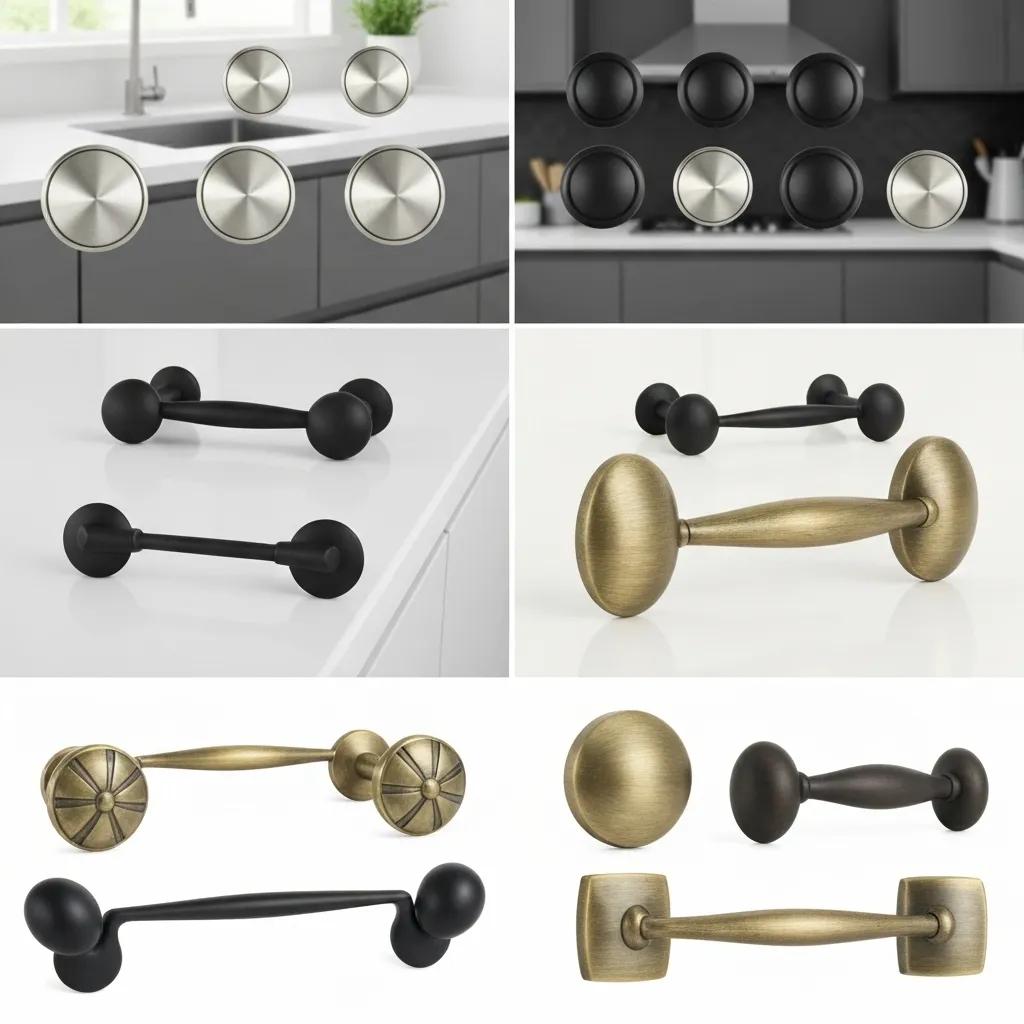
Material choice determines both upfront investment and long-term performance. Engineered wood costs less than solid species and accepts durable finishes, while natural hardwood commands premium pricing for grain patterns and longevity.
- Laminate → cost-saving → moisture resistance and scratch protection
- Solid wood → premium investment → decades of durability and refinishing potential
- MDF → budget-friendly → smooth, paintable surface for modern styles
- Particleboard → lowest price → basic structural support for veneered fronts
These material attributes outline why some cabinets carry steep price tags, leading into considerations of installation and customization expenses.
What Role Does Labor and Customization Play in Budgeting?
Labor and custom work can account for 30–50 percent of a cabinet project’s total. Complex installations, like angled corner units or decorative glass inserts, require skilled carpenters and extended timelines, driving up costs. Standard cabinet assembly and basic hardware fitting reduce labor hours, while tailored solutions—such as built-in spice racks or under-cabinet lighting—add specialized labor fees. Balancing labor scope and customization depth ensures budgets stay on track without sacrificing essential features.
Which Cost-Effective Kitchen Cabinet Solutions Offer the Best Value?
Cost-effective solutions combine low acquisition cost with reliable performance and style. Ready-to-Assemble (RTA) cabinets, cabinet refacing, stock units, and semi-custom lines each deliver unique savings and design benefits. Professionals offering Kitchen Remodeling Las Vegas – Comprehensive Services can guide on design optimization and installation quality while prioritizing budget solutions. The first approach, Ready-to-Assemble cabinets, minimizes shipping and labor, leading us to explore their core advantages.
What Are Ready-to-Assemble (RTA) Cabinets and Their Benefits?
RTA cabinets arrive flat-packed to reduce freight and require homeowner assembly, cutting both shipping and installer fees while offering modern styles and modular sizing.
| Feature | Benefit | Why It Matters |
|---|---|---|
| Flat-pack design | Simplifies logistics | Reduces shipping costs |
| Pre-drilled parts | Facilitates assembly | Cuts labor expenses |
| Modular sizing | Allows flexible layouts | Matches standard budget constraints |
The Benefits of RTA (Ready-To-Assemble) Cabinets
How Does Cabinet Refacing Save Money and Refresh Your Kitchen?
Cabinet refacing replaces doors and veneer while retaining existing boxes, slashing material and labor costs by up to 50 percent compared to full replacement.
- Veneer application → $100–$200 per linear foot → lower material cost for door and drawer fronts
- Door replacement → $80–$150 per door → modern style update without new boxes
- Hardware upgrade → $5–$20 per piece → refreshed finish and functionality
By focusing on surfaces, refacing achieves a modern look without full cabinet replacement.
Cost-Savings of Cabinet Refacing in Home Renovations
How Do Stock and Semi-Custom Cabinets Compare for Budget Buyers?
Stock cabinets come pre-manufactured in standard sizes and styles, while semi-custom models allow limited modifications for door styles, finishes, or minor dimension tweaks.
| Cabinet Type | Customization Level | Cost Range |
|---|---|---|
| Stock | Low | $60–$200 per linear foot |
| Semi-Custom | Moderate | $150–$300 per linear foot |
What Affordable Materials Are Best for Budget Kitchen Cabinets?
Material selection deeply influences cabinet cost, durability, and visual appeal. Low-cost surfaces and cores can deliver impressive performance when chosen wisely.
How Do Laminate and Thermofoil Cabinets Compare in Cost and Durability?
Laminate and thermofoil both coat engineered cores with protective films to yield affordable, easy-clean surfaces that resist wear.
| Material | Cost Efficiency | Durability |
|---|---|---|
| Laminate | High | Scratch and moisture resistant |
| Thermofoil | Moderate | Resistant to peeling and staining |
Why Are MDF and Particleboard Popular for Budget Cabinets?
MDF and particleboard cores underpin many economical cabinets by providing stable, uniform substrates ready for finishing.
- MDF features a smooth, dense surface ideal for paint and veneer
- Particleboard delivers the lowest material expense for hidden cabinet boxes
- Both cores support laminate and thermofoil overlays for lasting protection
These engineered woods underlie affordable cabinets by offering stable, low-cost foundations.
How Can DIY Strategies Help Save Money on Kitchen Cabinets?
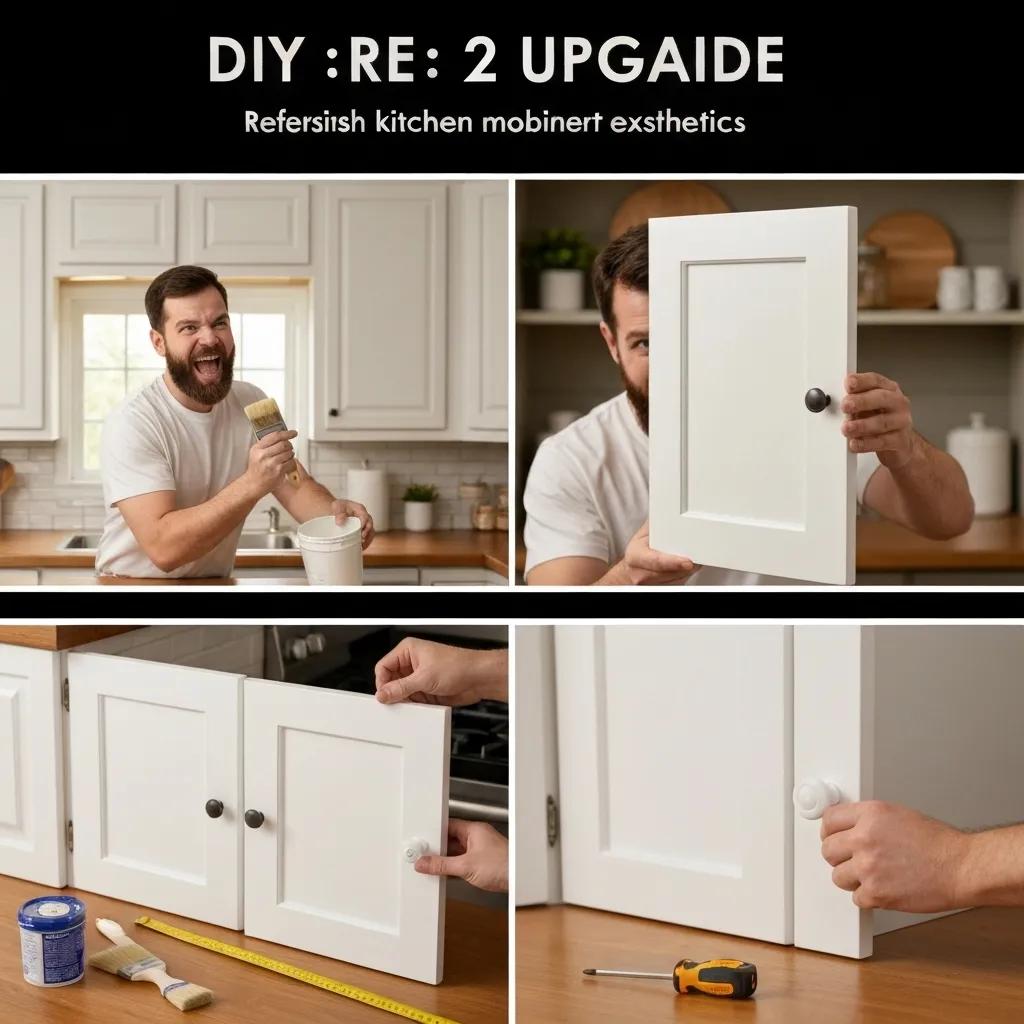
Leveraging homeowner labor to handle painting, staining, and minor installations cuts professional fees and accelerates project timelines.
What Are the Steps to Painting and Staining Cabinets Yourself?
Painting or staining existing cabinets transforms appearance with minimal investment through a few key actions:
- Remove doors, drawers, and hardware.
- Sand surfaces lightly and wipe clean.
- Apply primer and let it cure fully.
- Coat with paint or stain in thin, even layers.
- Reinstall components for a refreshed look.
Following these steps empowers homeowners to achieve professional-looking finishes and avoid labor charges.
How Can Upgrading Hardware and Adding Open Shelving Reduce Costs?
Replacing hardware and converting select cabinets into open shelves refreshes the kitchen at a fraction of cabinet replacement costs:
- Swap existing knobs and pulls with budget-friendly modern hardware.
- Remove doors from chosen upper cabinets and install shelf brackets.
- Paint or stain shelves to coordinate with new hardware finishes.
These simple upgrades drive style and storage improvements without extensive cabinet investment.
What Innovative Alternatives Exist to Traditional Kitchen Cabinets?
Non-cabinet storage solutions offer creative, low-budget ways to organize and style kitchens, extending beyond fixed box units.
How Do Open Shelving and Repurposed Furniture Provide Affordable Storage?
Open shelving and repurposed pieces reuse materials for functional display and storage with minimal outlay:
- Floating shelves cut from reclaimed lumber for an earthy look
- Antique dressers transformed into base cabinets with new tops
- Wire racks mounted for pantry organization and visual openness
These alternatives add character and storage flexibility at minimal cost, paving the way to other creative solutions.
What Are Other Creative Budget-Friendly Kitchen Storage Ideas?
Beyond cabinets and shelving, inventive solutions maximize utility on a tight budget:
- Magnetic knife strips free up drawer space and keep blades accessible.
- Pegboard panels hold utensils, pots, and pans in plain sight.
- Rolling carts serve as mobile prep stations that double as storage.
These storage innovations expand functionality while keeping outlays low.
Balancing materials, labor, and design choices helps homeowners maximize kitchen cabinet value across any budget. From RTA installations and cabinet refacing to DIY refinishes and open shelving, these strategies deliver stylish results without overspending. Implementing these cost-saving techniques yields durable improvements and aesthetic upgrades that endure. For expert guidance and seamless installation, consider exploring professional kitchen remodeling services that specialize in budget-friendly cabinet solutions.