
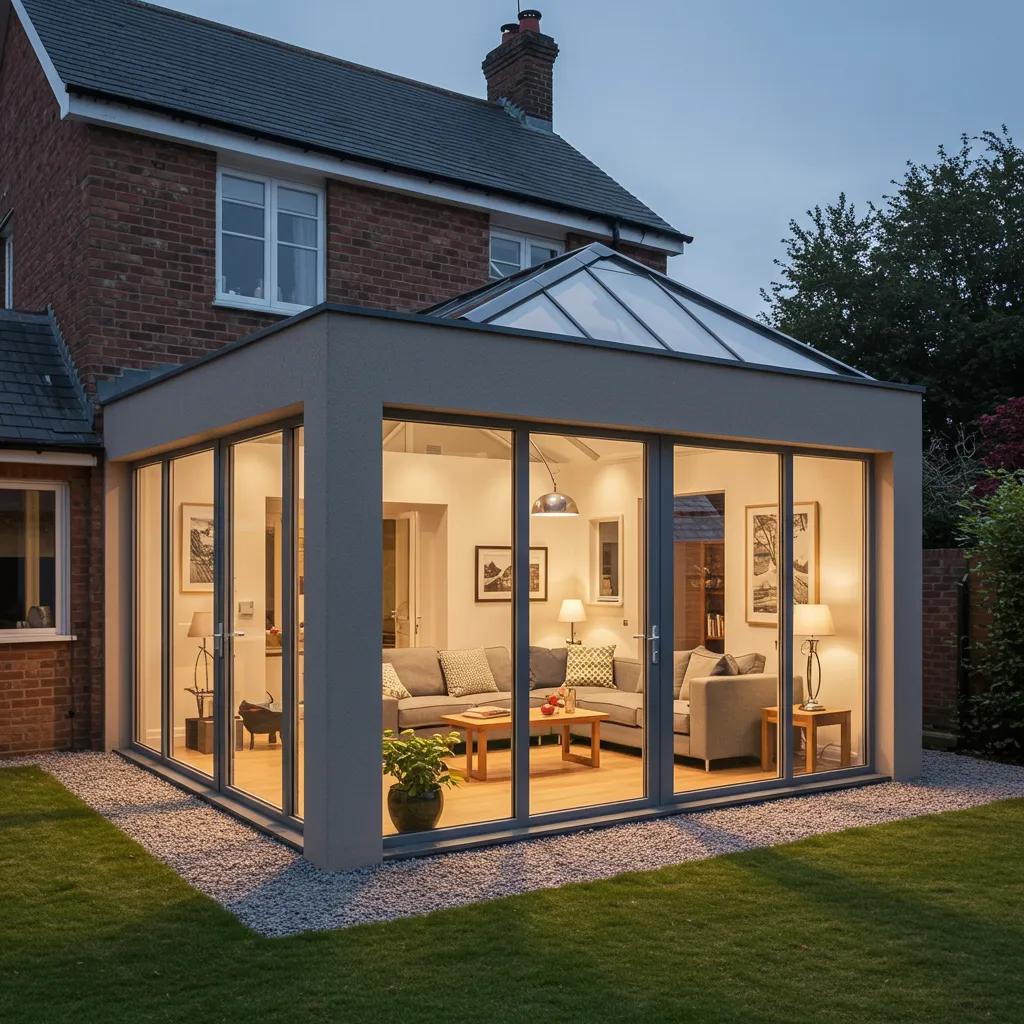
Home Addition Styles to Enhance Your Space: Top Room Addition Ideas and Designs
Adopting innovative room addition styles and trends can transform underutilized areas into functional, beautiful extensions of your home. Many homeowners struggle to find design ideas that seamlessly integrate with existing structures, leading to cramped layouts or mismatched aesthetics. This guide outlines the most popular types of additions, key modern features, planning essentials, room-specific inspirations, and ROI-focused selections. It maps four primary addition categories, explores contemporary design hallmarks and materials, details budgeting and permitting, presents style ideas for kitchens, master suites, and sunrooms, and highlights the highest-value projects.
What Are the Most Popular Types of Room Additions?
Room additions expand living areas, bump-outs carve out cozy niches, second stories multiply usable floorspace, and garage conversions repurpose existing structures for new functions.
The following table outlines the primary room addition types by function and a common example.
| Addition Type | Function | Example |
|---|---|---|
| Room Addition | Expanding living space | Family room extension |
| Second Story Addition | Vertical area increase | New bedroom level |
| Garage Conversion | Adaptive reuse | Home office in former garage |
| Bump-Out Addition | Small footprint projection | Breakfast nook bump-out |
These four addition types cover a spectrum of spatial needs and lifestyle goals, setting the stage for deeper exploration of living space expansions, vertical solutions, and adaptive transformations.
Which Room Additions Best Expand Your Living Space?
- Family room extensions provide an open gathering area for daily activities.
- Dining bump-outs carve dedicated meal spaces without full-scale additions.
- Sunroom additions flood interior spaces with daylight and seasonal views.
- Home offices offer secluded work zones with built-in storage.
These strategies demonstrate how horizontal room additions can tailor living environments to personal needs and comfort.
How Do Second Story Additions Maximize Vertical Space?
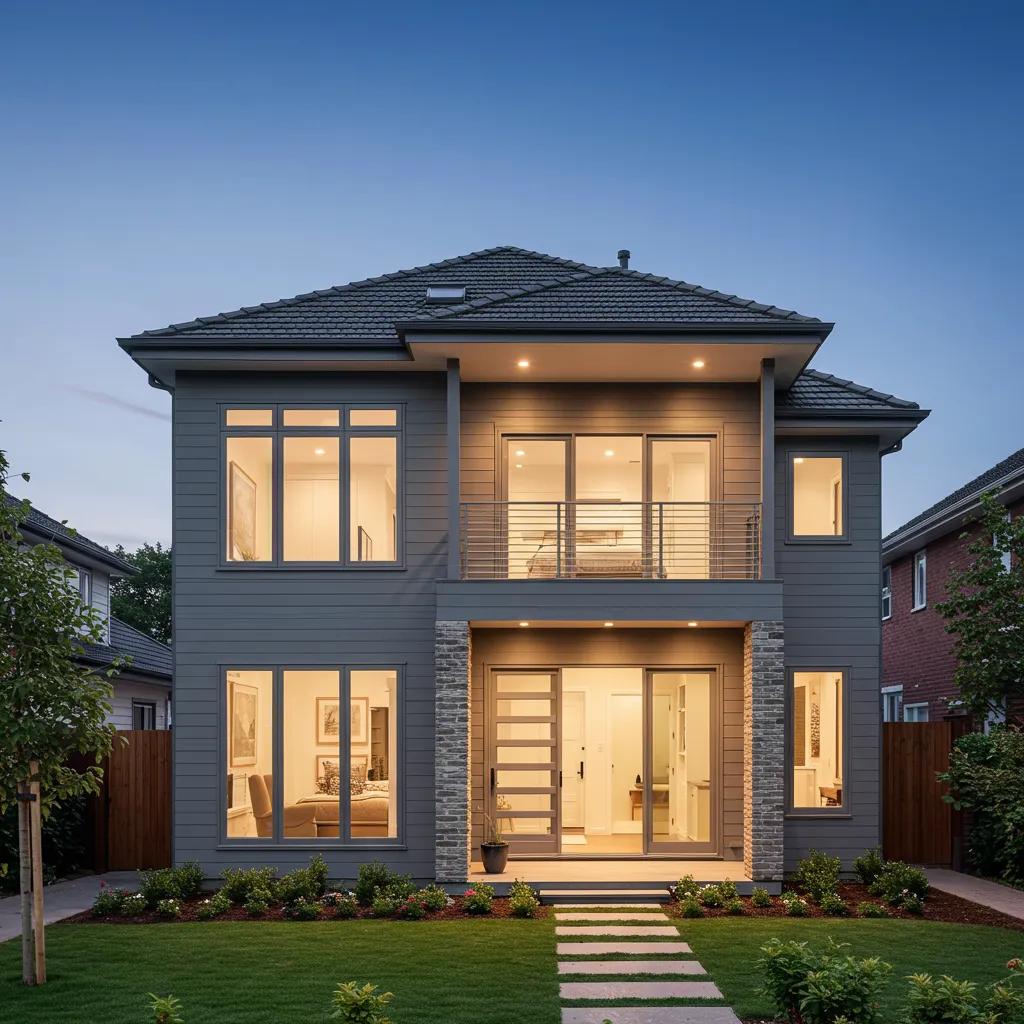
Second story additions add a full new level above the existing structure, effectively doubling usable area without expanding the foundation.
- Adds extra bedrooms or bathrooms atop the main floor.
- Minimizes yard or lot impact by building upward.
- Improves views and natural ventilation at height.
These vertical solutions make efficient use of lot limitations while delivering significant usable area.
What Are the Benefits of Garage Conversions and Bump-Out Additions?
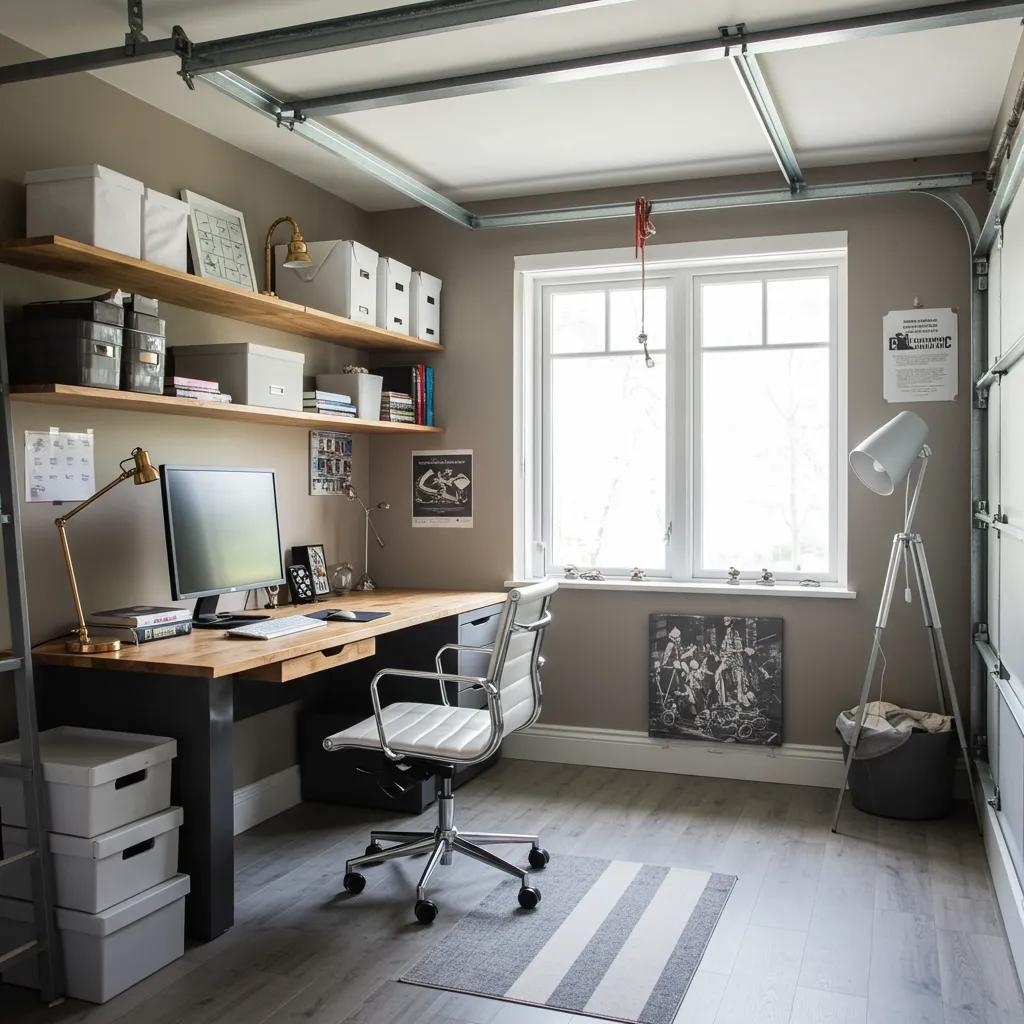
Adaptation and projection options deliver space and value through:
- Converting garages into home gyms, studios, or rental units.
- Bumping out kitchens for pantries or extra seating.
- Creating built-in shelving or window seats in living rooms.
Garage conversions and bump-outs both optimize existing structures to add utility with minimal site disruption.
What Are the Key Features of Modern Home Addition Styles?
Modern home additions emphasize minimalist forms, open layouts, and seamless indoor-outdoor flow.
Modern additions share several defining characteristics:
- Clean rooflines and uncluttered facades reduce visual complexity.
- Open-plan interiors eliminate rigid room separations.
- Neutral palettes and natural materials create calm, cohesive spaces.
How Do Modern Additions Use Clean Lines and Open Concepts?
Clean lines and open concepts manifest through:
- Flat-front cabinetry and minimal trim details.
- Structural beams exposed as design elements.
- Continuous flooring across old and new areas.
This architectural clarity establishes a sense of spaciousness that underpins modern extensions.
Which Materials Define Modern Home Extensions?
Key materials reinforce modern stylistic goals, as shown below.
| Material | Characteristic | Benefit |
|---|---|---|
| Reclaimed Wood | Organic warmth | Softens minimalist spaces |
| Steel | High tensile strength | Enables wide, column-free layouts |
| Large Glass Panes | Transparency | Maximizes natural light |
| Exposed Concrete | Monolithic finish | Provides low-maintenance durability |
How Can You Plan Your Home Addition for Best Results?
Effective planning aligns design ambitions with budget, permits, and professional expertise.
Successful planning revolves around three core pillars:
- Establishing realistic cost estimates based on local rates.
- Securing necessary permits and zoning approvals.
- Engaging architects or contractors early in the process.
Addressing these pillars lays a foundation for budgeting, compliance, and professional collaboration.
What Are Typical Costs and Budgeting Tips for Home Additions?
Home addition costs range from $80 to $200 per square foot, varying by region and complexity.
To manage expenses effectively, consider these budgeting tips:
- Prioritize structural work and weather-proofing before finishes.
- Allocate a 10–15% contingency for unexpected site conditions.
- Compare multiple material and labor quotes for best value.
These budgeting strategies help homeowners maintain financial control throughout the addition process.
Which Permits and Regulations Should You Know?
Building permits, zoning variances, and safety inspections ensure compliance with local codes. Consult the Home Addition Las Vegas – A1 Construction LV team for detailed local code guidance and permit coordination. This approach guarantees adherence to regulations while avoiding delays and fines.
Having addressed legal requirements, the next step is to choose the right contractor or architect.
How Do You Choose the Right Contractor or Architect?
Evaluating professionals involves assessing:
- Proven experience with similar addition projects.
- Licensing, insurance, and local code familiarity.
- Clear communication and project management systems.
These criteria ensure selection of a contractor or architect whose expertise aligns with project goals.
What Are Popular Styles for Specific Room Additions?
Style choices tailor rooms to lifestyle needs, whether for cooking, relaxation, or natural light.
Popular style categories for individual room expansions include:
- Modern or Craftsman kitchen extensions.
- Luxury master suite additions.
- Bright, glazed sunrooms.
These style categories illustrate how design choices adapt to room function and homeowner preferences.
What Are Modern and Craftsman Kitchen Addition Ideas?
Kitchen additions can adopt modern or Craftsman aesthetics through:
- Modern flat-panel cabinetry and integrated appliances.
- Craftsman floating shelves and decorative brackets.
- Streamlined islands with waterfall countertops.
- Built-in pantry cabinets with stained-wood accents.
These kitchen design approaches show flexibility in blending style with culinary workflows.
How Do Master Suite Additions Enhance Comfort and Value?
Master suites enhance comfort and value by offering:
- En-suite bathrooms with dual vanities.
- Walk-in closets and dressing zones.
- Private seating or reading alcoves.
- Direct outdoor access via private balconies.
These features underscore why master suite additions remain a high-ROI project choice.
What Benefits Do Sunroom Additions Offer for Natural Light?
Sunrooms provide benefits such as:
- Panoramic glazing for abundant daylight.
- Thermal-break framing for year-round comfort.
- Integrated skylights or clerestory windows.
- Flexible use as lounges or indoor-garden spaces.
Sunroom additions transform natural light into a central feature of daily living.
Which Home Addition Styles Offer the Best Return on Investment?
Return on investment depends on project type and finishes, with master suites and bathrooms leading the way.
ROI-focused addition styles prioritize:
- Master suite expansions with high-end finishes.
- Bathroom additions featuring durable, low-maintenance materials.
- Second story bedroom wings that add multiple rooms.
Focusing on these high-return projects can maximize financial benefits and homeowner satisfaction.
Why Do Master Suite and Bathroom Additions Add the Most Value?
Master suite and bathroom additions command value by:
- Meeting buyer demand for private, spa-like retreats.
- Leveraging high-quality fixtures that age gracefully.
- Increasing overall livable square footage.
These additions meet buyer expectations for comfort and practicality, driving strong market returns.
How Do Style Choices Impact Property Value and Functionality?
Style choices influence value and usability through:
- Cohesion with neighborhood architectural character.
- Incorporation of energy-efficient windows and insulation.
- Selection of durable materials requiring minimal upkeep.
Selecting styles that resonate with market trends and lifestyle needs enhances both function and resale appeal.
Selecting the right room addition style requires balancing aesthetic goals, functional needs, and budget constraints. Modern trends favor minimalist forms and sustainable materials, while traditional and Craftsman influences remain timeless. Planning ahead with accurate cost estimates, proper permits, and experienced professionals ensures a smooth construction process. Ultimately, well-executed additions not only enrich daily living but also deliver long-term value and satisfaction.