Cost of Home Additions: What to Expect in 2025
Home expansions can transform living space while carrying a significant investment. In 2025, homeowners planning a home addition should understand national average costs, cost-per-square-foot variations, key cost drivers, typical room rates, return on investment benchmarks, and practical budgeting and financing strategies. This guide on the cost of home additions explores:
- Average project costs and per-square-foot comparisons
- Major factors influencing expenses
- Cost breakdowns by addition type
- ROI expectations for various expansions
- Budgeting, saving, and contractor selection tactics
What Is the Average Cost of Home Additions in 2025?

How Much Does a Typical Home Addition Cost?
A typical home addition in 2025 averages $51,000 nationwide. Cost variation depends on square footage, design complexity and finish level. For example, a 400 sq ft ground-floor addition frequently ranges from $32,000 to $80,000 based on materials and labor. Understanding these averages lays the foundation for comparing ground-floor versus second-story expenses.
Average Home Addition Costs
The average cost of a home addition in 2025 is approximately $51,000 nationwide, but this can vary based on factors such as square footage, design complexity, and the level of finish [1]. For instance, a 400 sq ft ground-floor addition can range from $32,000 to $80,000 depending on the materials and labor involved [1].
This information provides a general overview of the costs associated with home additions, which is essential for homeowners planning to expand their living spaces.
What Are the Cost Differences Between Building Out and Building Up?
Building out remains more economical than building up due to reduced structural demands. Ground-floor additions avoid roof modifications and extensive support work, averaging $120 per sq ft, whereas second-story projects can exceed $350 per sq ft. Comparing per-square-foot metrics guides homeowners to the most cost-effective expansion method.
How Does Cost Per Square Foot Vary by Addition Type?
Cost per square foot provides a normalized metric for comparing additions, as room type and finish quality shape prices. For instance, basic sunrooms start near $120/sq ft, while high-end kitchen wings may reach $300/sq ft. These cost variations underscore the importance of selecting the right addition type for budget and value.
| Addition Type | Cost per Square Foot (USD/sq ft) |
|---|---|
| Basic Sunroom | 120–200 |
| Standard Bedroom | 80–160 |
| Bathroom Addition | 150–250 |
| Kitchen Wing | 200–300 |
| Second Story | 300–500 |
These per-square-foot benchmarks help align design ambitions with financial realities.
Which Factors Most Influence the Cost of Home Additions?
How Does the Size and Scope Affect Home Addition Costs?
Square footage and project scale directly dictate material volumes and labor hours, driving overall cost. A compact 200 sq ft bump-out may cost under $25,000, while expanding to 500 sq ft can push budgets past $60,000. Sizing decisions directly influence material volume and labor planning for project budgets.
What Impact Do Materials and Finishes Have on Pricing?
Material grade and finish selections can swing project costs by 30% or more. Premium hardwood flooring, custom millwork and high-efficiency windows carry higher price tags, while standard vinyl flooring and off-the-shelf cabinetry reduce expenses. Choosing finishes with care can optimize both aesthetics and expenses.
How Do Labor and Contractor Fees Contribute to Total Cost?
Labor often represents 40%–60% of a home addition budget, as skilled trades and project management drive these fees. A 500-hour labor requirement at $60/hour totals $30,000 in wages alone. Key trades involved and their typical hourly rates include:
- General contractor coordination: $50–$100/hour
- Carpentry and framing: $40–$80/hour
- Plumbing and electrical: $60–$120/hour
Factors Influencing Home Addition Costs
Several factors significantly influence the cost of home additions, including the size and scope of the project, the materials and finishes selected, and labor and contractor fees [5, 7]. The size of the addition directly impacts material volumes and labor hours, while material choices can affect project costs by 30% or more [5]. Labor often accounts for a significant portion of the budget, typically 40%–60% [5].
Understanding these factors is crucial for homeowners to accurately estimate and manage their home addition budgets.
What Are Typical Permit Costs and Regulatory Requirements?
Permits and inspections ensure compliance but add upfront costs based on project valuation and local codes. Building, electrical and plumbing permits can range from $500 to $3,000 combined. Staying informed on permit requirements prevents unexpected fees and delays.
How Does Geographic Location Affect Home Addition Expenses?
Regional labor rates, material availability and permitting fees create significant cost variation. Coastal metropolitan areas often see ground-floor additions exceed $200/sq ft, while rural regions may average $100/sq ft. Key regional cost tiers include:
- High-cost urban markets: 20%–50% above national average
- Mid-range suburban areas: near national average
- Low-cost rural zones: up to 20% below national average
What Are the Typical Costs for Different Types of Home Additions?
How Much Does a Bedroom Addition Cost?
A bedroom addition averages $80–$160 per sq ft, with limited plumbing and modest finishes keeping budgets lower. A 200 sq ft master suite typically totals $20,000–$32,000. Cost control often comes from standard insulation and basic trim work.
What Is the Cost Range for Bathroom Additions?
Bathroom additions involve plumbing, fixtures and tile work that elevate costs compared to simple rooms. Typical rates include:
- Basic half-bath: $15,000–$25,000
- Full bathroom: $25,000–$50,000
- Luxury bathroom: $50,000–$75,000
Aligning fixture selections and tile quality helps manage these budgets.
How Expensive Is a Kitchen Addition?
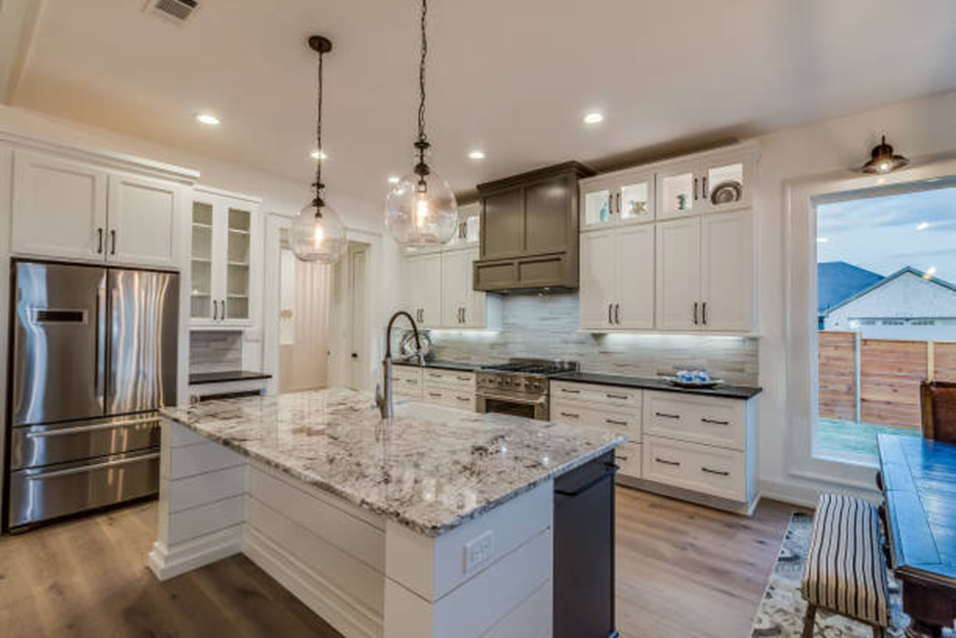
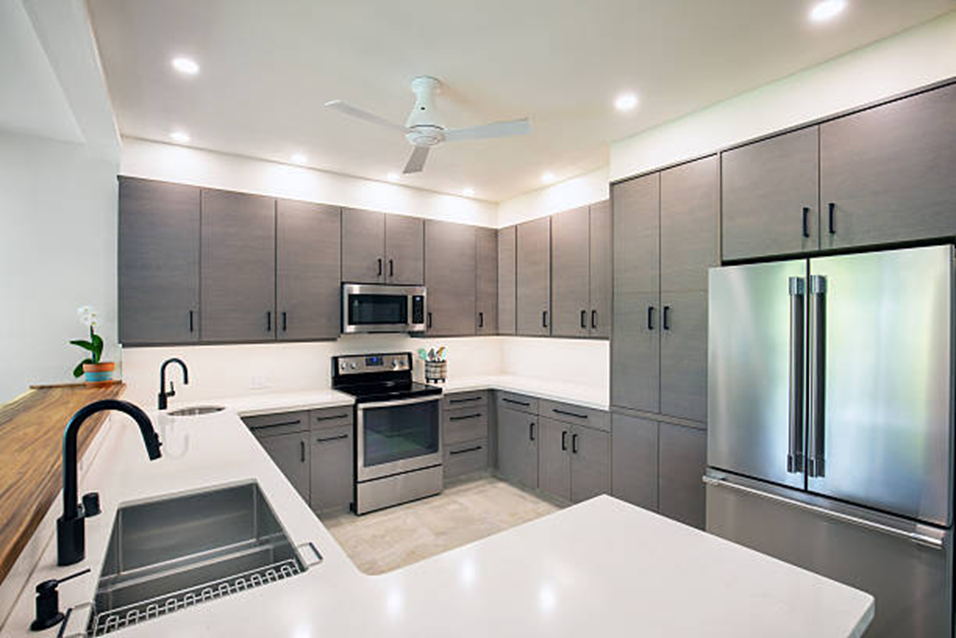
Kitchen expansions typically cost $150–$300 per sq ft due to cabinetry, appliances, plumbing and electrical work. A 200 sq ft kitchen wing can range from $30,000 to $60,000 based on finish level. Balancing appliance upgrades with standard cabinets can optimize costs.
What Are the Costs for Sunroom Additions: 3-Season vs. 4-Season?
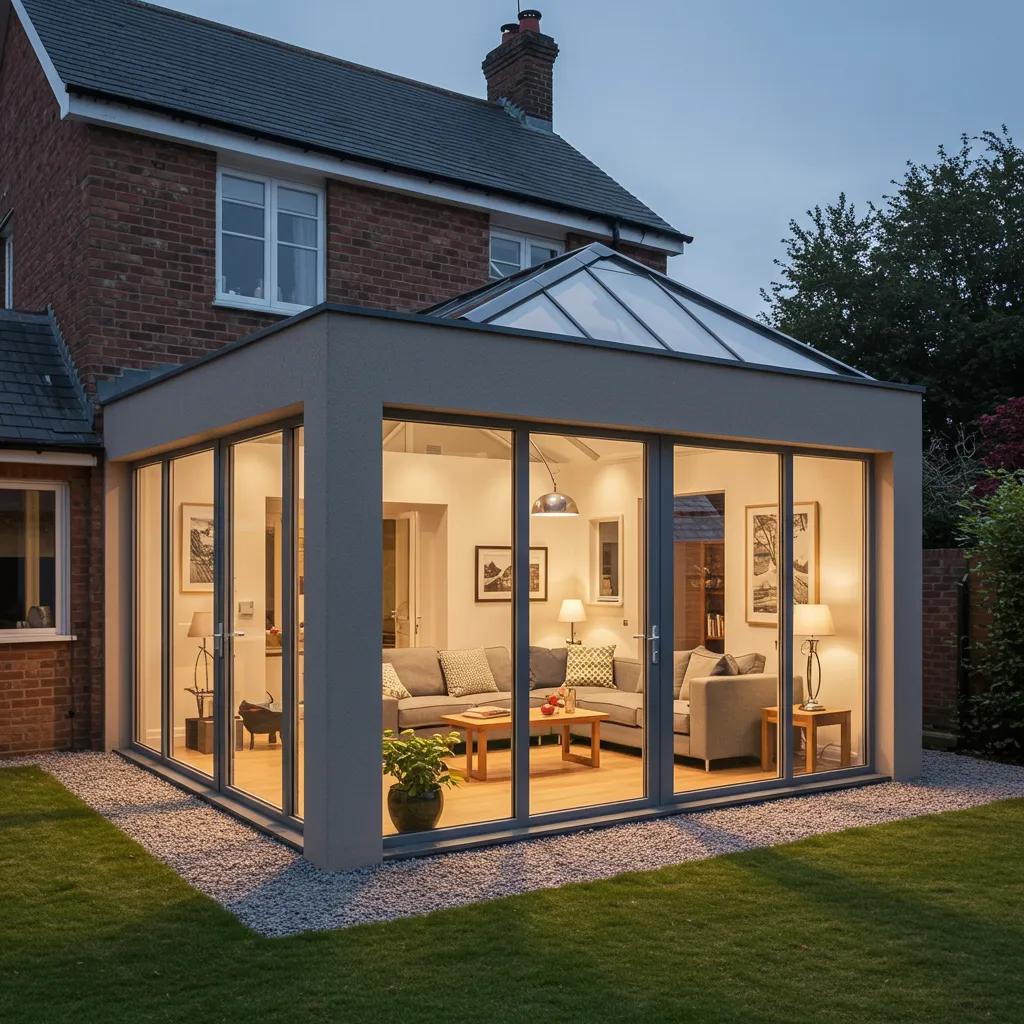
Sunrooms offer light-filled space, with three-season and four-season types differing in insulation and systems. Three-season sunrooms typically start at $25,000, while four-season models with HVAC integration and thermal glazing can reach $60,000.
- Three-season sunroom: $25,000–$40,000
- Four-season sunroom: $45,000–$60,000
Selecting the proper insulation package aligns comfort needs with budget.
How Much Does a Second Story Addition Typically Cost?
Adding a second story averages $300–$500 per sq ft due to structural reinforcements, staircases and roof tie-ins. A 500 sq ft second story often totals $150,000–$250,000. Load-bearing upgrades and design complexity shape final expenses.
What Are the Costs for Garage and Bump-Out Additions?
Garages and bump-outs serve specific functional needs with varying price points. Typical ranges include:
- Attached garage (two-car): $25,000–$50,000
- Detached garage (one-car): $15,000–$30,000
- Bump-out (100 sq ft): $10,000–$30,000
How Can Homeowners Maximize Return on Investment (ROI) from Home Additions?
What Is the Average ROI for Common Home Addition Types?
| Addition Type | Average ROI (%) |
|---|---|
| Kitchen Addition | 50–70 |
| Bathroom Addition | 60–80 |
| Bedroom Addition | 50–60 |
| Sunroom Addition | 30–50 |
| Second Story | 50–60 |
Return on Investment (ROI) for Home Additions
Home additions yield different ROI percentages, guiding investment priorities [16, 17, 19]. Kitchen and bathroom additions often deliver the highest value lift per square foot [17]. Understanding these benchmarks helps homeowners prioritize high-value expansions [16, 17, 19].
This information helps homeowners make informed decisions when planning home additions.
How Do Specific Additions Like Kitchens and Bathrooms Affect Home Value?
Kitchens and bathrooms often deliver the highest value lift per square foot, as they drive buyer appeal and functional flexibility. A midrange bathroom remodel can add back 45% of its cost in resale value, while a modern kitchen expansion may recoup up to 70%. Smart selections of finishes and layouts enhance these returns.
What Long-Term Value and Maintenance Costs Should Be Considered?
Maintenance obligations and operational costs impact net long-term value. HVAC for sunrooms, roof upkeep for second stories and specialized finish care can add annual expenses. Anticipating these costs ensures a realistic view of total ownership beyond initial construction.
How Can You Budget and Save Money on Your Home Addition Project?
What Are Effective Strategies to Get Accurate Home Addition Estimates?
Accurate pre-construction estimates depend on detailed plans and competitive bidding. Effective strategies include:
- Developing precise scope and material specifications
- Obtaining at least three bids from licensed contractors
- Utilizing reputable online cost estimator tools
These steps typically narrow cost variance to within 10%.
Which Financing Options Are Available for Home Additions?
Home additions can be funded through various secured lending options, each with distinct terms. Common financing methods include:
- Home equity line of credit (HELOC) at 4%–6% interest
- Cash-out refinancing with single-loan convenience
- FHA 203(k) renovation loans offering bundled construction funding
Financing Options for Home Additions
Homeowners have various financing options for home additions, including home equity loans, home equity lines of credit (HELOCs), and cash-out refinancing [3, 4, 9]. Personal loans are also an option, especially for those without significant home equity [4, 8]. The best choice depends on the homeowner’s equity, credit profile, and project scope [3].
This information helps homeowners explore different financial avenues to fund their home addition projects.
How Can You Reduce Material and Labor Costs Without Sacrificing Quality?
Strategic sourcing and scheduling can lower expenses while maintaining standards. Cost-saving approaches include:
- Bulk purchasing of materials for volume discounts
- Opting for quality mid-range finishes over premium selections
- Scheduling construction during off-peak seasons for lower labor rates
These tactics can reduce total costs by 10%–15%.
What Should You Look for When Hiring a Home Addition Contractor?
The right contractor balances experience, licensing and clear communication. Homeowners should verify:
- Proper licensing and insurance coverage
- Local project experience and positive references
- A detailed written contract outlining scope and timeline
- Transparent payment schedule tied to project milestones
Choosing a Home Addition Contractor
Selecting the right contractor is crucial for a successful home addition project [11, 12, 13, 14, 15]. Homeowners should verify the contractor’s licensing and insurance, check for local project experience, and obtain multiple bids [11, 12, 13, 14, 15]. It’s also important to assess the contractor’s communication skills and ensure a detailed written contract is in place [11, 13, 15].
This guidance helps homeowners make informed decisions when hiring a contractor, which is essential for a smooth project.
Home additions can transform living space and property value when grounded in realistic cost expectations, strategic design decisions and careful contractor selection. By understanding average fees, cost drivers and ROI benchmarks, homeowners gain confidence in planning expansions that balance ambition with affordability. Leveraging accurate estimates, thoughtful financing and prudent material choices further safeguards budgets and timelines. With informed strategies, each addition becomes a meaningful investment in both functionality and future home equity.