Discover the Average Cost of a Complete Kitchen Remodel in Your Local Area Today
Homeowners often wonder what is the average cost of a complete kitchen remodel in my area and how to plan for a renovation without unexpected expenses. This guide delivers transparent pricing insights, local cost variations, and step-by-step budgeting strategies to help you make informed decisions. You’ll learn national versus local cost ranges, detailed breakdowns of major components, factors that drive pricing in your neighborhood, methods to maximize return on investment, and a realistic project timeline with permit requirements—all grounded in 2025 data and regional expertise.
What Is the Average Cost of a Complete Kitchen Remodel in 2025?
A complete kitchen remodel encompasses structural changes, new finishes, appliances, and labor, with the average cost in 2025 landing around $26,000 to $45,000 nationwide, though local figures can shift substantially based on geography and scope. For example, minor updates may fall below $20,000 while upscale overhauls can exceed $80,000.
What Are the National and Local Cost Ranges for Kitchen Remodels?

Below is a comparison of cost ranges across different scales and regions:
| Region | Cost Range | Typical Project Scope |
|---|---|---|
| National Average | $26,000–$45,000 | Midrange complete remodel |
| Urban High-Cost | $30,000–$80,000+ | Upscale design overhaul |
| Suburban Moderate | $15,000–$30,000 | Full remodel with midrange finishes |
| Rural Budget | $10,000–$20,000 | Basic layout and fixture updates |
Local cost fluctuations reflect labor rates, material availability, and housing market values, leading into how project scope and kitchen size further influence total expenses.
How Do Project Scope and Kitchen Size Affect Remodel Costs?
Project scope and kitchen footprint directly determine resource needs and labor hours.
- Minor Remodels: Cosmetic updates such as refacing cabinets and new paint typically cost $10,000–$20,000.
- Midrange Remodels: Replacing cabinets, countertops, flooring, and midlevel appliances ranges from $25,000–$50,000.
- Major Overhauls: Layout changes, custom cabinetry, premium materials, and high-end appliances can exceed $80,000.
Larger floor plans require more flooring, cabinetry, and wiring, which elevates costs proportionally.
Which Kitchen Remodel Components Contribute Most to the Total Cost?
A few key elements often account for the bulk of expenses:
- Cabinets (29 percent of total)
- Countertops (11 percent)
- Flooring (7 percent)
Breaking down these numbers helps prioritize where to allocate the bulk of your budget.
How Much Does a Kitchen Remodel Cost in 2025?
Understanding these major contributors sets the stage for a deeper cost breakdown by component category.
How Is the Kitchen Remodel Cost Broken Down by Major Components?
Breaking down costs by component offers clarity on where your budget is allocated and where you can adjust choices for savings or upgrades.
What Are the Typical Costs for Cabinets, Countertops, and Flooring?
| Component | Average Cost Range | Budget Share |
|---|---|---|
| Cabinets | $7,800–$15,000 | 29% |
| Countertops | $3,000–$6,000 | 11% |
| Flooring | $1,500–$4,000 | 7% |
Focusing on these core elements helps allocate funds effectively for both aesthetics and functionality.
How Much Do Labor and Installation Costs Usually Account For?
Labor typically represents 20–40 percent of the total remodel budget.
- General contractor fees cover project management, scheduling, and coordination.
- Specialized trades (plumbing, electrical, cabinetry installation) each carry distinct hourly or flat rates.
This labor investment ensures professional workmanship and adherence to building codes.
What Are the Average Expenses for Appliances, Lighting, and Plumbing?
Secondary components round out the project cost:
- Appliances: $4,500–$8,000 (17 percent)
- Lighting fixtures and installation: $1,000–$4,000 (6 percent)
- Plumbing (fixtures and installation): $800–$3,000 (5 percent)
Balancing quality and price in these areas can improve both functionality and resale value.
What Factors Influence Kitchen Remodel Costs in Your Local Area?
Regional variables shape your specific investment requirements, with local labor rates, material delivery costs, and permitting fees playing key roles.
How Do Geographic Location and Local Labor Rates Affect Pricing?
Local labor rates and material logistics drive cost variations. In high-cost cities, hourly trade rates can exceed $75–$100, whereas smaller towns often see rates around $40–$60 per hour. For specialized services or design consultation, those rates may climb further. To explore region-specific offerings, consider resources like Kitchen Remodeling Las Vegas – A1 Construction LV, which detail localized pricing and service options.
Geographic cost differences emphasize the importance of obtaining multiple local bids before finalizing your budget.
What Role Do Material Quality and Design Complexity Play?
Material selections and custom designs influence both the final look and price:
- Premium finishes (natural stone, custom cabinetry) demand higher per-unit costs.
- Intricate layouts or unique architectural features add labor hours and specialized installation fees.
- Standard versus custom fixtures can double or triple component expenses.
Selecting midrange materials and simplifying design details can streamline costs without sacrificing style.
When Are Permits Required and How Do They Affect Costs?
Building permits are generally mandatory for structural changes, electrical rewiring, and plumbing reroutes.
- Building permit: $200–$1,200 depending on project size
- Electrical permit: $75–$400
- Plumbing permit: $50–$300
Permit fees and inspection schedules add both time and budget considerations to your remodel plan.
How Can Homeowners Maximize ROI and Budget Efficiency in Kitchen Remodels?
Investing strategically in upgrades can boost home value while keeping expenses under control.
What Kitchen Upgrades Offer the Best Return on Investment?
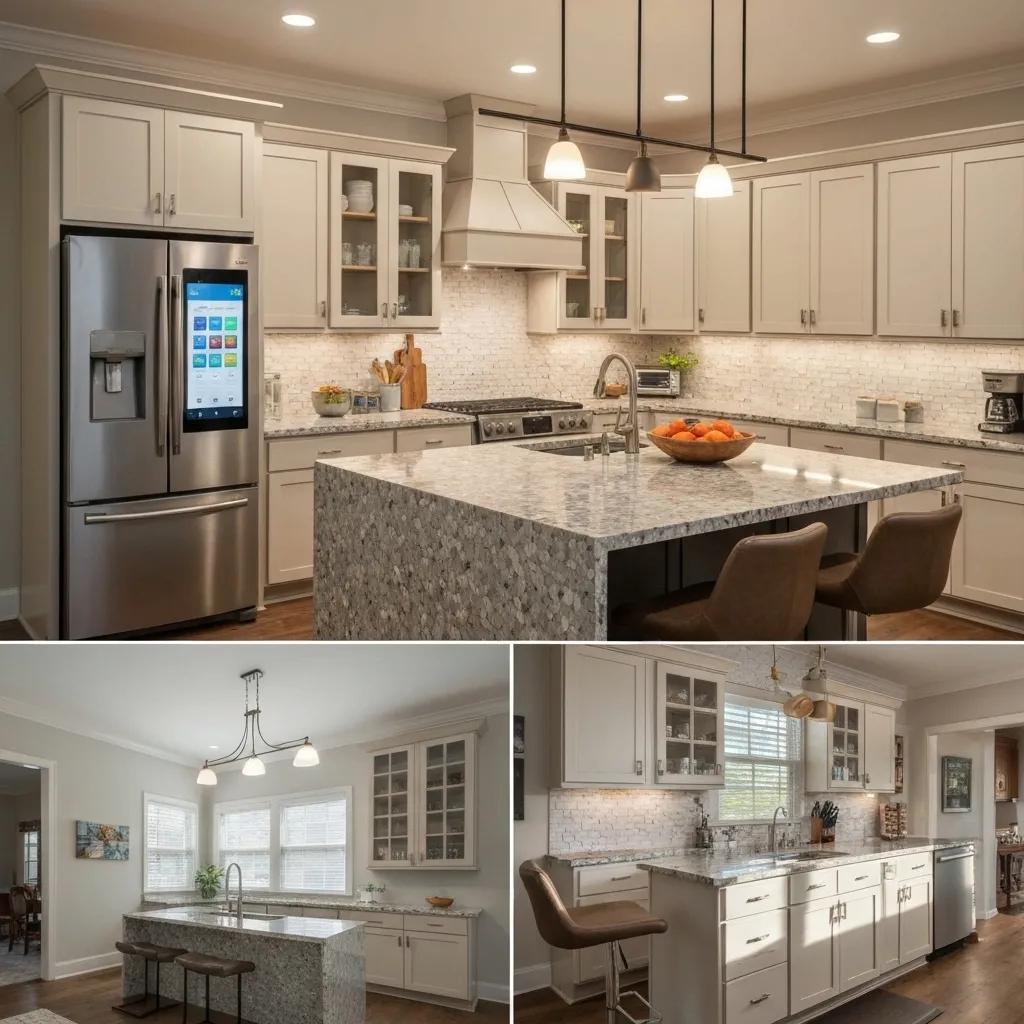
The most cost-effective enhancements deliver visible impact and home equity gains:
- Cabinet refacing or repainting can recoup up to 92 percent of cost.
- Energy-efficient appliances often yield a 70–80 percent ROI through utility savings and buyer appeal.
- Minor layout tweaks (adding an island or improving traffic flow) typically return 75 percent of the spend.
Kitchen Remodel ROI 2025: Maximize Your Home Value Smartly
Focusing on these improvements supports both enjoyment and property value.
How Can You Save Money Without Sacrificing Quality?
Effective cost-saving strategies include:
- Reusing or refinishing existing cabinets and fixtures.
- Choosing midrange materials with durable warranties.
- Bundling multiple trades into a single contractor package for negotiated rates.
Smart budgeting choices help preserve quality while reducing overall project spend.
What Financing Options Are Available for Kitchen Remodels?
Homeowners commonly finance renovations through:
- Home equity loans or lines of credit (HELOC) with lower interest rates.
- Personal loans offering fixed repayment schedules.
- Contractor financing programs that bundle interest into the project cost.
Selecting the right financial product aligns payment terms with your long-term budget.
How Long Does a Complete Kitchen Remodel Take and What Are the Permit Requirements?
A realistic timeline and permit strategy keep your project on schedule and compliant.
What Is the Typical Timeline from Planning to Completion?
- Planning and design: 2–4 weeks
- Permitting and approvals: 3–6 weeks
- Demolition and rough-in: 1–2 weeks
- Installation and finishing: 4–8 weeks
Total duration ranges from 8 to 16 weeks depending on project complexity.
Which Permits Are Commonly Needed for Kitchen Remodels?
Permits ensure safety and code compliance for:
- Structural modifications
- Electrical rewiring
- Plumbing rerouting
Obtaining the correct permits prevents costly delays and re-inspection fees.
How Can You Obtain Permits in Your Local Area?
- Contacting your municipal building department.
- Submitting detailed plans and contractor information.
- Paying required fees.
- Scheduling inspections at key milestones.
Understanding local requirements upfront streamlines approval and avoids work stoppages.
Renovating a kitchen represents a significant investment, but with clear cost estimates, strategic selections, and local expertise, homeowners can achieve stunning results on budget and schedule. By comparing national averages, breaking down component expenses, accounting for regional factors, and applying cost-saving and financing tactics, you’ll navigate your remodel with confidence—and enjoy a kitchen that maximizes both function and return on investment.