
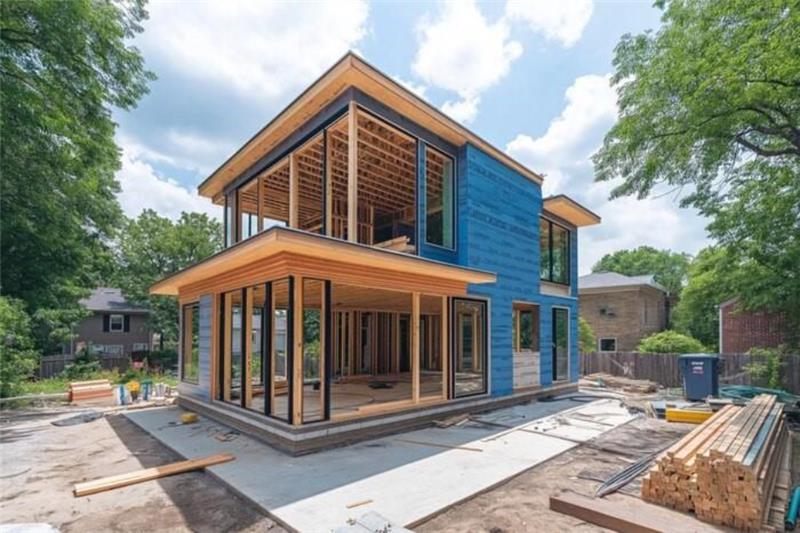
Expanding your home is one of the most effective ways to improve both functionality and long-term property value, particularly in a rapidly growing city like Las Vegas. As housing demand continues to rise and property prices increase, many homeowners are choosing to expand rather than relocate. Understanding the average cost of a home addition in Las Vegas in 2026 allows you to plan strategically, avoid financial surprises, and ensure your investment aligns with your lifestyle goals.
Home additions can range from simple room expansions to complex structural builds like second stories or accessory dwelling units. Each type comes with its own pricing considerations, timelines, and design challenges. Working with experienced professionals like A1 Construction & Remodeling ensures that every stage of your project is handled with precision and compliance.
Why Home Additions Are Popular in Las Vegas
Home additions have become increasingly common in Las Vegas due to several economic and lifestyle factors that influence homeowner decisions.
First, rising property prices make purchasing a larger home less practical for many families. Instead of entering a competitive real estate market, homeowners are choosing to invest in their current property. This allows them to retain their location while gaining the space they need.
Second, limited housing inventory has made it more difficult to find homes that meet specific requirements. A home addition gives you full control over design, layout, and functionality.
Additionally, lifestyle changes such as remote work, multigenerational living, and the need for rental income have increased demand for customized living spaces. For example, many homeowners now want dedicated home offices or independent living units.
If you are considering expanding your property, exploring home additions Las Vegas can help you understand the possibilities available in your area.
A1 Construction & Remodeling has worked with homeowners across Las Vegas to design additions that meet both practical needs and long-term investment goals.
Key Factors That Influence Home Addition Costs
1. Size and Scope of the Project
The size of your addition is one of the most significant cost drivers. Larger additions require more materials, labor, and time, which increases the overall budget. However, larger projects may benefit from slightly reduced costs per square foot due to efficiency in labor and bulk material purchasing.
Scope also includes the complexity of the project. For example, adding a simple rectangular room is much less expensive than building a multi-room extension with plumbing, electrical systems, and custom architectural features.
A1 Construction & Remodeling works closely with clients to define the scope early in the planning phase, ensuring accurate cost projections.
2. Type of Addition
Different types of home additions involve varying levels of structural work, which directly impacts cost.
A basic bedroom addition is typically more affordable because it requires minimal plumbing and mechanical work. In contrast, kitchen and bathroom additions are more expensive due to the need for water lines, drainage systems, and specialized fixtures.
If you are considering a garage conversion Las Vegas, this option can be more cost-effective because it utilizes an existing structure. However, modifications such as insulation, flooring, and ventilation are still required.
3. Materials Used
Material selection plays a crucial role in determining the final cost of your home addition. Standard materials are more budget-friendly and widely available, making them a practical choice for many homeowners.
On the other hand, premium materials such as hardwood flooring, custom cabinetry, and high-end fixtures can significantly increase costs. While these materials enhance durability and aesthetics, they should be chosen carefully to align with your budget.
A1 Construction & Remodeling helps clients evaluate material options to achieve a balance between quality and affordability.
4. Labor Costs
Labor costs in Las Vegas have increased in recent years due to high demand for skilled construction professionals. Hiring a qualified room addition contractor Las Vegas ensures that your project is completed safely and efficiently.
Experienced contractors may charge higher rates, but they help prevent costly mistakes, delays, and compliance issues. Investing in skilled labor often results in better long-term value.
5. Permits and Regulations
Permits are a necessary part of any home addition project in Las Vegas. The cost of permits depends on the size and complexity of the project, as well as local zoning requirements.
Failing to obtain proper permits can result in fines, delays, or even the need to redo completed work. Working with a licensed home improvement contractor Las Vegas ensures that all legal requirements are met.
A1 Construction & Remodeling manages the permitting process, reducing stress for homeowners.
6. Design Complexity
The complexity of your design significantly affects both cost and timeline. Custom features such as vaulted ceilings, large windows, or unique layouts require additional engineering and construction expertise.
More complex designs also involve longer planning phases and higher architectural costs. Keeping the design simple can help reduce expenses while still achieving functional improvements.
Types of Home Additions and Their Costs
Room Additions
Room additions are one of the most straightforward ways to expand your home. These projects typically include adding bedrooms, offices, or living spaces.
They are popular because they offer flexibility and can be tailored to meet specific needs. Working with a professional ensures that the new space integrates seamlessly with the existing structure.
A1 Construction & Remodeling frequently handles room additions that enhance both comfort and property value.
Garage Conversions
Garage conversions are an efficient way to repurpose unused space. Instead of building a new structure, homeowners can transform their garage into a functional living area.
Common uses include guest rooms, home offices, or rental units. A properly executed garage conversion Las Vegas project can significantly increase usable space without the cost of new construction.
Accessory Dwelling Units (ADUs)
ADUs are self-contained living units that can be used for rental income or housing extended family members. These units include kitchens, bathrooms, and separate entrances.
Hiring an experienced ADU builder Las Vegas ensures that the unit meets all building codes and functions independently from the main house.
Second-Story Additions
Second-story additions are ideal for homeowners who want to expand without increasing their home’s footprint. However, these projects are more complex and require structural reinforcement.
They often involve higher costs due to engineering requirements and extended construction timelines.
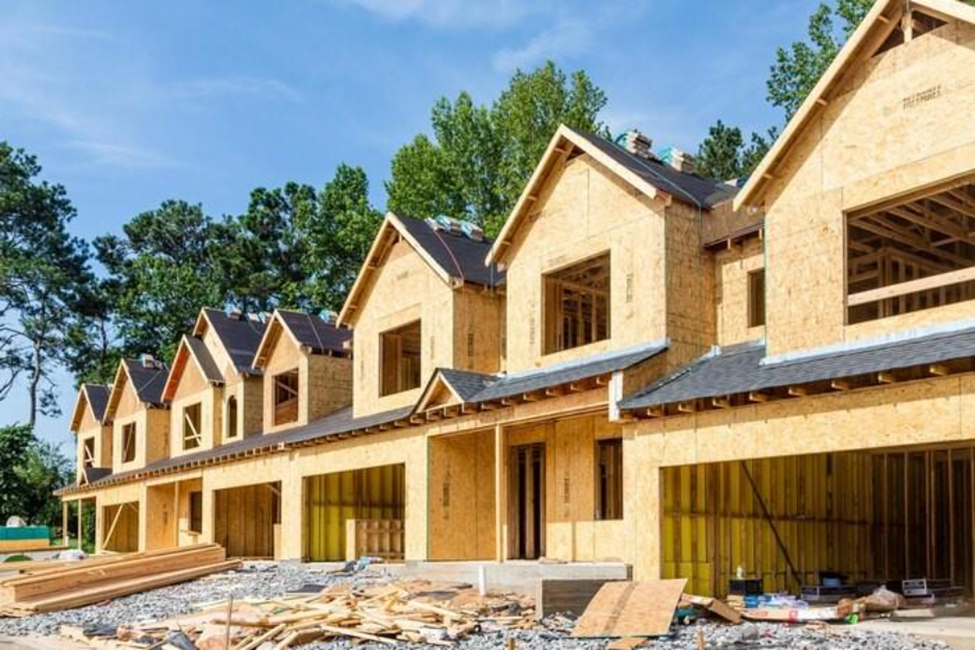
Cost Breakdown of a Home Addition
Understanding how your budget is distributed helps you make informed decisions.
Cost Component | Percentage of Total Cost |
Labor | 30% – 50% |
Materials | 30% – 40% |
Design and Planning | 5% – 10% |
Permits | 5% – 10% |
Miscellaneous | 5% – 10% |
A1 Construction & Remodeling provides transparent cost breakdowns, ensuring there are no hidden surprises.
Hidden Costs to Consider
Even with careful planning, unexpected expenses can arise during construction. These may include structural repairs, outdated electrical systems, or plumbing upgrades.
Older homes, in particular, may require additional work to meet modern building codes. HVAC system extensions and insulation improvements can also add to the total cost.
Planning a contingency budget helps you handle these unexpected expenses without disrupting your project.
Benefits of Investing in a Home Addition
- Increased Property Value: A well-designed home addition can significantly increase your property’s market value. Buyers are often willing to pay more for homes with additional living space and modern features.
- Enhanced Living Space: Home additions allow you to customize your living environment according to your needs. Whether you need more space for family members or a dedicated workspace, additions provide flexibility.
- Rental Income Opportunities: Adding an ADU or converting a garage can create a steady source of rental income. This can help offset construction costs over time.
How to Plan Your Home Addition Budget
Step 1: Define Your Goals
Clearly identifying your goals helps guide the entire project. Whether you are building for personal use or investment purposes, your objectives will influence design and budget decisions.
Step 2: Consult Professionals
Consulting with experts like A1 Construction & Remodeling ensures that your plans are realistic and achievable. You can reach out through their contact page to begin the process.
Step 3: Research and Compare Options
Reviewing different design ideas and cost estimates helps you make informed decisions. The blog section provides valuable insights into home improvement trends.
Step 4: Set a Realistic Budget
Establishing a clear budget with a contingency fund ensures that your project remains financially manageable.
Why Choosing the Right Contractor Matters
Selecting the right contractor is critical to the success of your home addition. A qualified contractor ensures that all work meets safety standards and building codes.
A1 Construction & Remodeling has extensive experience managing projects from planning to completion, ensuring quality results.
Timeline for a Home Addition Project
Project Phase | Estimated Duration |
Planning & Design | 2 – 6 weeks |
Permits | 2 – 8 weeks |
Construction | 2 – 6 months |
Timelines may vary depending on project complexity and external factors.
Tips to Reduce Home Addition Costs
Reducing costs requires careful planning and smart decision-making. Choosing standard designs, sourcing materials wisely, and avoiding unnecessary upgrades can help control expenses.
Working with experienced professionals like A1 Construction & Remodeling ensures efficient use of resources.
Call to Action
If you are planning a home addition, working with experienced professionals can make all the difference. A1 Construction & Remodeling provides expert guidance tailored to your needs.
Visit their homepage or use their contact page to start planning your project today.
Conclusion
The average cost of a home addition in Las Vegas in 2026 depends on various factors, including size, materials, and project complexity. By understanding these factors and working with experienced professionals like A1 Construction & Remodeling, homeowners can achieve successful and cost-effective results.
Frequently Asked Questions
What is the average cost per square foot for a home addition in Las Vegas?
Costs typically range from $150 to $500 per square foot, depending on the design and materials used.
Is a garage conversion cheaper than a home addition?
Yes, garage conversions are generally more affordable because they use an existing structure.
How long does a home addition take to complete?
Most projects take between 2 to 6 months, depending on complexity.
Do I need permits for a home addition in Las Vegas?
Yes, permits are required to ensure compliance with local regulations.
How can I reduce the cost of my home addition?
You can reduce costs by planning ahead, choosing standard designs, and working with experienced contractors.