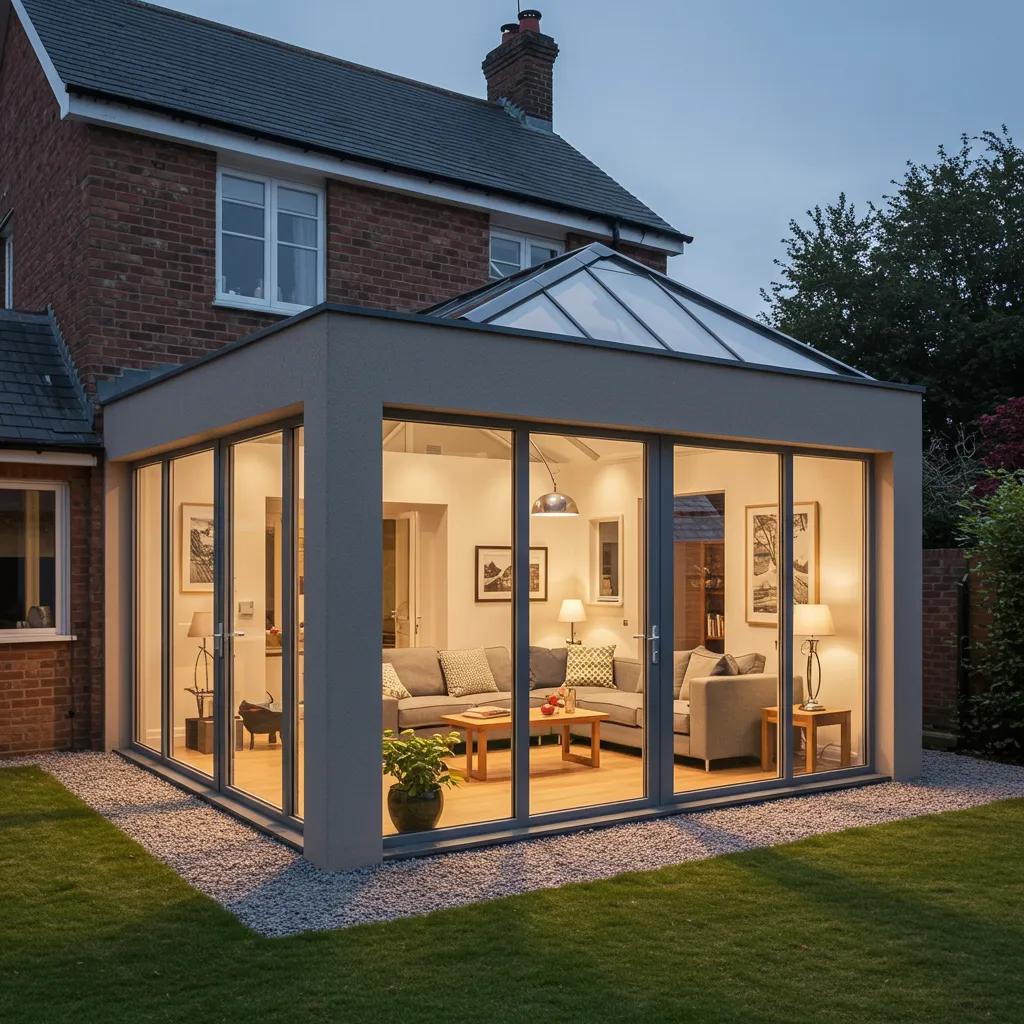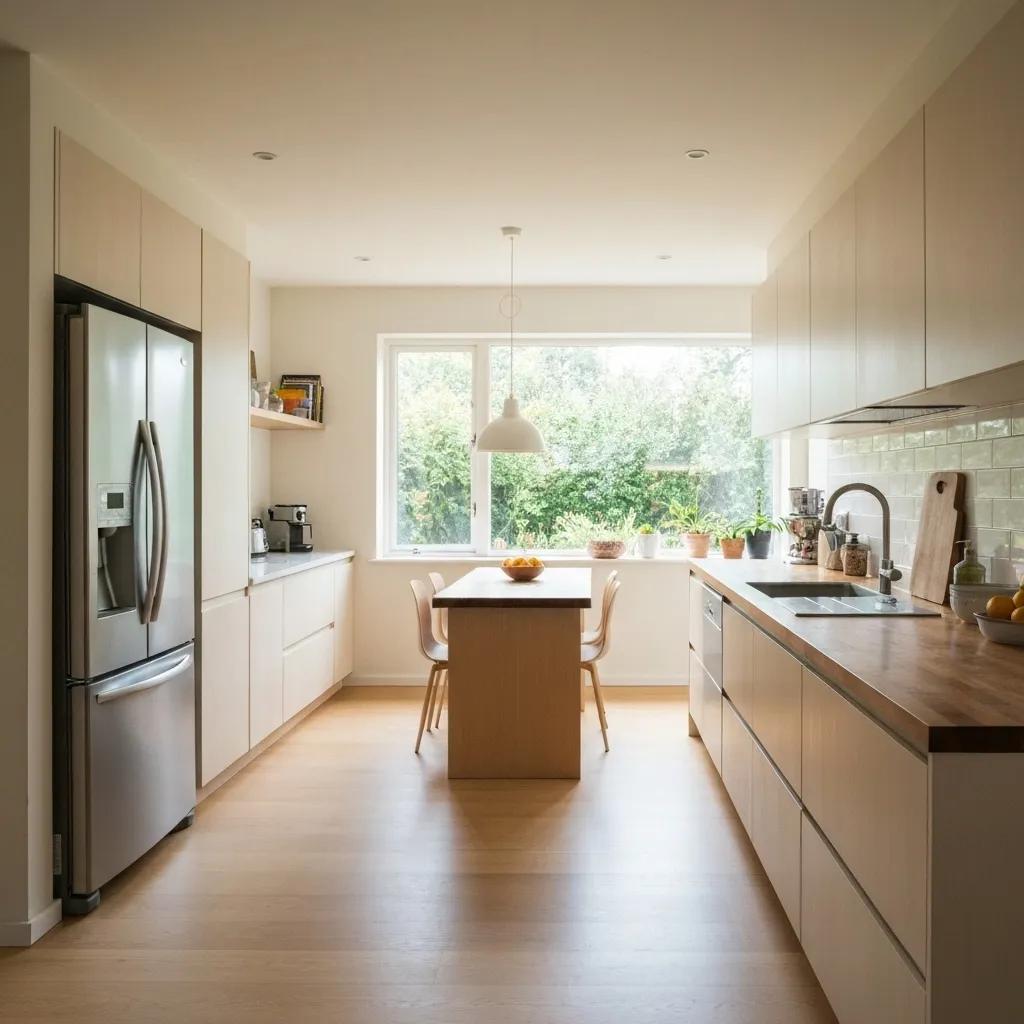
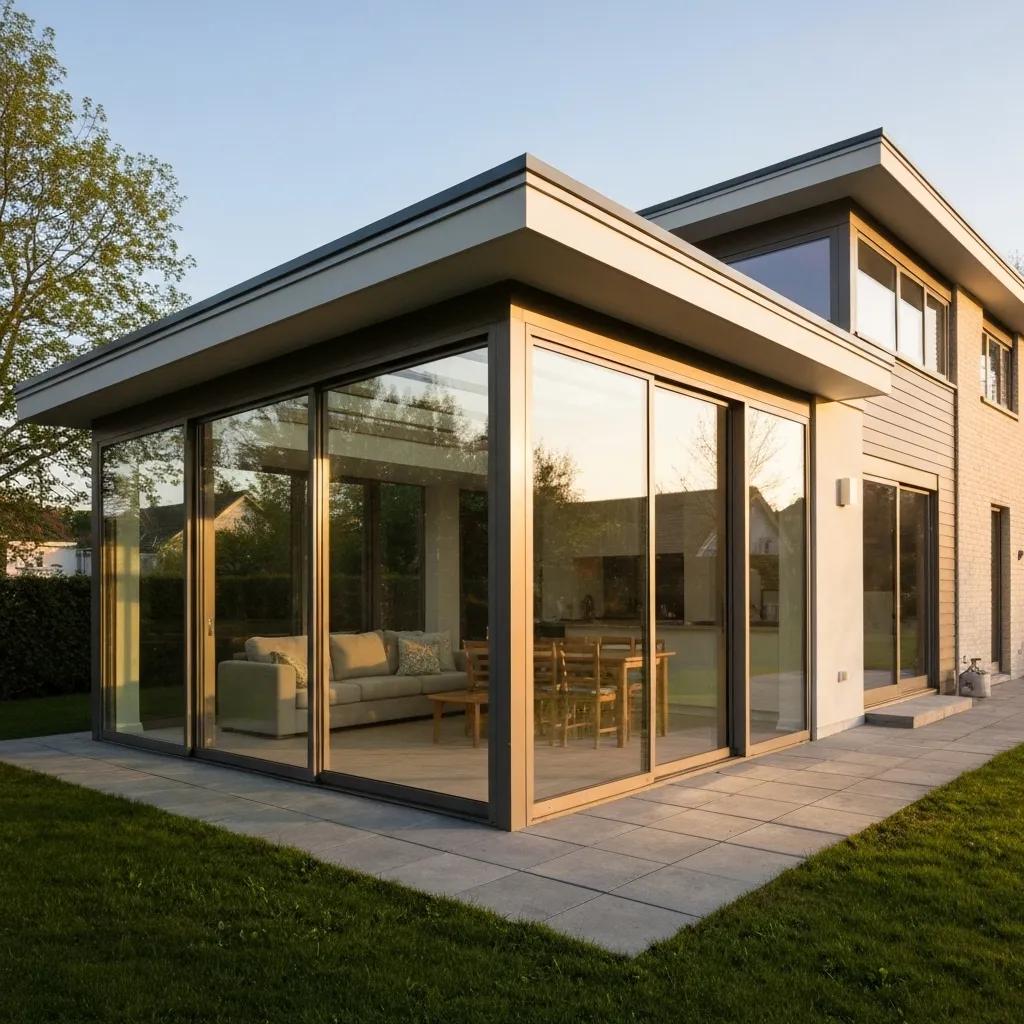
How to Effectively Plan Your Home Addition: A Step-by-Step Home Addition Planning Guide
A well-planned home addition can boost property value by up to 20%, preventing cost overruns and schedule delays. This guide reveals how to plan a home addition by defining clear goals, accurately estimating budget, selecting an appropriate design, navigating permits and contractor selection, and managing construction and materials. Homeowners will gain actionable steps for vision setting, cost analysis, aesthetic integration, legal compliance, contractor hiring, and project oversight—ensuring a seamless expansion from concept to completion.
What Are the First Steps to Planning a Successful Home Addition?
Initial planning clarifies project scope by defining objectives, evaluating existing structure, and prioritizing needs versus wants to deliver a functional, value-adding space. A structured approach reduces uncertainty and aligns stakeholders before design and permits.
- Define project purpose and desired square footage.
- Inspect structural capacity, foundation, and roof lines.
- List essential functions and optional features.
Early goal definition establishes decision criteria for budgeting and design phases, paving the way to accurate cost estimation.
How Do You Define Your Home Addition Goals and Vision?
Defining goals and vision means articulating the addition’s primary function—whether it’s a bedroom expansion, home office, or living room—to guide all subsequent decisions. For example, specifying a master suite addition with en-suite bath focuses the design on privacy and plumbing connections. Clear vision ensures every design choice, material selection, and permit application directly serves intended use.
How Can You Assess Your Current Home’s Structure for an Addition?
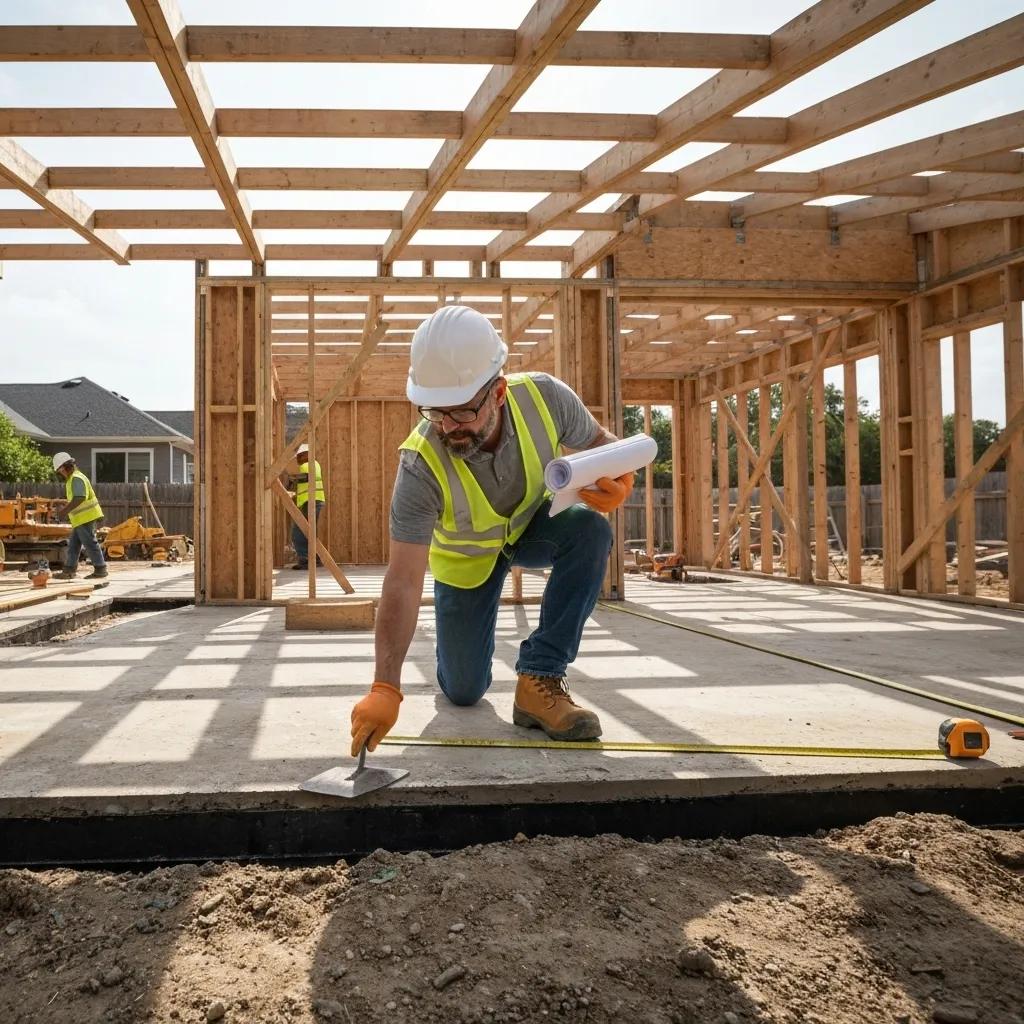
Assessing structure involves engaging a qualified inspector or structural engineer to evaluate load-bearing walls, foundation capacity, and roof framing. This assessment identifies reinforcement needs, preventing costly redesigns. By understanding existing conditions, homeowners can adjust square footage goals and integrate new load paths seamlessly.
How Do You Prioritize Needs Versus Wants in Your Addition Plan?
Prioritizing needs versus wants requires ranking features by their impact on functionality and resale value. For instance, adding insulation or energy-efficient windows may outrank a built-in entertainment center in long-term benefit. A simple matrix—listing features with cost estimates and utility scores—ensures budget focus on essentials before luxury upgrades.
How Do You Estimate the Cost and Budget for Your Home Addition?
Accurate cost estimation combines itemized expense categories, contingency planning, and funding strategies to create a realistic budget. Understanding cost drivers prevents surprises and underfunding before construction begins.
What Are the Typical Costs Involved in Planning a Home Addition?
Below is an overview of primary cost categories and their influence on your budget planning process.
| Cost Category | Typical Range | Influence on Budget |
|---|---|---|
| Design & Architecture | $5,000–$15,000 | Shapes aesthetics and structural plans |
| Permits & Fees | $1,500–$5,000 | Ensures code compliance and approvals |
| Materials & Labor | $50,000–$150,000 | Accounts for framing, finishes, and installation |
| Contingency Reserve | 10–15% of total budget | Protects against unforeseen site conditions |
This breakdown guides homeowners in allocating funds strategically before exploring financing and ROI calculations.
Home Addition Costs
Which Financing Options Are Available for Home Additions?

Homeowners can choose from several funding methods to support a home addition:
- Home Equity Line of Credit (HELOC) provides flexible, revolving credit based on equity value.
- Construction loans offer short-term funding, converting to a mortgage upon project completion.
- Cash-out refinance replaces an existing mortgage with a larger loan, unlocking funds at current rates.
Selecting the appropriate instrument balances interest rates, repayment flexibility, and tax implications to match project scope.
How Can You Calculate the Return on Investment (ROI) for Your Addition?
Estimating ROI involves comparing total addition cost against expected increase in home resale value. A formula might be:
ROI = (Projected Market Value Increase ÷ Total Project Cost) × 100%
For example, a $100,000 bedroom addition that raises home value by $70,000 yields a 70% ROI—informing decisions on scope and finish levels.
What Design Considerations Should You Know for Your Home Addition?
Design considerations balance functionality, aesthetics, and harmony with the existing structure to ensure the addition feels integral and enhances usability.
How Do You Choose the Right Design Style for Your Home Addition?
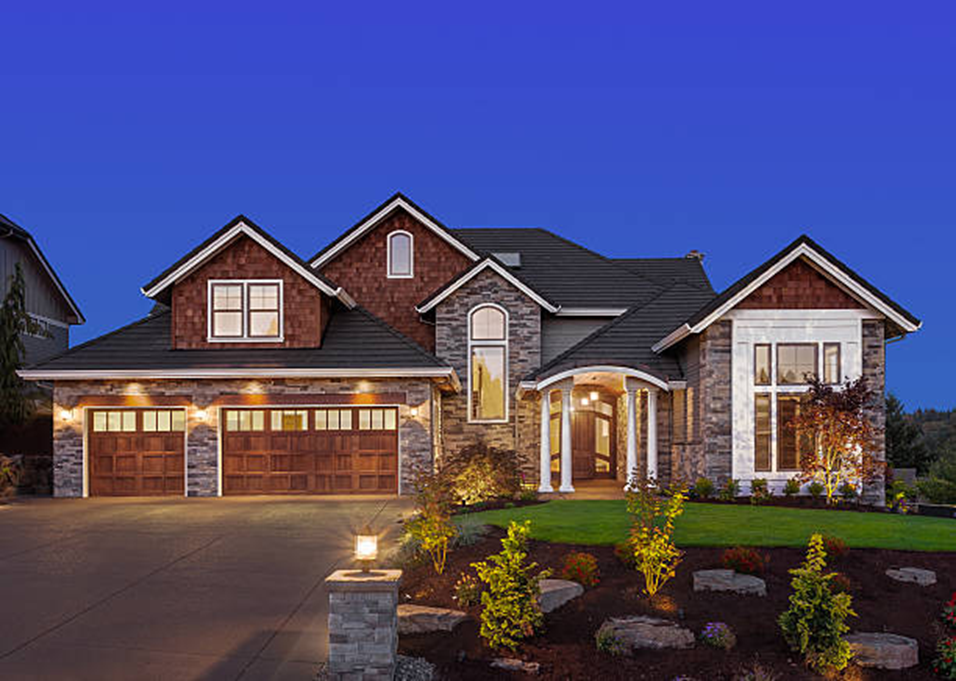
Choosing a design style involves matching architectural features—roof pitch, window proportions, siding materials—to the original home. Popular styles include Craftsman, Modern Farmhouse, and Contemporary. Consistency in rooflines and exterior finishes promotes seamless visual integration and elevates curb appeal.
When and Why Should You Work with an Architect or Designer?
Engaging an architect or designer early delivers tailored blueprints that comply with building codes and optimize space. Architects translate vision into detailed construction documents, coordinate with engineers, and anticipate structural challenges—minimizing change orders during construction.
How Do You Integrate the New Addition with Your Existing Home Structure?
Integration requires aligning floor heights, extending HVAC and plumbing systems, and matching exterior details. Tying new framing into existing load-bearing elements and replicating trim profiles ensures a cohesive transition between old and new spaces.
How Do You Navigate Permits, Regulations, and Hiring Contractors?
Securing proper approvals and selecting qualified professionals safeguards legal compliance and construction quality from start to finish.
What Permits and Zoning Laws Are Required for Home Additions?
Home additions typically require:
- Building permit for structural changes and electrical or plumbing work
- Zoning clearance to confirm lot coverage and setback compliance
- Mechanical permits for HVAC modifications
Home Addition Permits
How Do You Obtain Building Permits Step-by-Step?
- Submit detailed architectural plans to local building department.
- Pay application and review fees.
- Respond to plan review comments and revise drawings if necessary.
- Receive permit approval and post permit at the job site.
Following this process streamlines regulatory approval and establishes an inspection schedule.
What Should You Look for When Hiring a Home Addition Contractor?
Homeowners should vet contractors by verifying licensing, insurance status, and past project portfolios. Check references and request proof of liability coverage. For trusted local expertise, explore reputable providers such as Las Vegas home addition services, which offer comprehensive project management from design through final inspection.
What Key Contract Clauses and Warranties Should You Understand?
A robust construction contract should include:
- Scope of work with detailed line items
- Payment schedule linked to project milestones
- Warranty terms covering workmanship and materials
- Change order procedures and associated cost impacts
Clear contract terms protect homeowners and contractors by defining responsibilities and recourse.
How Do You Manage the Construction Phase and Material Selection?
Effective management and informed material choices maintain schedule, quality, and budget control during the build.
What Is a Typical Home Addition Construction Timeline?
A phased timeline generally unfolds as follows:
| Phase | Duration | Key Activities |
|---|---|---|
| Site Preparation | 1–2 weeks | Demolition, grading, temporary utilities |
| Foundation & Framing | 2–4 weeks | Footings, foundation walls, structural framing |
| Rough-In Systems | 2–3 weeks | Plumbing, electrical, HVAC ductwork |
| Finishes & Fixtures | 3–5 weeks | Insulation, drywall, flooring, paint |
| Final Inspection | 1 week | Building department review and approval |
Home Addition Timeline
How Can You Effectively Manage Your Home Addition Project?
Project management hinges on clear communication, regular progress meetings, and digital tracking of schedules and budgets. Establish weekly site walkthroughs with your contractor and maintain a shared document to record decisions, change orders, and inspection results.
Which Materials Are Best for Home Additions and How Do They Affect Cost?
Selecting materials impacts durability, aesthetics, and expense. Consider the following common options:
| Material Type | Key Benefit | Cost Impact |
|---|---|---|
| Engineered Lumber | Enhanced structural stability | Moderate |
| Fiber-Cement Siding | Low maintenance, fire resistance | Higher upfront |
| Energy-Efficient Windows | Improved insulation, utility savings | Mid-range |
| Composite Decking | Long lifespan, low upkeep | Premium |
Planning your home addition through these logical stages—from initial vision to material selection—ensures each decision builds upon the last. With clear objectives, realistic budgets, compliant permits, a vetted contractor, and strategic materials, homeowners create cohesive expansions that enhance function, curb appeal, and property value. Start your planning process today to transform your vision into a lasting home investment.