Introduction Home additions allow property owners to enhance living spaces, increase functionality, and boost property value without relocating. Whether expanding a dining room, converting a garage, or building a sunroom, these renovations meet modern lifestyle demands and improve home equity. Many homeowners benefit from consulting a home addition contractor during the planning phase to ensure smooth execution. This article covers popular types of home additions, design and budgeting strategies—including advice from a home addition contractor—permitting challenges, materials and construction methods, emerging trends, and return on investment.
Key Takeaways
- Home additions range from room extensions to outdoor living spaces, each uniquely influencing the overall living environment.
- Proper design planning, including layout, materials, and adherence to building codes, ensures seamless integration with the existing structure.
- Budgeting strategies and financing options, such as home equity loans or HELOCs, are vital in managing costs.
- Obtaining permits and following regulations protect homeowners and ensure safety.
- High-quality materials and experienced contractors can substantially increase property value and deliver long-term returns.
What Are the Most Popular Types of Home Additions?

Homeowners choose various additions such as room expansions, second-story projects, garage conversions, sunrooms, and outdoor living spaces. These options can address growing family needs, create dedicated spaces like home offices or studios, and improve the overall layout and functionality of the property.
How Do Room Additions Expand Your Living Space?
Room additions seamlessly extend existing spaces for new functions like dining, living, or home offices. By preserving natural light and maintaining architectural continuity, these extensions improve airflow and create open-plan environments. For example, adding a dining room beside a kitchen can promote social interaction and enhance interior design with updated finishes.
What Are the Benefits of Second-Story Additions?
Second-story additions increase square footage without impacting the property’s footprint. They often create extra bedrooms, home offices, or recreational areas while preserving outdoor spaces such as gardens or decks. Higher elevation brings in more natural light and better views with modern insulation and window technologies that improve energy efficiency.
How Can Garage Conversions Add Value and Functionality?
Garage conversions repurpose underused space into living areas such as bedrooms, studios, or recreational rooms. This approach increases the home’s usable square footage and resale value without the cost of a full structure expansion. Conversion projects also improve accessibility and aesthetics when updated with modern finishes, proper electrical wiring, and insulation that complies with local building codes.
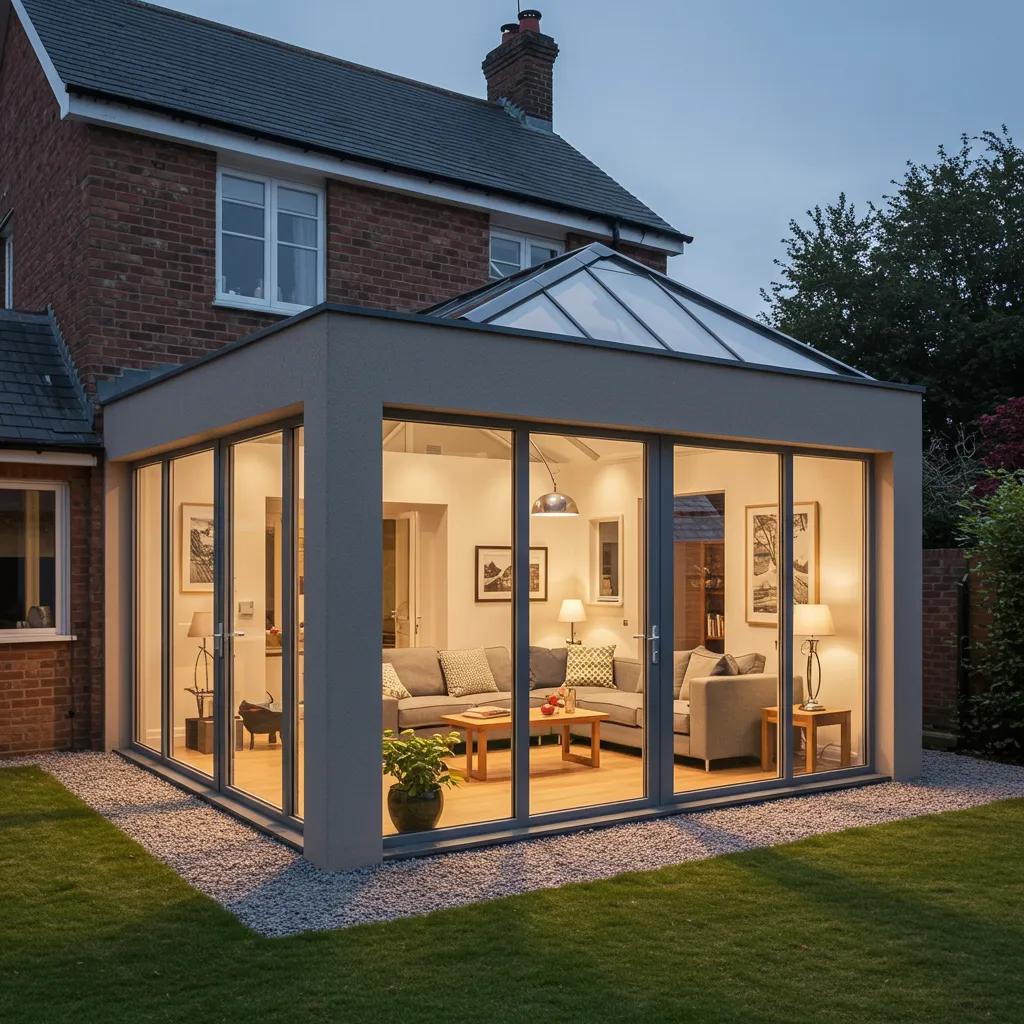
Why Choose Sunrooms or Conservatories for Your Home?
Sunrooms and conservatories blend indoor comfort with outdoor views, creating sheltered spaces filled with natural light. Large glass panels and energy-efficient windows allow for panoramic views while regulating indoor temperatures. These spaces can serve as additional dining areas, relaxation zones, or even home offices, often built with sustainable materials that support eco-friendly trends.
What Makes Outdoor Living Spaces a Popular Home Addition?
Outdoor living spaces such as patios, decks, or outdoor kitchens extend the home’s functionality to the exterior. They are ideal for entertaining, dining, or relaxing while inviting nature inside. With proper landscaping, lighting, and weather-resistant materials like composite decking or natural stone, these areas increase both quality of life and property curb appeal, ultimately driving a strong return on investment.
How Do You Plan and Design Different Home Additions?
Successful home additions begin with clear vision, budget alignment, and detailed design planning. Homeowners must integrate new spaces with the existing structure by considering layout, energy efficiency, and modern design trends from the start through to execution.
What Design Considerations Should You Make for Room Additions?
Key design considerations include proper spatial orientation, natural light, and airflow. Features such as built-in storage, appropriate flooring, and matching interior finishes help the new space blend naturally with existing rooms. Attention to acoustical insulation and energy-efficient systems further enhances comfort and functionality.
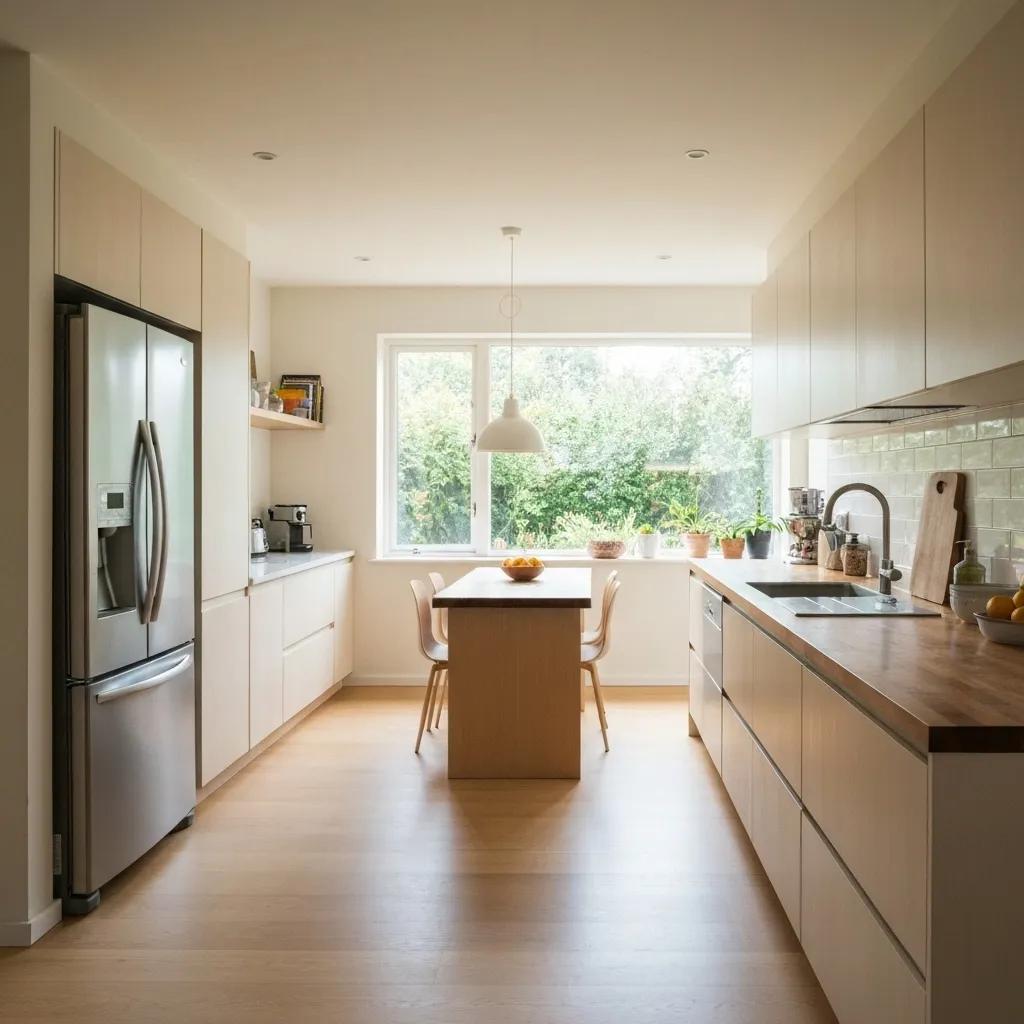
How to Plan a Kitchen or Bathroom Addition Effectively?
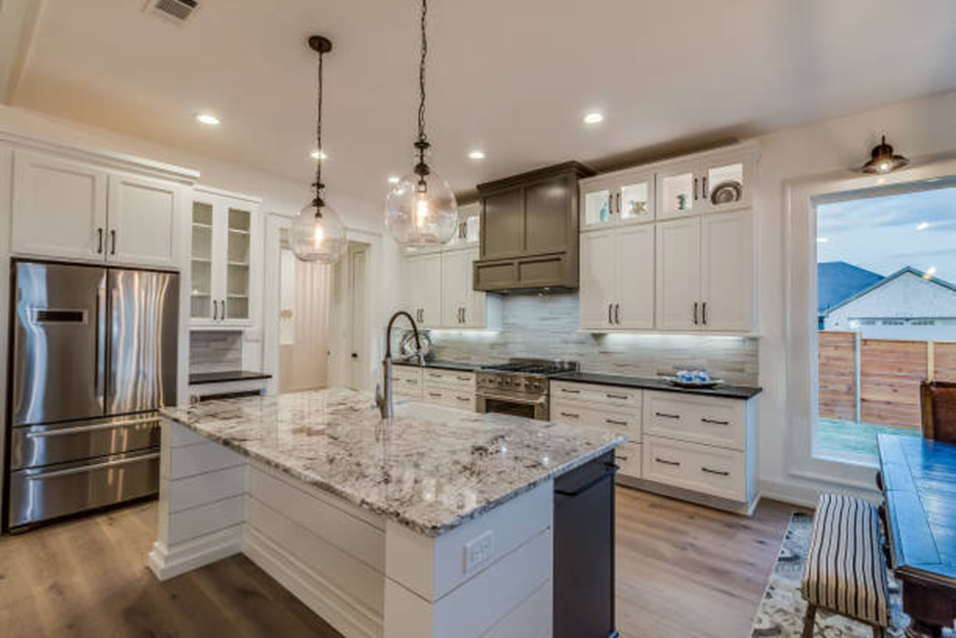
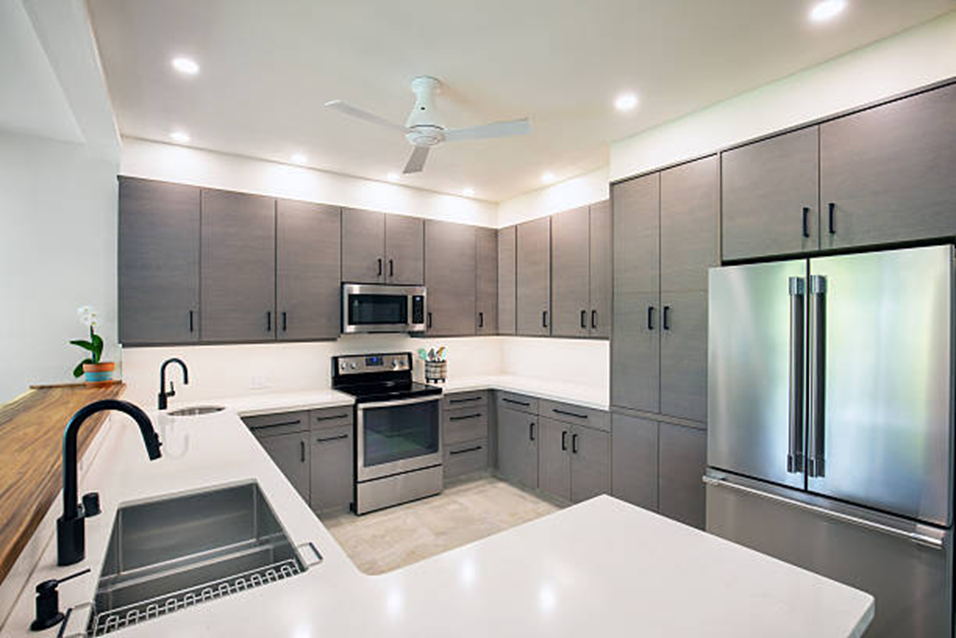
Kitchen and bathroom expansions can have a dramatic impact on daily living and home value. Planning should address layout inefficiencies, optimal appliance placement, and durable surfaces that withstand moisture. Working with design experts helps integrate these additions seamlessly while also managing plumbing, electrical wiring, and permit requirements efficiently.
What Are Key Factors in Designing Second-Story Additions?
Key factors include assessing the load-bearing capacity, planning roof modifications, and ensuring consistent exterior cladding. Maintaining the architectural style of the home is crucial, and modern energy-efficient solutions such as advanced insulation and solar window technologies can lower utility costs while adding environmental benefits.
How to Incorporate Materials and Features in Sunrooms and Outdoor Spaces?
Choosing high-performance glazing, thermally insulated frames, and weather-resistant flooring is essential for sunrooms. Outdoor areas benefit from materials that are durable against environmental exposure, such as composite decking and treated wood. Features like integrated lighting, built-in seating, and outdoor kitchens can transform these spaces into versatile extensions of the home.
What Are the Typical Costs and Budgeting Tips for Home Additions?
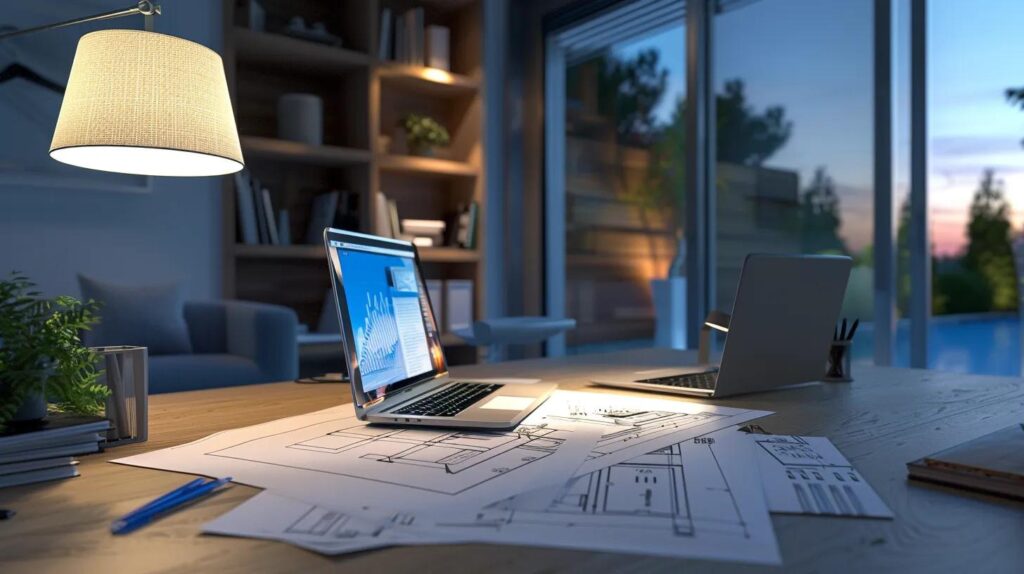
Cost management is crucial for home additions. Homeowners should evaluate material quality, labor expenses, permit fees, and potential structural modifications. Securing multiple quotes along with realistic budgeting can help manage unexpected costs. Financing options such as home improvement loans, HELOCs, or refinancing are commonly used to fund these projects.
How Much Does a Room Addition Usually Cost?
A room addition generally costs between $20,000 and $50,000, depending on size, material quality, and designer fees. Customized and high-end finishes can increase the overall expense, so detailed estimates that include permits and design fees are essential for planning.
What Are the Cost Ranges for Second-Story Additions?
Second-story additions tend to be more expensive because of structural modifications. Costs can range from $50,000 to over $150,000, depending on the number of rooms added and the quality of materials selected. Detailed quotes and phased project implementations may help manage budget constraints.
How to Estimate Costs for Garage Conversions and Outdoor Living Spaces?
Garage conversions generally cost between $15,000 and $40,000. Outdoor living spaces can vary widely; simple decks might cost $5,000 to $15,000, while more complex patios or outdoor kitchens can exceed $30,000. A cost-benefit analysis is helpful to consider potential gains in home equity and energy savings.
What Financing Options Are Available for Home Additions?
Financing options include home equity loans, refinancing, and home equity lines of credit (HELOCs), all offering lower interest rates than personal loans. Some contractors may offer in-house or deferred payment plans. Evaluating the return on investment from added space and improved home equity helps determine the best financing strategy.
What Permits and Regulations Are Required for Home Additions?
Permits and regulations ensure that home additions meet safety standards and adhere to local building codes. Homeowners should work with local building departments and qualified contractors to secure the necessary documentation and inspections throughout the project.
Which Permits Are Needed for Room and Second-Story Additions?
Typically, building, electrical, and plumbing permits are required for these additions to ensure they comply with zoning laws, fire regulations, and energy codes. Detailed plans and engineering reports support the application process and may be reviewed during periodic inspections.
How to Navigate Permits for Garage Conversions and Sunrooms?
Garage conversions and sunrooms may require fewer permits, but still depend on structural changes and updates to electrical or HVAC systems. Submitting architectural plans and coordinating with local authorities can streamline the permit approval process.
What Are the Inspection and Compliance Steps During Construction?
During construction, inspections verify structural integrity, proper electrical wiring, plumbing, and overall safety. Hiring a reputable contractor familiar with local codes helps manage inspections efficiently and ensures that the project complies with regulations.
How Do Materials and Construction Processes Impact Home Additions?
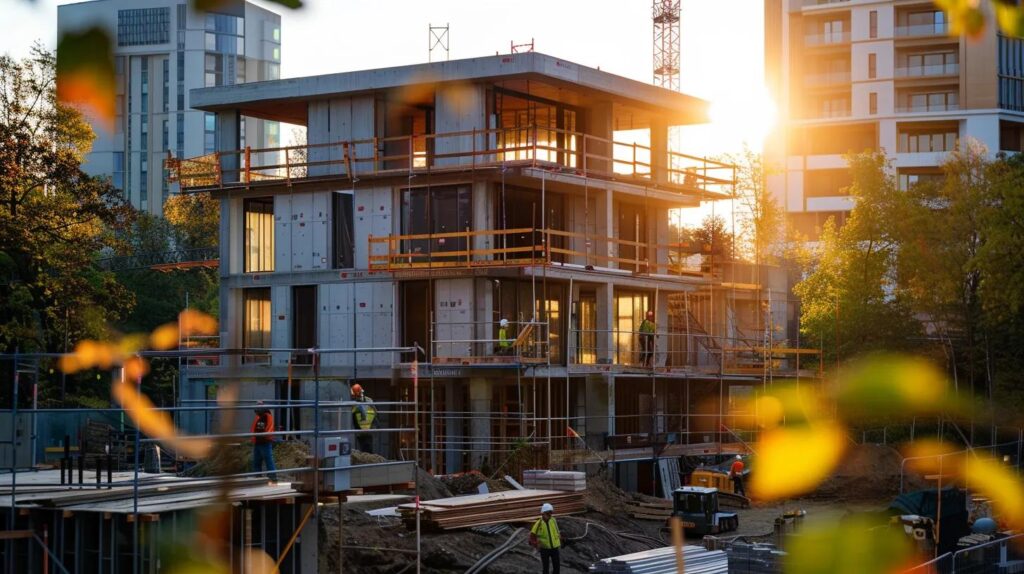
High-quality materials and efficient construction processes are essential for durable and energy-efficient home additions. Using advanced building technologies not only enhances aesthetics but also reduces long-term maintenance costs while ensuring structural integrity.
What Are the Best Materials for Different Types of Home Additions?
For room additions, engineered hardwood flooring, energy-efficient windows, and eco-friendly insulation offer durability and style. Second-story projects benefit from lightweight steel framing and insulated panels, while garage conversions and sunrooms require moisture-resistant drywall, tempered glass, and composite decking for outdoor durability.
How Does the Construction Process Vary by Addition Type?
Room additions typically involve foundation work, framing, roofing, and finishing. Second-story additions require additional planning for load-bearing modifications. Garage conversions repurpose existing structures with minimal demolition, and outdoor living spaces demand specialized techniques for weather resistance and proper integration with the landscape.
How to Choose the Right Contractor for Your Home Addition Project?
Selecting a qualified contractor involves checking credentials, references, and past project quality. A transparent estimate, adherence to building codes, timely project management, and clear communication are critical to ensuring the addition meets the design intent and budget requirements.
What Are the Latest Trends in Home Additions That Transform Spaces?
Recent trends include the use of sustainable and energy-efficient technologies in home additions. Open-concept designs, smart home integrations, and outdoor living enhancements are popular as homeowners seek versatile spaces that merge indoor and outdoor environments.
How Are Sustainable Materials Changing Home Additions?
Materials like reclaimed wood, recycled steel, and low-VOC paints are increasingly favored for their durability and minimal environmental impact. These materials also improve insulation and soundproofing, contributing to energy efficiency and overall home comfort.
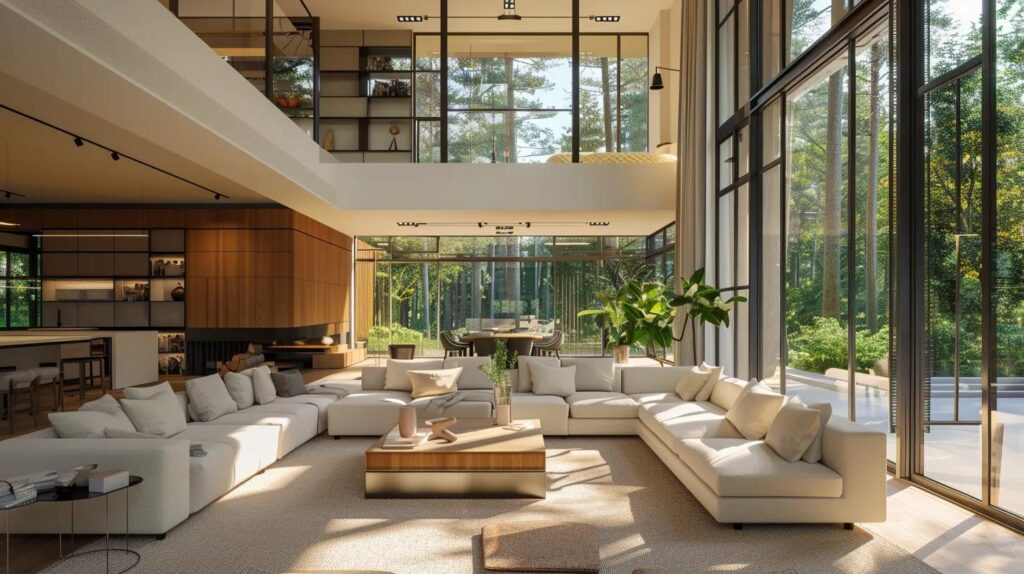
What Are Popular Design Trends for Open-Concept Additions?
Open-concept designs maximize space and natural light by removing unnecessary walls. Large sliding doors, minimalistic furniture, and consistent flooring create a unified look that bridges indoor and outdoor areas, appealing to modern homebuyer preferences.
How Are Outdoor Living Spaces Evolving in Home Renovations?
Outdoor areas are being enhanced with integrated heating/cooling systems, sophisticated outdoor kitchens, and smart lighting solutions. These multifunctional spaces not only connect with indoor living areas but also add significant property value through improved aesthetics and usability.
How Can Home Additions Increase Your Property Value?
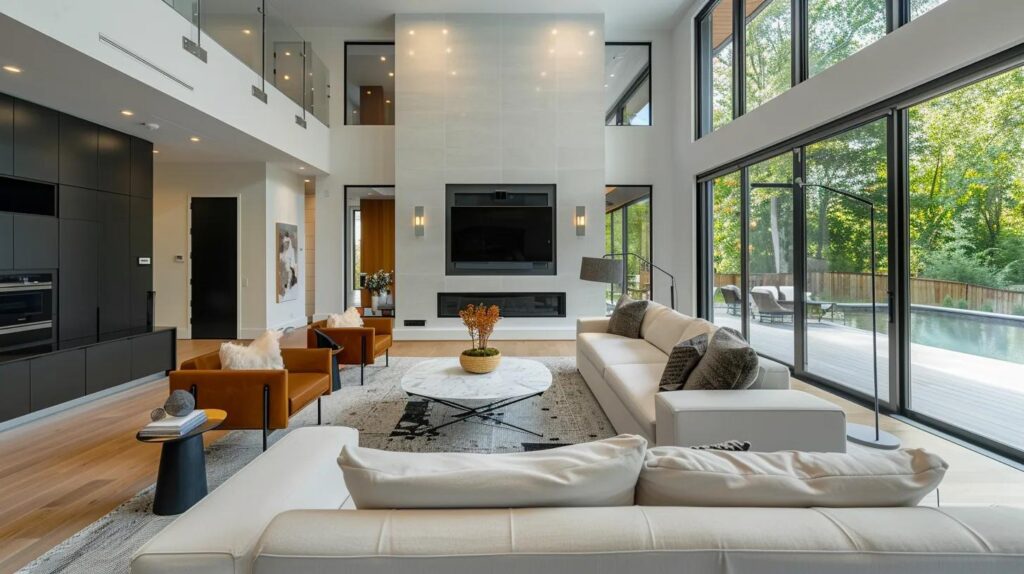
Well-designed home additions boost property value by improving functionality and curb appeal. Buyers often prefer homes with flexible, thoughtfully planned spaces that reflect modern interior design and sustainable building practices.
Which Types of Additions Offer the Best Return on Investment?
Kitchen and bathroom remodels, sunrooms, and second-story additions tend to offer high returns because they directly impact daily living and overall appeal. Smart remodeling can often recoup a significant portion of costs at resale.
How Does Quality Craftsmanship Affect Home Value?
High-quality workmanship and premium materials not only ensure longevity but also positively influence property appraisals. Consistent, detailed craftsmanship builds trust with potential buyers and can command higher prices in competitive markets.
What Are Homebuyer Preferences for Added Spaces?
Homebuyers look for additions that offer increased functionality without sacrificing energy efficiency or style. Modern kitchens, spacious living rooms, and versatile outdoor areas are especially attractive, catering to a variety of lifestyles and long-term goals.
What Are Common Questions About Home Additions?
Homeowners often question timelines, preparation methods, and key factors when choosing an addition type. Addressing these questions early helps streamline the process and avoid potential challenges.
What Is the Typical Timeline to Complete a Home Addition?
Most home additions are completed within three to six months, depending on project scope, necessary permits, and weather conditions.
How Do You Prepare Your Home for an Addition Project?
Preparation involves organizing spaces, safeguarding belongings, and communicating with neighbors about construction plans. Consulting an experienced contractor also helps identify any modifications needed for existing systems like electrical wiring or plumbing.
What Are the Most Important Factors When Choosing a Home Addition Type?
Key considerations include budget, desired functionality, current property layout, and long-term goals. Evaluating how each option will affect daily living, overall aesthetics, and future resale value is critical.
Frequently Asked Questions
Q: How can home additions improve overall home equity? A: They enhance functionality and design, which boosts property value and equity by appealing to modern buyer preferences.
Q: What financing options are available for funding renovations? A: Options include a home equity line of credit (HELOC), mortgage refinancing, or personal loans tailored to renovation projects.
Q: How do current building codes affect home addition projects? A: Building codes set safety, structural, and energy efficiency standards that guide design and construction methods.
Q: Why is selecting quality materials important for home additions? A: Quality materials provide durability, aesthetic appeal, and energy efficiency while reducing long-term maintenance costs.
Q: What role does a general contractor play in home additions? A: They coordinate from planning to final inspection, ensuring the project complies with permits, building codes, and deadlines.
Final Thoughts
Home additions transform living spaces into modern, versatile environments that meet both current lifestyle needs and future resale demands. Through careful planning, use of quality materials, and professional execution, these projects deliver significant returns on investment while enhancing overall property value. Homeowners are encouraged to work closely with qualified professionals to achieve a seamless integration and lasting improvement in both function and design.