Local Home Addition Contractors: What You Should Know About Hiring, Costs, and Permits
Adding space to your home can boost resale value and daily comfort, yet coordinating design, permits, and construction often overwhelms homeowners. This guide clarifies how local home addition contractors streamline every phase—from initial planning to final inspection—and highlights hiring criteria, typical budgets, permit requirements, selection best practices, and potential returns. Readers will learn:
- How contractors manage design, customization, and compliance
- What budget ranges and cost drivers to expect
- Which permits and zoning rules apply
- Key credentials and questions for vetting contractors
- How additions enhance space utilization, home value, and rental income
For homeowners in Las Vegas, professionals offering comprehensive home addition services in Las Vegas integrate local code expertise with custom design solutions to deliver seamless results.
How Do Local Home Addition Contractors Help You Expand Your Home?
Local home addition contractors act as single-source managers who coordinate architects, engineers, permit filings, subcontractors, and inspections. This full-service approach improves project timelines and avoids compliance delays. For example, a contractor will adapt structural plans to local seismic requirements, ensuring both safety and aesthetic cohesion.
What Services Do Home Addition Contractors Provide?
Home addition contractors provide a suite of end-to-end services that cover every phase of your expansion project:
- Design & Architecture – Collaborating with architects to develop layouts that blend new and existing structures.
- Permit Procurement – Filing building, electrical, plumbing, and HVAC permits with local authorities.
- Site Preparation – Managing excavation, foundation work, and utility connections.
- Construction & Inspection – Overseeing framing, roofing, interior finishes, and final building department inspections.
These integrated services accelerate timelines and keep quality standards high, preparing the way for tailored layouts and finishes.
How Do Contractors Customize Home Additions to Fit Your Needs?
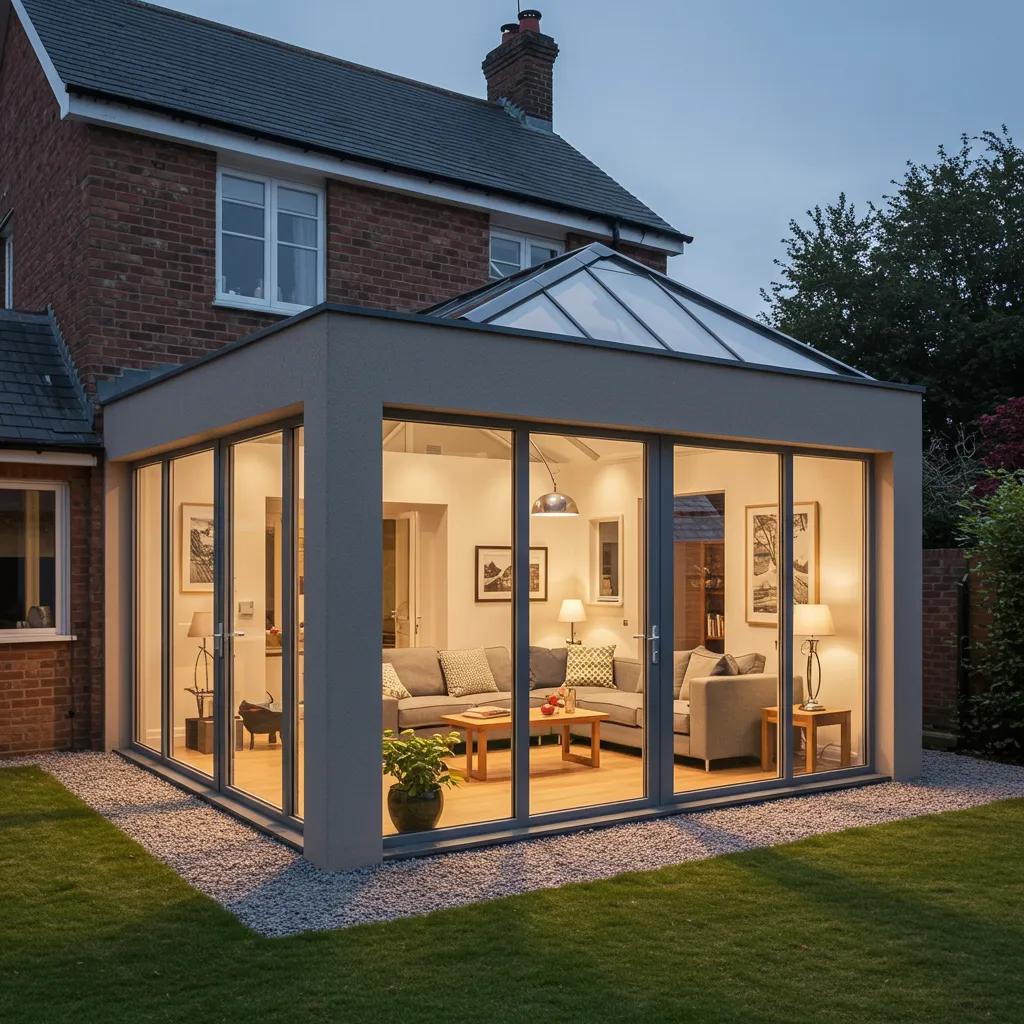
Contractors customize additions by assessing homeowner goals, property orientation, and neighborhood character. They incorporate materials, window placements, and rooflines that mirror the existing home’s style. By using advanced 3D renderings, they improve client visualization and reduce costly change orders during construction. This personalized process ensures the new space feels like an organic extension of your home.
Why Is Local Expertise Important When Choosing a Home Addition Contractor?
Local expertise ensures familiarity with municipal codes, zoning overlays, and typical permit timeline fluctuations. For instance, Las Vegas contractors navigate specific flood-zone restrictions and wind-load calculations, avoiding permit rejections. Understanding community architectural styles also helps preserve neighborhood harmony and maximizes market appeal.
What Are the Typical Costs Involved with Home Additions?
Home additions vary widely in cost based on scope, materials, and local labor rates. Recognizing average expenditures and price drivers helps homeowners set realistic budgets and secure competitive bids.
How Much Does a Home Addition Cost on Average?
A standard ground-level room addition typically ranges between $80 and $200 per square foot, while adding a second story can cost $300 to $500 per square foot. Overall project budgets often span $25,000 to $100,000, depending on finishes and structural complexity.
What Factors Affect the Cost of Home Additions?
Several factors influence total expenditure:
- Addition Type – Single-room bump-out, garage conversion, second-story build-up.
- Materials & Finishes – Standard drywall versus custom millwork and high-end fixtures.
- Labor Rates – Regional wage variations for carpenters, electricians, and plumbers.
- Site Conditions – Sloped terrain, soil type, or existing foundation alterations.
- Permit Fees & Impact Assessments – Local government charges and utility connection costs.
These variables shape contractor bids and final budgeting decisions.
How Does the Type of Addition Impact Your Budget?
Below is a comparison of common addition types and their typical cost ranges:
| Addition Type | Cost per ft² | Typical Project Range |
|---|---|---|
| Single-Room Bump-Out | $80–$150 | $25,000–$60,000 |
| Second-Story Addition | $300–$500 | $75,000–$150,000 |
| Accessory Dwelling Unit | $100–$250 | $50,000–$120,000 |
Each addition type carries distinct structural and finish requirements that drive these cost variations, guiding homeowners toward the option that best aligns with their budget and spatial objectives.
What Permits and Regulations Are Required for Home Additions?
Securing proper permits and complying with zoning codes prevents stop-work orders and ensures a safe, code-compliant addition. Understanding the permit landscape is critical before breaking ground.
Which Building Permits Are Needed for a Home Addition?
Most home additions require:
- A General Construction Permit covering framing, foundation, and structural changes
- Electrical Permits for new circuits, lighting, and outlets
- Plumbing Permits when adding bathrooms or altering water lines
- HVAC Permits for ductwork extensions or new system installations
Home Addition Permits
Most home additions require permits for general construction, electrical work, plumbing, and HVAC systems [1]. These permits ensure that the addition complies with local regulations and safety standards from the initial design to completion [1].
This information is essential for homeowners to understand the necessary steps to ensure their project meets all regulatory standards [1].
How Do You Navigate Local Permit Application Processes?
Follow these steps to secure approval:
- Submit architectural plans to the building department for review.
- Complete permit application forms, including site surveys and energy-compliance reports.
- Pay applicable fees and schedule plan-check appointments.
- Address any plan-check corrections and receive final permit stamps.
- Coordinate inspections at foundation, framing, and final-finish stages.
Timely submittals and responsive corrections typically lead to permit issuance within four to eight weeks.
What Are Common Zoning and Code Requirements for Additions?
Local regulations often specify:
- Setback Limits – Minimum distance from property lines for new structures.
- Height Restrictions – Maximum allowable roofline elevation relative to existing home.
- Floor-Area Ratio (FAR) – Total buildable area limits to control density.
- Design Guidelines – Architectural style and material compatibility in historic or planned communities.
Complying with these requirements preserves neighborhood standards and avoids post-construction compliance orders.
How Can You Choose the Best Local Home Addition Contractor?
Selecting a qualified contractor ensures professional results, legal protection, and peace of mind throughout your project.
What Licensing and Insurance Should Contractors Have?
Choose contractors who hold:
- A valid General Contractor License authorized by the state or municipality
- General Liability Insurance covering property damage and bodily injury
- Workers’ Compensation Coverage protecting both employees and homeowners
- Specialty Certifications (e.g., energy-efficiency or historic renovation credentials)
These credentials guarantee financial protection and adherence to industry standards.
Which Questions Should You Ask Potential Contractors?
Evaluate prospects with these inquiries:
- What is your experience with projects similar to mine?
- Can you provide a detailed, line-item estimate?
- How do you handle change orders and unexpected site issues?
- Who supervises daily on-site activities?
- Can you share references from recent home addition clients?
Answers to these questions reveal a contractor’s transparency, project management style, and track record.
How Do Reviews and Portfolios Help in Contractor Selection?
Reviewing past projects and client testimonials builds confidence in a contractor’s craftsmanship and reliability. Portfolios demonstrate proficiency with various addition types, while online reviews highlight communication skills and adherence to timelines. Together, these evaluation tools reduce hiring risk and confirm quality standards.
What Are the Benefits of Adding to Your Home with a Local Contractor?
Engaging a local specialist delivers tailored solutions that enhance living space, boost property value, and offer financial flexibility.
How Do Home Additions Increase Living Space and Functionality?
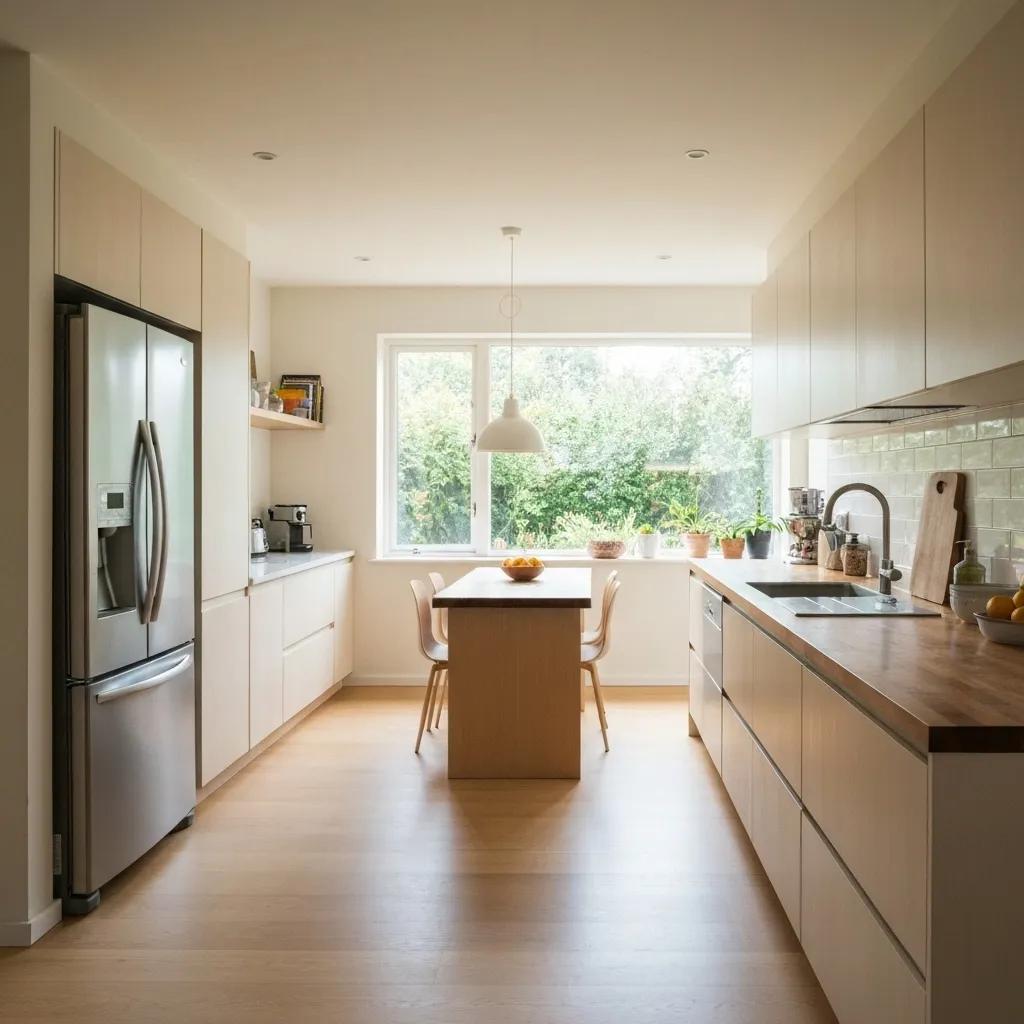
Additions provide customized room layouts—such as expanded kitchens, master suites, or home offices—that adapt to evolving family needs. This spatial expansion improves daily comfort, facilitates multigenerational living, and supports home-based work environments seamlessly.
What Is the Return on Investment (ROI) for Different Addition Types?
A comparison of average ROI illustrates financial gains from common additions:
| Addition Type | Average ROI |
|---|---|
| Kitchen Bump-Out | 60% |
| Bathroom Addition | 55% |
| Second-Story Addition | 50% |
Higher-impact areas like kitchens and baths typically deliver stronger market returns, guiding homeowners to the most value-driven expansions.
Can Home Additions Provide Rental Income or Avoid Relocation?
Accessory dwelling units and basement conversions often serve as income-producing rental suites, supporting mortgage payments and long-term investment growth. Alternatively, adding functional space can delay costly relocation by fulfilling changing lifestyle requirements without uprooting established family routines.