
Quality Hardwood Flooring: Comprehensive Guide to Types, Durability, Installation, Sustainability, and Maintenance
Choosing quality hardwood flooring can transform a home by combining timeless beauty with lasting performance. Homeowners often struggle to balance aesthetic appeal, structural durability, eco-credentials, and upkeep requirements. This guide delivers expert insights into every facet of high-quality hardwood flooring—from core flooring types and species hardness to sustainable sourcing, installation methods, maintenance strategies, and emerging design trends. You will learn:
- What defines solid versus engineered hardwood and how to choose between them
- How wood species, Janka hardness, and grain patterns influence durability and look
- Key attributes of wear layers, finish systems, and milling precision
- Eco-friendly options including FSC certification, reclaimed wood, and low-VOC finishes
- Typical installation approaches, cost factors, and professional advantages
- Best maintenance practices, moisture control, and refinishing guidelines
- Latest color palettes, plank patterns, and texture innovations
This comprehensive guide leverages industry expertise to help you select, install, and preserve the finest hardwood floors for your space.
What Are the Main Types of Quality Hardwood Flooring?
Solid and engineered hardwood flooring represent the two foundational categories of premium flooring, each offering distinct performance and installation characteristics that enhance interior appeal and resilience.
How Does Solid Hardwood Flooring Define Quality and Durability?
Solid hardwood flooring consists of a single plank milled from a solid piece of lumber, which provides exceptional longevity and the ability to be refinished multiple times. Its stable cellular structure enhances resistance to wear and supports repeated sanding and recoating, making it ideal for heirloom installations.
- Enduring Strength: Each plank can be sanded up to 4–6 times to renew appearance.
- Natural Aging: Wood patina develops over decades, boosting character.
- High Resale Value: Proven track record in premium home renovations.
Solid hardwood’s intrinsic refinishing potential assures long-term performance and aesthetic renewal, establishing a baseline for engineered flooring comparisons.
What Makes Engineered Hardwood Flooring Durable and Versatile?
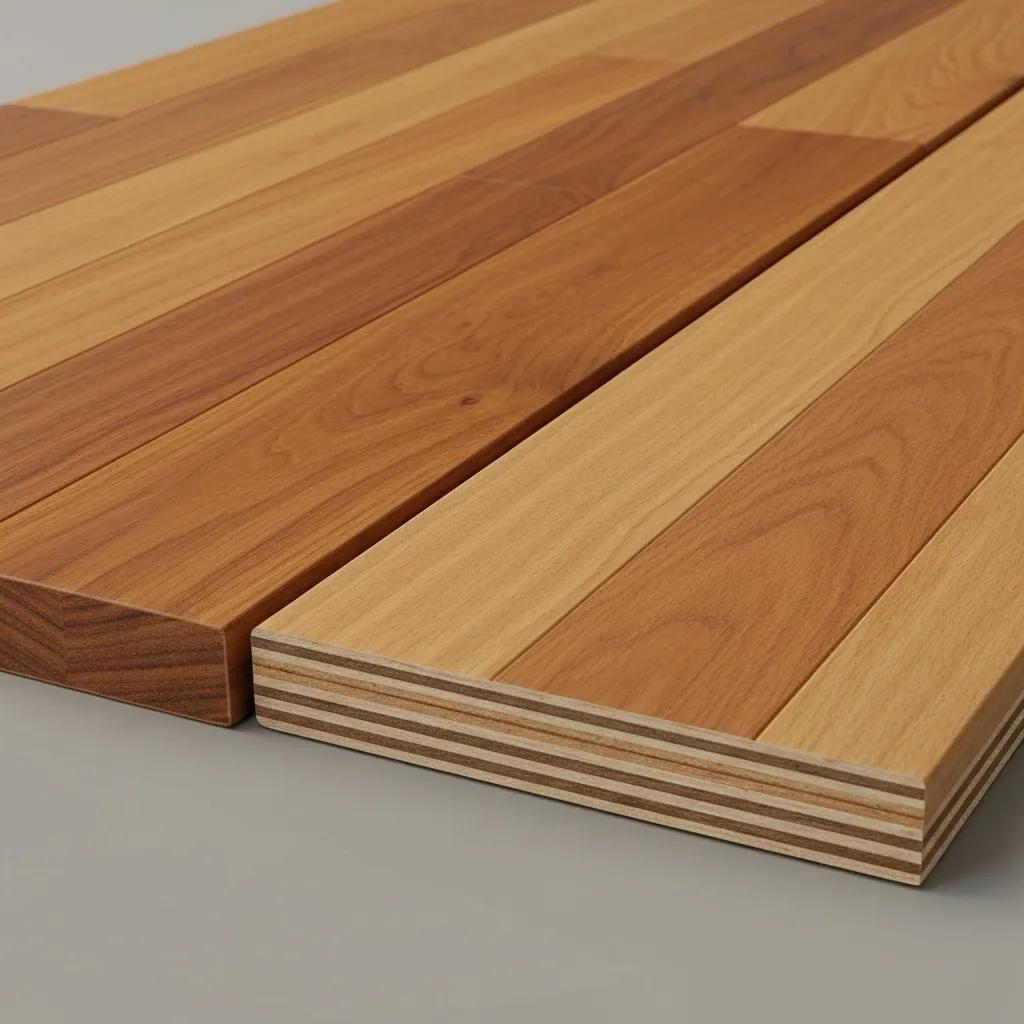
Engineered hardwood flooring is built with multiple bonded layers, typically featuring a real-wood veneer atop cross-grained plywood or high-density fiberboard (HDF). This layered construction minimizes seasonal movement and improves moisture resilience while retaining the look of genuine wood.
- Dimensional Stability: Core layers counteract expansion and contraction.
- Moisture Resistance: Thicker veneers and stable cores suit kitchens and basements.
- Installation Flexibility: Can be nailed, glued, or floated over various substrates.
Engineered hardwood combines the authentic surface beauty of solid wood with enhanced structural stability, making it a versatile solution for diverse environments.
How to Distinguish Between Solid and Engineered Hardwood Flooring?
Before selecting a flooring type, compare key construction and performance attributes across options.
| Flooring Type | Core Construction | Wear Layer Thickness | Refinishable | Typical Price Range |
|---|---|---|---|---|
| Solid Hardwood | Single plank of lumber | N/A (full plank) | Up to 6 refinishes | $8–$15 per ft² |
| Engineered Hardwood | Multi-ply wood/HDF core | 2–6 mm | 1–3 refinishes (max) | $5–$12 per ft² |
This comparison clarifies that solid hardwood offers deeper refinishing and traditional appeal, whereas engineered boards excel in moisture tolerance and installation versatility. Understanding these distinctions sets the stage for evaluating species hardness and finish systems.
How Do Wood Species and Janka Hardness Affect Hardwood Flooring Quality?
Wood species selection fundamentally influences scratch resistance, dent tolerance, and visual texture. The Janka hardness scale quantifies the force required to embed a steel ball into wood, providing an objective durability measure.
Which Wood Species Are Best for Durable Hardwood Floors?
Choosing the right species ensures optimal performance in the intended space. The following list highlights top contenders for high-traffic areas:
- Oak (White & Red) delivers balanced hardness and classic grain, suiting most interiors.
- Hickory offers exceptional toughness with bold color variations.
- Maple presents a light, uniform appearance and high resistance to wear.
- Walnut combines medium hardness with rich color, popular for upscale designs.
These species balance visual appeal with proven resilience, making them primary candidates for quality installations.
What Is the Janka Hardness Scale and Why Does It Matter?
The Janka hardness scale measures wood resistance to indentation, guiding material selection based on wear expectations. For example, a rating above 1,200 lbf suits heavy-traffic zones, while softer woods below 1,000 lbf excel in low-impact areas.
| Wood Species | Janka Rating (lbf) | Typical Color Tone |
|---|---|---|
| Hickory | 1,820 | Light brown to amber |
| White Oak | 1,360 | Pale tan |
| Maple | 1,450 | Creamy white |
| Walnut | 1,010 | Chocolate brown |
Understanding the Janka Hardness Scale for Wood Flooring Durability
How Do Grain Patterns and Color Variations Influence Aesthetics?
Grain character and color depth define the visual identity of hardwood floors. Pronounced grain provides rustic charm and variance, while tighter grains create a refined, modern look. Seasonal milling and finishing also accentuate color consistency or highlight natural contrasts.
Key influences include:
- Straight Grain – Creates a uniform, contemporary backdrop.
- Cathedral Grain – Adds dynamic arches, ideal for traditional styles.
- Color Contrast – High-variation woods like hickory deliver dramatic visuals.
Integrating grain preferences with design goals ensures flooring harmonizes with furnishings and architectural details, transitioning naturally into finish and durability considerations.
What Are the Key Factors Defining Hardwood Flooring Durability and Finish?
Durability stems from wear layer thickness, protective finish chemistry, and manufacturing precision. Each attribute plays a role in long-term resilience and maintenance requirements.
How Does Wear Layer Thickness Impact Engineered Hardwood Longevity?
The wear layer—the top veneer thickness—directly affects how many times an engineered plank can be refinished. A 4 mm wear layer typically allows two full sandings, whereas a 2 mm layer may only support one light recoat.
- Thicker veneers boost lifespan and repair flexibility.
- Premium brands often specify minimum 3 mm wear layers.
- Surface treatments before finishing enhance scratch resistance.
Selecting engineered flooring with an adequate wear layer promotes sustained performance and aesthetic retention over decades.
What Are the Most Durable Hardwood Finishes and Their Maintenance Needs?
| Finish Type | Durability Level | Maintenance Frequency |
|---|---|---|
| Aluminum Oxide Urethane | Very High | Annual recoating |
| Oil-Based Polyurethane | High | Every 2–3 years |
| Water-Based Polyurethane | High | Every 2 years |
| Hard-Wax Oil | Moderate | Touch-up every 6–12 months |
Each finish balances sheen, scratch resistance, and upkeep. Aluminum oxide urethane offers maximum durability for busy households, while hard-wax oils enhance natural feel at the cost of more frequent maintenance.
How Does Milling Precision and Board Consistency Affect Quality?
Precision milling ensures uniform plank thickness, tight tongue-and-groove joints, and minimal gaps after installation. Consistent board width and straight edges reduce alignment issues, enhance stability, and simplify refinishing.
Accurate milling improves installation accuracy and joint integrity, setting the foundation for optimal finish performance and long-term floor flatness.
How Can You Choose Sustainable and Eco-Friendly Hardwood Flooring Options?
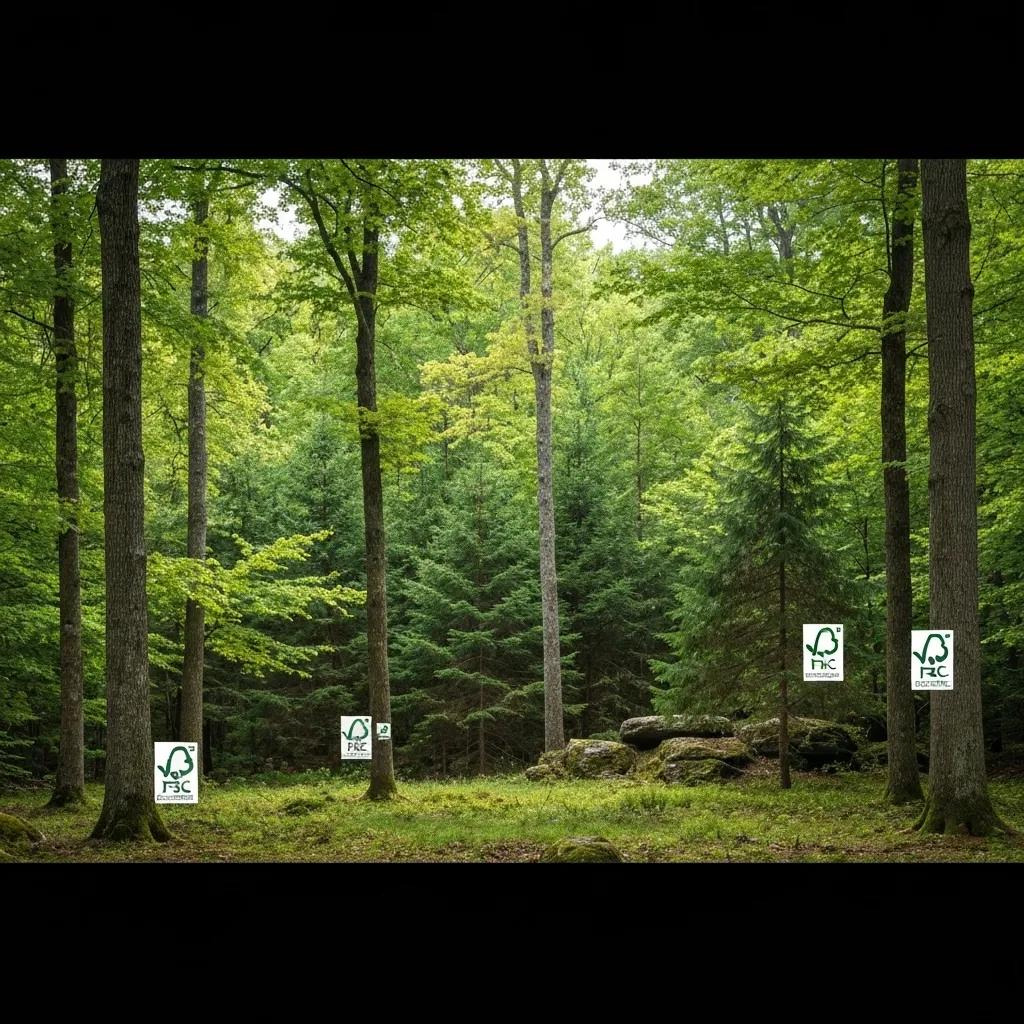
Eco-conscious flooring integrates responsible forestry practices, reclaimed materials, and low-emission finishes to support indoor air quality and global sustainability goals.
Environmental Impact and Sustainability of Wood Flooring
What Does FSC Certification Mean for Hardwood Flooring Quality?
FSC (Forest Stewardship Council) certification indicates wood is sourced from responsibly managed forests that protect biodiversity and respect local communities. Certified flooring ensures traceable supply chains and verifies that harvesting practices meet stringent environmental and social standards.
Aligning species selection with FSC certification promotes both ecological integrity and product transparency.
How Do Reclaimed and Low VOC Wood Flooring Options Support Sustainability?
Reclaimed wood flooring repurposes salvaged timber from barns, mills, and old structures, reducing demand for new logging. Low-VOC (volatile organic compound) finishes minimize indoor air pollutants and protect occupant health.
- Reclaimed planks offer unique patinas and storied character.
- Low-VOC surface coatings ensure better air quality for families.
- Combined approaches reduce carbon footprint and landfill waste.
Embracing these alternatives reinforces sustainable design goals and enhances interior wellness.
Is Hardwood Flooring Environmentally Friendly?
Yes, responsibly sourced hardwood can be an eco-friendly option when forests are regenerated, carbon sequestration is prioritized, and product lifecycles extend through refinishing. Modern certifications and circular-economy practices ensure that hardwood floors contribute positively to sustainable building standards and indoor air quality.
This environmental viability complements traditional durability metrics and design considerations.
What Are the Typical Hardwood Floor Installation Methods and Costs?
Installation method and labor quality have a major impact on the final performance, appearance, and lifespan of hardwood flooring systems.
How Do Professional Installation Services Ensure Hardwood Flooring Quality?
Professional installers provide precise subfloor evaluation, moisture mitigation, and leveling, securing optimal adhesion or mechanical fastening. Certified craftsmen follow manufacturer guidelines to preserve warranties and guarantee seamless transitions between rooms.
- Expert installers calibrate nailers, moisture meters, and adhesives.
- Proper acclimation periods prevent post-installation gaps or cupping.
- Warranty compliance often requires certified installation services.
By investing in professional expertise, homeowners improve installation accuracy and protect long-term investment value.
What Are the Cost Factors for Hardwood Floor Installation?
Installation costs depend on material type, subfloor condition, room complexity, and regional labor rates. Major factors include:
- Floor Prep – Leveling, moisture barrier installation, old floor removal
- Material Handling – Delivery, acclimation, and waste disposal
- Labor Rates – Certified installer premiums in urban areas
- Trim and Transitions – Baseboards, thresholds, and stair nosings
- Finish Application – On-site staining or factory-prefinished boards
A detailed project estimate clarifies budget allocations and helps avoid unexpected expenses, leading to a smoother installation process.
Which Installation Methods Are Best for Solid vs. Engineered Hardwood?
Solid hardwood is typically nailed or stapled to a wood subfloor, ensuring a secure mechanical bond. Engineered hardwood can be nailed, glued, or floated:
- Nail/Staple: Provides traditional stability for both solid and thicker engineered planks.
- Glue-Down: Offers enhanced noise reduction and stability, ideal over concrete slabs.
- Floating: Uses attached underlayment for DIY-friendly installation and minor sound dampening.
Choosing the correct method for each material preserves performance and warranty coverage, propelling the project toward successful outcome.
How Should You Maintain Quality Hardwood Flooring for Longevity?
Consistent cleaning, humidity control, and timely refinishing preserve the original finish and structural integrity of hardwood floors.
What Are the Best Cleaning and Care Practices for Hardwood Floors?
Effective care routines remove abrasive debris and protect the finish layer:
- Sweep or vacuum daily using a soft-bristle attachment to remove grit.
- Wipe spills immediately with a damp mop and mild, pH-balanced cleaner.
- Place protective pads under furniture legs to prevent denting.
- Rotate rugs periodically to distribute foot traffic evenly.
Adhering to these practices reduces surface wear and supports finish longevity.
How Does Moisture and Humidity Affect Hardwood Flooring Durability?
Wood expands when humidity rises above 55 percent and contracts below 35 percent, which can cause cupping or gaps. Maintaining indoor relative humidity between 35–55 percent prevents excessive movement.
Key prevention tips include:
- Use a humidifier or dehumidifier to stabilize ambient humidity.
- Install vapor barriers over concrete subfloors to block ground moisture.
- Avoid wet-mopping or standing water that can damage both solid and engineered boards.
Optimal Humidity Levels for Hardwood Flooring Performance
When and How Should Hardwood Floors Be Refinished?
Hardwood floors typically require light sanding and recoating every 7–10 years under normal traffic conditions. Significant scratches, wear spots, or color fading signal that a full sand-and-refinish cycle is due.
- Perform initial scratch repairs with touch-up kits for minor damage.
- Engage professionals for uniform sanding and controlled stain application.
- Apply high-durability finish coats following manufacturer cure times.
Timely refinishing restores surface protection and revitalizes wood beauty, extending floor service life.
What Are the Latest Design Trends and Patterns in Quality Hardwood Flooring?
Contemporary flooring choices blend classic warmth with modern textures and layouts to elevate interior style.
Which Hardwood Flooring Colors and Stains Are Trending in 2024?
Light, natural tones and subtle gray washes continue to dominate, creating an airy, expansive feel. Top trending options include:
- Natural White Oak – Minimalist warmth with a pale undertone
- Light Brown Walnut – Soft contrast with a hint of rustic texture
- Honey-Blonde Stain – Sunlit rooms and Scandinavian interiors
- Smoky Gray Wash – Modern lofts and transitional décor
These palettes enhance perceived space and complement neutral furnishings.
How Do Wide Plank, Herringbone, and Chevron Patterns Enhance Room Aesthetics?
Geometric plank arrangements add architectural interest and a sense of scale:
- Wide Plank visually enlarges rooms and highlights grain character.
- Herringbone introduces dynamic, staggered angles for classic elegance.
- Chevron creates continuous V-shapes that lead the eye through a space.
Pattern choice influences perceived room proportions and sets the tone for adjacent décor elements.
What Role Do Textured Surfaces Play in Hardwood Floor Design?
Textured finishes such as hand-scraped and wire-brushed surfaces amplify depth and mask surface wear. Subtle embossing accentuates natural grain and provides tactile appeal underfoot.
Texturing enhances authenticity and creates floors that continue to look refined even after years of daily use.
Quality hardwood flooring combines structural excellence, refined finishes, sustained beauty, and sustainable sourcing. By understanding the distinctions between solid and engineered planks, evaluating species-specific hardness, selecting optimal wear layers and finishes, and employing professional installation and maintenance, you can enjoy floors that last generations. Explore trusted flooring specialists to view samples, assess certifications, and tailor solutions that perfectly match your style, space, and performance requirements.