A1 Construction and Remodeling works with homeowners across Southern Nevada who want durable, safe, and visually consistent interior surfaces. Flooring is one of the most heavily used features in any home. Over time, wear and environmental conditions can reduce its performance and appearance.
If you are wondering whether repairs are enough or if full replacement is necessary, this guide explains the most common warning signs, what causes flooring deterioration, and how professional evaluation helps you make the right decision.
Why Flooring Condition Matters
Flooring impacts more than appearance. It affects:
- Indoor air quality
- Structural stability
- Property value
- Safety and slip resistance
- Overall comfort
Damaged or outdated flooring can also make adjacent improvements less effective. For example, newly painted walls may highlight uneven or worn surfaces below. Many homeowners coordinate flooring updates with services like interior painting Las Vegas projects to maintain a cohesive look throughout the home.
When floors show persistent problems, consulting a qualified flooring contractor Las Vegas residents rely on helps determine whether repair or full replacement is the smarter investment.
1. Visible Cracks, Chips, or Surface Damage
Cracks and surface damage are among the most obvious signs of flooring deterioration. Tile, laminate, vinyl, and hardwood can all develop visible defects over time.
What Causes Surface Damage?
- Heavy furniture movement
- Water intrusion
- Temperature fluctuations
- Subfloor shifting
- Improper installation
Small chips may seem cosmetic, but repeated cracking often indicates deeper structural issues. In tiled areas, damaged grout lines can allow moisture to seep underneath, weakening the subfloor.
If multiple tiles are loose or cracked, professional tile installation Las Vegas services may be necessary to restore structural integrity and prevent further spread of damage.
2. Warping or Buckling
Warped flooring typically signals moisture exposure or poor installation. Hardwood may cup or crown, while laminate and vinyl can bubble or lift at the seams.
Signs of Moisture Damage
- Uneven surfaces
- Soft spots when walking
- Visible swelling
- Separation between boards
In Las Vegas, temperature changes between indoor air conditioning and outdoor heat can stress materials over time. If buckling appears across multiple areas, replacement is often more effective than patchwork repairs.
A licensed flooring Contractor Las Vegas homeowners trust can inspect subfloor conditions and identify whether moisture barriers were properly installed.
3. Persistent Stains and Discoloration
Some stains can be removed through cleaning or refinishing. However, deep discoloration may indicate long-term absorption of liquids, pet accidents, or chemical exposure.
If cleaning no longer improves appearance, replacement may be the only way to restore visual consistency. This is especially common in high-traffic areas such as kitchens and hallways.
Homeowners often pair flooring upgrades with remodeling efforts such as bathroom remodeling Las Vegas projects to ensure all surfaces align with updated design preferences.
4. Excessive Squeaking or Movement
Minor squeaks are common in older homes, but excessive movement or noise suggests subfloor issues.
Causes of Floor Movement
- Loose fasteners
- Subfloor deterioration
- Structural settling
- Water damage
If sections feel unstable, the underlying structure may need reinforcement. Simply replacing surface materials without addressing subfloor concerns will not resolve the problem.
A professional evaluation ensures both visible materials and hidden structural components are considered before installation.
5. Outdated Materials and Design
Flooring trends evolve over time. While aesthetics are subjective, older materials may:
- Reduce resale appeal
- Clash with updated interiors
- Lack modern durability standards
- Be harder to maintain
Homeowners completing projects like home addition Las Vegas renovations often choose to update flooring to create visual continuity between original and expanded spaces.
Replacing outdated materials can also improve long-term maintenance and durability.
6. Water Damage and Mold Concerns
Water damage is one of the most serious reasons to replace flooring. Signs include:
- Persistent musty odors
- Black or green discoloration
- Soft or spongy sections
- Warped edges
In cases where moisture has reached drywall, repairs may extend beyond flooring alone. Services such as drywall repair Las Vegas may be required to restore affected areas before installing new surfaces.
Ignoring water damage can lead to larger structural issues and compromised indoor air quality.
7. Increasing Maintenance Costs
If repairs become frequent and costly, replacement may be more economical over time.
Indicators of Rising Maintenance
- Repeated grout repair
- Recurring refinishing needs
- Ongoing moisture issues
- Frequent patch replacements
A professional flooring Contractor Las Vegas homeowners consult can provide a cost comparison between ongoing repairs and full replacement.
Flooring Replacement vs Repair
Condition | Repair May Work | Replacement Recommended |
Minor scratches | Yes | No |
Single cracked tile | Yes | No |
Widespread cracking | No | Yes |
Moisture damage | Rarely | Yes |
Structural instability | No | Yes |
Outdated design | Sometimes | Often |
This comparison helps homeowners assess severity before scheduling a professional inspection.
When to Replace Instead of Refinish
Refinishing can extend the life of hardwood flooring. However, replacement is more appropriate when:
- Boards are deeply warped
- Water damage is extensive
- Subfloor issues exist
- Multiple prior refinishes have thinned material
For tile surfaces, widespread cracking or uneven leveling often requires complete tile installation Las Vegas rather than individual replacements.
Coordinating Flooring With Broader Renovations
Flooring upgrades are frequently part of larger remodeling plans.
Common Coordinated Projects
- Interior painting las vegas updates
- Kitchen or bathroom remodeling las vegas improvements
- Structural expansions such as home addition las vegas builds
- Exterior updates through exterior remodeling las vegas
Planning flooring replacement alongside other renovations reduces disruption and ensures design alignment.
The Flooring Replacement Process
Understanding the process helps homeowners prepare.
1. Inspection and Assessment
A contractor evaluates:
- Surface damage
- Subfloor condition
- Moisture levels
- Structural integrity
2. Material Selection
Homeowners choose from:
- Porcelain or ceramic tile
- Engineered hardwood
- Luxury vinyl plank
- Laminate
Durability, maintenance, and design preferences are considered.
3. Removal and Preparation
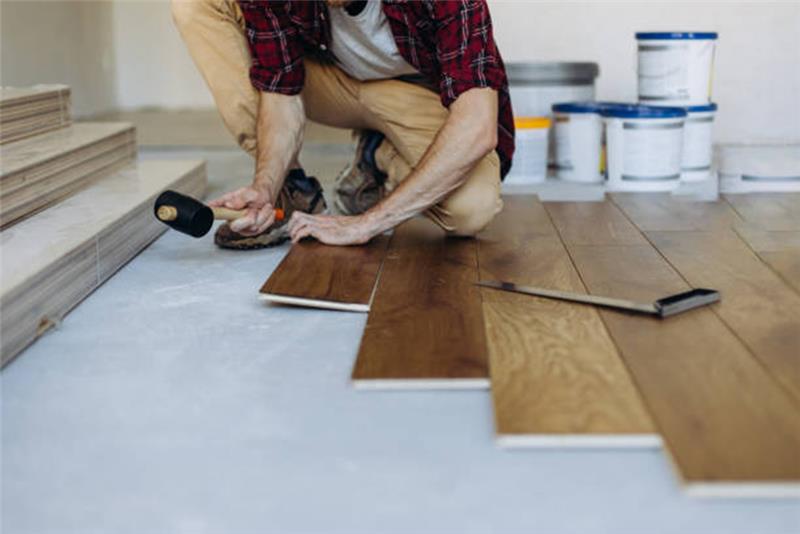
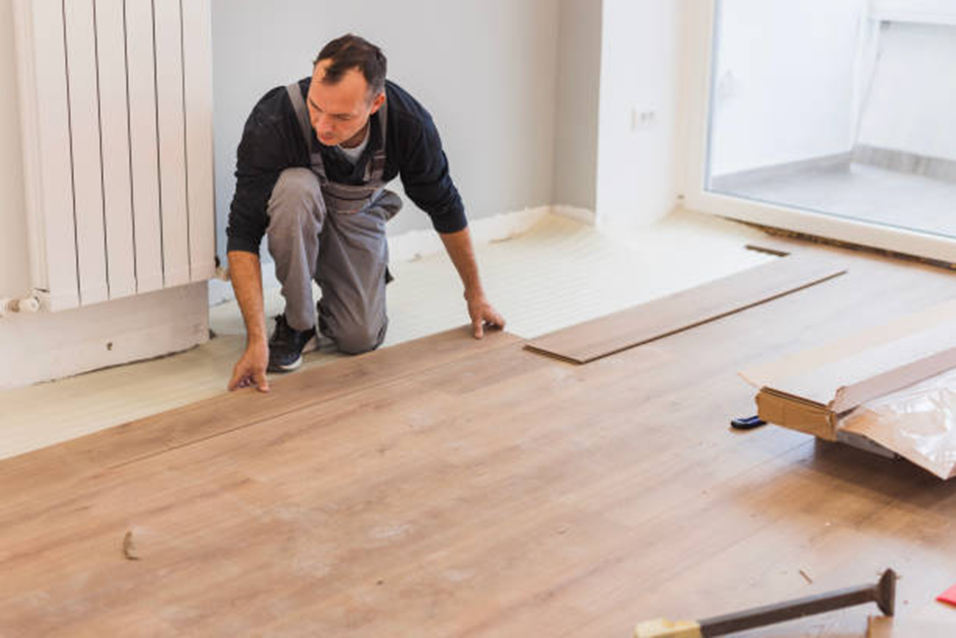
Old flooring is removed carefully. Subfloors are leveled and reinforced if needed. Moisture barriers may be installed to prevent future issues.
4. Installation
Professional installation ensures:
- Even spacing
- Secure fastening
- Proper adhesive application
- Clean finishing edges
For tiled surfaces, expert tile installation Las Vegas ensures grout alignment and long-term durability
How Climate Affects Flooring in Las Vegas
Southern Nevada’s desert climate presents unique challenges.
Environmental Factors
- High summer temperatures
- Low humidity
- Rapid temperature fluctuations
- Heavy HVAC use
These conditions can cause expansion and contraction in certain materials. Choosing climate-appropriate flooring improves long-term performance.
Consulting a local flooring Contractor Las Vegas homeowners rely on ensures materials are selected with regional conditions in mind.
Safety Risks of Delayed Replacement
Damaged flooring may create hazards such as:
- Trip risks from lifted edges
- Splinters from deteriorating wood
- Slippery surfaces from worn finishes
- Mold exposure from water damage
Addressing flooring concerns early protects household safety.
Cost Considerations
Replacement costs depend on:
- Material choice
- Square footage
- Subfloor repairs
- Labor requirements
- Disposal fees
While repair may appear less expensive initially, repeated maintenance can exceed replacement costs over time.
For detailed planning insights, reviewing renovation guides on the blog section can provide helpful preparation tips before beginning a project.
Conclusion
Flooring plays a central role in home safety, durability, and visual appeal. Cracking, warping, moisture damage, and outdated materials are strong indicators that replacement may be necessary. Evaluating structural conditions alongside aesthetic concerns ensures long-term performance.
A1 Construction and Remodeling works with homeowners to assess flooring conditions and coordinate improvements with broader renovation goals. If you are noticing warning signs or planning a larger project, you can discuss your options through the contact page to determine the most suitable solution for your home.
For additional renovation guidance, explore the blog section for practical insights and planning resources.
Frequently Asked Questions
How long does flooring typically last?
Tile can last decades when properly installed, while laminate and vinyl may require replacement sooner depending on traffic and maintenance.
Can I replace flooring without replacing baseboards?
In some cases, yes. However, removal often allows for cleaner installation and better finishing.
Is moisture testing necessary before installation?
Yes. Moisture testing helps prevent future warping or buckling and ensures long-term stability.
How do I know if subfloor damage exists?
Soft spots, uneven surfaces, and persistent squeaking often indicate deeper structural issues that require inspection.
Should flooring be replaced before selling a home?
If floors show visible damage or outdated design, replacement may improve market appeal and buyer perception.