
Essential Commercial Office Renovation Checklist for Success: Key Tips and Strategies for Effective Project Planning
Office renovation projects that lack structured planning often exceed budgets and fall behind schedule. By following an essential commercial renovation project checklist for success, stakeholders can align objectives, control costs, and optimize functional design. This guide maps out every phase—from initial goal setting and site assessment to handover and maintenance—ensuring that commercial spaces in Las Vegas and beyond achieve efficient, sustainable transformations with industry-leading solutions.
Throughout this roadmap readers will explore:
- Foundational planning steps, including goal definition and contractor selection
- Budget creation, timeline development, and contingency planning
- Core checklist elements, such as permits, layout design, and material selection
- Proven strategies to minimize disruption, foster communication, and integrate energy-efficient innovations
- Risk management tactics, quality control practices, and adaptive decision triggers
- Final inspection protocols, post-renovation readiness, and maintenance best practices
- Practical tips on balancing aesthetics with functionality, incorporating employee feedback, and leveraging digital tools
Together, these themes establish a cohesive framework that elevates commercial renovation projects toward on-time delivery, cost containment, and long-term operational success.
What Are the First Steps in Successful Commercial Renovation Project Planning?
Successful commercial renovation project planning begins with defining clear objectives, assessing the site, and selecting qualified professionals. This structured approach ensures that every subsequent decision aligns with overarching business goals and spatial requirements.
How to Define Clear Renovation Goals and Objectives
Clear renovation goals articulate the purpose, scope, and desired outcomes of a project. By specifying objectives—such as increasing workspace capacity by 25%, achieving LEED Silver certification, or modernizing common areas—stakeholders establish measurable targets that guide design decisions and budget allocations. For example, committing to LEED criteria ensures that energy-efficient fixtures and sustainable materials drive both cost savings and environmental stewardship. Establishing these benchmarks creates a transparent foundation for timeline estimates and contractor proposals.
Why Is Conducting a Detailed Site Assessment Crucial?
A detailed site assessment identifies structural constraints, existing mechanical systems, and potential code compliance issues before construction begins. This evaluation uncovers hidden electrical overloads, outdated HVAC installations, or floor-load limitations that could derail schedules or inflate costs. By documenting dimensions, load-bearing walls, and utility locations, project teams minimize scope creep and implement targeted solutions—such as reinforcing floor joists or rerouting ductwork—that keep renovations on track and within budget.
How to Choose the Right Renovation Team and Contractors
Selecting a renovation team with commercial experience, proper licensing, and relevant certifications reduces risk and fosters efficiency. Key criteria include proven track records in office revitalizations, familiarity with local zoning codes in Las Vegas, and accreditation from industry bodies such as NAIOP. Engaging a design-build firm or dedicated project manager streamlines communication between architects, engineers, and subcontractors. This collaborative structure accelerates decision-making and ensures alignment with defined goals, setting a reliable precedent for budget and timeline management.
How Do You Create an Effective Commercial Renovation Budget and Timeline?

Crafting an effective budget and timeline combines comprehensive cost breakdowns with realistic scheduling that reflects procurement lead times, labor availability, and phased construction milestones. This dual approach prevents financial overruns and project delays.
What Are the Key Budget Components for Office Renovation?
Below is a breakdown of primary cost categories to include in an office renovation budget:
| Cost Category | Scope | Impact on Project |
|---|---|---|
| Construction Labor | Demolition, framing, finishes | Up to 40% of total cost |
| Architectural Fees | Design, engineering, permit support | 8–12% of project cost |
| Materials & Finishes | Flooring, partitions, lighting fixtures | 20–30% of expenses |
| HVAC & Electrical | System upgrades, wiring, controls | 10–15% of allocation |
| Contingency Reserve | Unforeseen issues, design changes | 5–10% buffer |
This cost schematic ensures that financial resources align with critical renovation elements and reserve funds accommodate unexpected conditions. Accurate allocations directly influence scheduling flexibility and quality outcomes.
How to Develop a Realistic Renovation Timeline and Milestones
Developing a renovation timeline involves sequencing tasks into distinct phases:
- Pre-Construction (2–4 weeks): Complete design approvals, permit applications, and site mobilization
- Construction (8–16 weeks): Execute demolition, structural modifications, and MEP (mechanical, electrical, plumbing) installation
- Finishing (4–6 weeks): Install interior finishes, furniture, and technology systems
- Commissioning (1–2 weeks): Perform performance testing, inspections, and snag-list resolution
Sequencing these milestones with dependencies—such as delaying finishes until HVAC testing completes—ensures that resources and crews operate efficiently, reducing downtime and preventing clashes between trades.
What Contingency Plans Should You Include in Your Budget?
Including contingency strategies safeguards against unplanned expenses:
- Design Change Reserve: Funds to address scope adjustments arising from stakeholder feedback
- Site Condition Buffer: Financial cushion for latent defects uncovered during demolition
- Schedule Acceleration Fund: Budget for expedited shipping or overtime labor to meet critical deadlines
Allocating dedicated contingency reserves empowers project managers to respond decisively to disruptions without compromising core deliverables or jeopardizing overall project viability.
What Are the Essential Elements of a Commercial Office Renovation Checklist?
An essential commercial office renovation checklist consolidates regulatory, design, and procurement components into a unified reference. This tool guides teams through each critical task from permit acquisition to material selection.
Which Permits and Legal Requirements Must Be Addressed?
Office renovations require multiple approvals to ensure safety and code compliance. Key permit categories include:
| Permit Type | Issuing Authority | Typical Approval Time |
|---|---|---|
| Building Permit | City Planning Department | 3–6 weeks |
| Electrical Permit | Local Electrical Board | 1–2 weeks |
| Mechanical Permit | HVAC Regulatory Agency | 1–2 weeks |
| ADA Compliance Sign-off | Accessibility Commission | 2–4 weeks |
Securing these permits before breaking ground prevents work stoppages and latent liability. Proper legal clearances also reinforce stakeholder confidence and preserve project momentum.
How to Plan for Office Layout and Space Optimization
Strategic layout planning balances circulation, collaboration zones, and private offices:
- Conduct occupancy studies to match desk quantities with workflow requirements.
- Integrate flexible workstations and modular partitions to accommodate evolving team sizes.
- Position amenities—such as break rooms and huddle spaces—within easy reach of core departments.
Optimizing spatial relationships enhances productivity and employee satisfaction while minimizing wasted square footage. Thoughtful circulation planning sets the stage for a dynamic, scalable environment.
What Materials and Finishes Should Be Included in the Checklist?
Selecting durable, cost-effective materials supports both aesthetics and maintenance:
- Flooring: Commercial-grade vinyl plank for high-traffic corridors
- Wall Finishes: Low-VOC paint and acoustic panels for noise control
- Ceiling Systems: Suspended grid with LED troffers for energy efficiency
- Millwork: Laminate-faced cabinetry for easy cleaning and longevity
Including material specifications and performance criteria in the checklist streamlines procurement and ensures that design intent translates into lasting quality.
What Office Renovation Strategies Ensure Project Success?
Effective renovation strategies minimize operational impact, foster stakeholder engagement, and integrate sustainable enhancements that drive long-term value.
How to Minimize Disruption During Office Renovation
Minimizing disruption requires phased sequencing and protective measures:
- Zone Scheduling: Renovate one wing at a time to maintain operational continuity
- Containment Barriers: Install dust-proof partitions and HEPA filters
- Off-Hour Work: Schedule critical demolition and noisy tasks during evenings or weekends
This approach preserves business functions and reduces complaints, enabling teams to work productively throughout the renovation cycle.
Why Is Communication Important Throughout the Renovation Process?
Consistent, transparent communication aligns expectations across stakeholders:
- Distribute weekly progress reports highlighting completed milestones and upcoming works
- Host brief stand-ups with department representatives to address concerns
- Establish a centralized digital dashboard for real-time schedule and budget tracking
This structured dialogue fosters trust, prevents misalignments, and accelerates issue resolution, reinforcing overall project authority.
Study on Communication Impact on Public Building Construction Projects
How to Incorporate Sustainable and Energy-Efficient Solutions
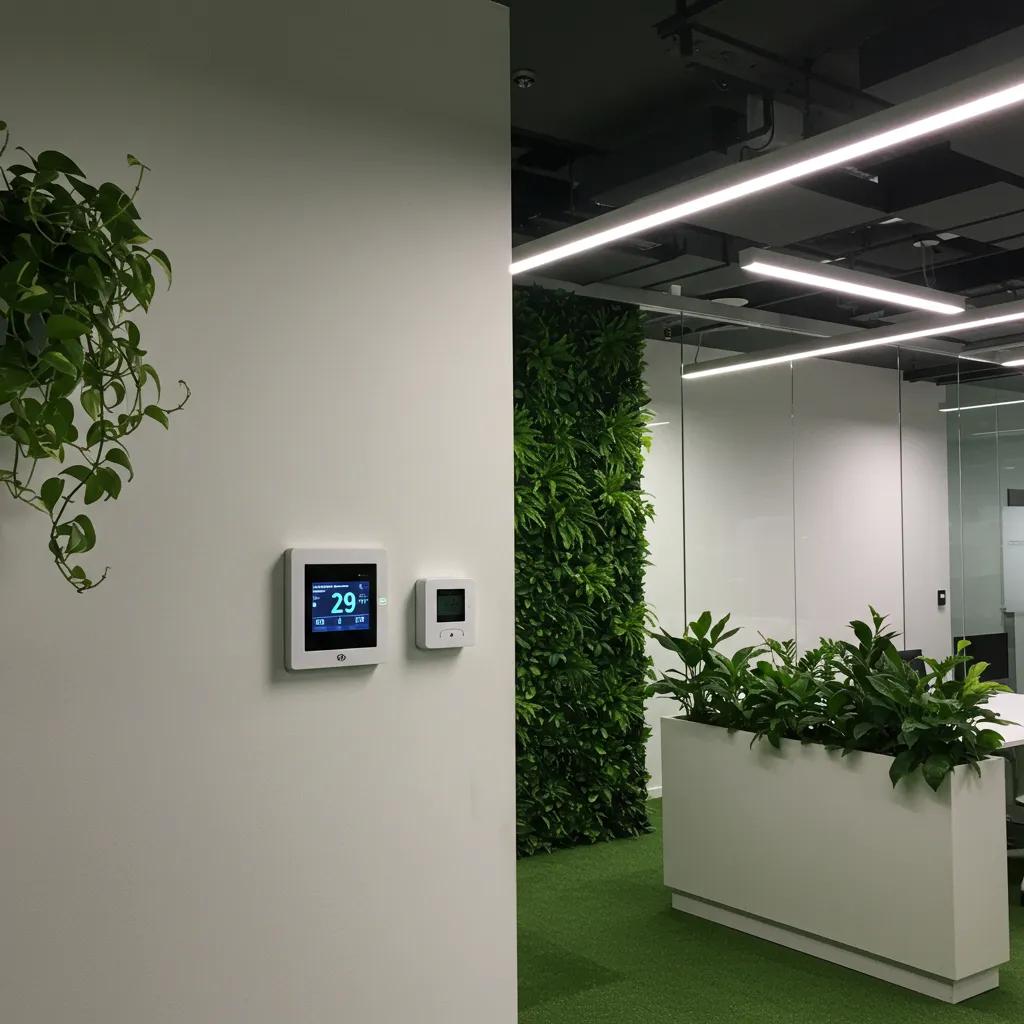
Integrating green solutions optimizes operational costs and elevates corporate responsibility:
| Strategy | Feature | Benefit |
|---|---|---|
| LED Lighting Retrofit | High-efficacy fixtures | Reduces energy consumption by 50% |
| Smart Thermostat Control | Programmable zoning | Lowers HVAC runtime by 20% |
| Low-Flow Fixtures | Water-saving faucets and valves | Cuts water usage by 30% |
These sustainability measures strengthen environmental credentials, decrease utility expenses, and support LEED or WELL certifications, further enhancing asset value and corporate responsibility.
A Methodological Framework for Sustainable Office Building Renovation Using Green Building Rating Systems and Cost-Benefit Analysis
How Do You Manage Risks and Challenges in Commercial Renovation Projects?
Proactive risk management and rigorous oversight practices mitigate delays, quality defects, and budget escalations, ensuring predictable outcomes.
What Are Common Renovation Challenges and How to Overcome Them?
Major challenges typically include hidden structural issues, supply chain delays, and workforce fluctuations:
- Conduct thorough pre-construction surveys to detect structural anomalies early
- Pre-order long-lead items, like custom millwork and specialized HVAC components
- Establish backup labor pools with qualified subcontractors to cover workforce gaps
Anticipating these factors allows teams to deploy targeted mitigation tactics and maintain steady progress.
How to Monitor Progress and Quality Control During Renovation
Implementing systematic oversight ensures that workmanship meets specifications:
- Daily Site Inspections: Verify compliance with drawings and safety protocols
- Quality Checklists: Document installation tolerances for flooring, drywall, and finishes
- Punch-List Process: Track and resolve minor defects before final handover
This layered review framework reinforces accountability and safeguards the integrity of the renovated workspace.
When Should You Adjust Your Renovation Plan or Budget?
Adjustments are warranted when significant scope changes, unforeseen site conditions, or regulatory revisions arise. Triggers for plan updates include:
- Uncovered asbestos or structural deficiencies requiring remediation
- Client-directed design modifications post-permit approval
- Revised local building codes affecting ETA or fire-safety requirements
Timely reassessment of budgets and schedules in these scenarios prevents last-minute crises and preserves overall project viability.
How Can You Ensure a Smooth Office Renovation Completion and Handover?
A seamless transition from construction to occupancy hinges on rigorous inspections, detailed turnover documentation, and post-occupancy support strategies.
What Final Inspections and Approvals Are Required?
Final sign-offs confirm compliance and readiness:
- Building Department Final Inspection: Certifies structural and code compliance
- Fire Marshal Approval: Validates sprinkler, alarm, and egress systems
- Accessibility Compliance Check: Ensures ADA standards are met
Securing these approvals unlocks occupancy permits and mitigates legal exposure, paving the way for operational launch.
How to Prepare Your Office for Reopening After Renovation
Reoccupancy readiness includes:
- Thorough Cleaning: Remove construction dust from HVAC registers, furniture, and surfaces
- Furniture Layout Verification: Confirm that desks, workstations, and storage units align with final plans
- Systems Commissioning: Test lighting controls, network connectivity, and security systems
Executing these tasks in a coordinated sequence ensures a hassle-free return for employees and uninterrupted business continuity.
What Are Best Practices for Post-Renovation Maintenance?
Establishing ongoing upkeep protocols extends asset life and preserves aesthetic integrity:
- Routine Facility Audits: Quarterly checks on HVAC filters, sealants, and flooring seams
- Preventive Maintenance Schedules: Timely replacement of lighting fixtures and mechanical components
- Warranty Tracking: Maintain records of manufacturer warranties for finishes and equipment
These maintenance regimes safeguard the quality investments made during renovation and optimize lifecycle costs.
What Are Key Tips for Successful Office Remodeling Projects?
Practical tips grounded in design strategy, stakeholder engagement, and digital innovation drive renovation excellence and sustained ROI.
How to Balance Aesthetics and Functionality in Office Design
A successful design marries style with usability:
- Incorporate ergonomic furniture and adjustable workstations that complement brand aesthetics
- Use color-coded wayfinding and signage for intuitive navigation
- Integrate biophilic elements—such as live plant walls—to enhance wellbeing without compromising spatial efficiency
This dual focus ensures that workplaces inspire employees while supporting everyday operations.
Why Is Employee Input Valuable During Renovation Planning?
Engaging staff in design surveys and focus groups yields actionable insights:
- Identifies preferred workstation layouts and collaboration zones
- Uncovers pain points in current circulation patterns or amenity access
- Builds ownership and adoption of new spaces, reducing resistance at reoccupancy
Including end-users early enhances satisfaction and aligns spatial solutions with real-world workflows.
How to Leverage Technology for Efficient Renovation Management
Digital tools streamline oversight, communication, and documentation:
- BIM Platforms: Provide 3D modeling and clash detection before construction
- Project Management Software: Centralizes schedules, RFIs, and approvals in real time
- Mobile Inspection Apps: Enable on-site photo capture and punch-list updates
These innovations boost transparency, reduce errors, and accelerate decision cycles, empowering teams to deliver high-quality renovations on schedule.
The cumulative effect of precise planning, robust budgeting, strategic design choices, and adaptive management forms the backbone of every successful commercial renovation. By integrating this essential checklist into project workflows, businesses secure cost control, operational continuity, and optimized work environments that stand the test of time. Continuous evaluation, stakeholder collaboration, and technology adoption further reinforce project excellence and sustainable asset performance.