Sustainable Materials for Local Office Renovation Success: How to Choose and Use Eco-Friendly Solutions
Eco-friendly components transform local office renovation into high-performance, low-carbon workspaces. Adopting sustainable materials for local office renovation success can enhance employee health, reduce energy consumption, and reinforce environmental stewardship. This guide outlines the best renewable and recycled materials, energy-saving advantages, contractor selection criteria, LEED certification strategies, and indoor air quality enhancements—all critical for a successful eco-friendly remodel. For professional green solutions, explore our sustainable office remodeling services.
What Are the Best Sustainable Materials for Local Office Renovations?
Sustainable materials are resources that originate from renewable or reclaimed sources, reducing environmental impact by minimizing resource extraction and carbon emissions. By selecting materials like bamboo and recycled glass, businesses improve indoor air quality and support circular economy practices.
Which renewable and recycled materials improve office sustainability?

Renewable and recycled materials improve office sustainability by reducing demand on virgin resources and diverting waste from landfills. Popular options include:
- Bamboo flooring repurposes fast-growing biomass for durable, low-impact surfaces.
- Reclaimed wood panels salvage historic timber to add warmth and character.
- Recycled glass countertops transform post-consumer glass into resilient surfaces.
- Cork wall tiles use renewable bark harvests for acoustic dampening.
- Repurposed aluminum frames reduce energy in metal production.
These choices support circular manufacturing, lower embodied carbon, and integrate seamlessly into modern office designs.
Best Sustainable Materials
Sustainable materials, such as bamboo flooring and recycled glass countertops, are crucial in improving office sustainability by reducing the demand on virgin resources and minimizing waste. These choices support circular manufacturing and integrate seamlessly into modern office designs.
This source supports the claim that bamboo flooring and recycled glass countertops are examples of sustainable materials that can be used in office renovations.
How do low-VOC paints and adhesives enhance indoor air quality?
Low-VOC paints and adhesives reduce harmful volatile organic compounds in indoor environments, limiting pollutant off-gassing and improving respiratory health for occupants. Selecting water-based finishes and formaldehyde-free adhesives prevents airborne toxins from accumulating, promoting cleaner air and greater employee comfort. Understanding these benefits underscores the importance of choosing low-emission products for sustainable renovations.
Why is locally sourced material important for sustainable office projects?
Locally sourced materials cut transportation emissions and support regional economies, reinforcing the environmental and social pillars of sustainability. When products originate within approximately 100 miles of the project site, projects reduce carbon footprints and foster partnerships with nearby suppliers. Analyzing local sourcing opportunities shapes more resilient and community-focused office renovations.
How Do Sustainable Materials Contribute to Energy Efficiency and Cost Savings?
Sustainable materials enhance energy efficiency by improving insulation, thermal mass, and resource cycles, which reduces heating and cooling demands. For example, cross-laminated timber and recycled aluminum panels both stabilize interior temperatures and help lower utility bills.
| Material | Feature | Benefit |
|---|---|---|
| Cross-laminated timber | High thermal insulation | Stabilizes indoor temperature and reduces heating demand |
| Recycled aluminum panels | Reflective surface | Lowers cooling load by deflecting solar radiation |
These materials integrate energy-saving properties that translate into measurable cost reductions over the building life cycle.
What energy-efficient features do materials like cross-laminated timber and recycled aluminum offer?
Cross-laminated timber offers structural insulation with a moderate R-value that helps stabilize indoor temperatures, while recycled aluminum panels reflect solar radiation to reduce cooling loads and extend façade lifespan. Evaluating these features reveals how material choice directly impacts operational efficiency.
How do sustainable materials reduce long-term operational costs?
Key ways sustainable materials reduce operational expenses include:
- Lower energy bills from improved insulation and reflective surfaces.
- Reduced maintenance costs due to durable, corrosion-resistant components.
- Enhanced property value through certified green building standards.
- Access to tax incentives and rebates linked to eco-friendly upgrades.
By cutting both utility and upkeep costs, sustainable materials deliver compelling financial returns over the renovation lifecycle.
How Can Local Contractors Support Sustainable Office Renovation Success?
Local contractors play a crucial role in sustainable office renovation by applying region-specific knowledge, material sourcing, and green building practices. Partnering with experts experienced in low-carbon construction ensures effective integration of recycled steel and energy-efficient systems, aligning project objectives with community regulations and sustainable supply chains.
What criteria should you use to select sustainable office renovation contractors?
When choosing a contractor, evaluate:
- LEED-accredited professionals with proven green credentials.
- A portfolio of completed eco-friendly office projects.
- Established partnerships with certified sustainable material suppliers.
These selection criteria ensure that chosen contractors deliver high-performance, low-impact office remodels.
How do local regulations and incentives influence material choices?
Local building codes and sustainability incentives shape material selection by defining required energy standards and offering rebates for green upgrades. Programs like tax credits for recycled content and grants for renewable energy installations incentivize choices such as FSC-certified wood or solar-ready façades. Understanding these regulatory frameworks maximizes both compliance and financial benefits.
What Role Does LEED Certification Play in Sustainable Office Renovations?
LEED certification offers a recognized framework for evaluating sustainable office renovations based on environmental, social, and economic factors. Achieving higher LEED levels validates efficient use of sustainable materials, energy systems, and indoor environmental quality enhancements, elevating project credibility and measurable building performance.
How do sustainable materials help achieve LEED certification levels?
Sustainable materials contribute LEED credits in categories such as:
- Materials & Resources: Using recycled and reclaimed content.
- Indoor Environmental Quality: Applying low-VOC finishes.
- Energy & Atmosphere: Integrating high-performance insulation and reflective surfaces.
Leveraging these materials secures critical LEED points across multiple sustainability categories.
What are the key steps for LEED certification in existing office renovations?
Steps to guide an existing office renovation through LEED include:
- Conduct a sustainability pre-assessment.
- Appoint a LEED Accredited Professional for project oversight.
- Document sustainable material sourcing and waste diversion.
- Perform energy modeling and indoor air quality testing.
- Submit the application and verify credit attainment.
Following these steps guides projects efficiently through the LEED certification process.
How Does Improving Indoor Air Quality Enhance Office Renovation Outcomes?
Improving indoor air quality enhances renovation outcomes by promoting occupant health, productivity, and overall satisfaction. Installing advanced ventilation systems alongside low-VOC materials leads to cleaner air, reduced absenteeism, and a stronger workforce performance.
Which sustainable materials reduce indoor pollutants and VOCs?
Key materials for cleaner indoor environments include:
- Low-VOC paints with water-based formulations.
- Formaldehyde-free flooring adhesives.
- Recycled wool carpets that trap particles.
- Natural linoleum flooring that emits negligible off-gassing.
These materials minimize off-gassing, creating a healthier workplace that supports wellness-focused design.
How do ventilation and biophilic design complement material choices?
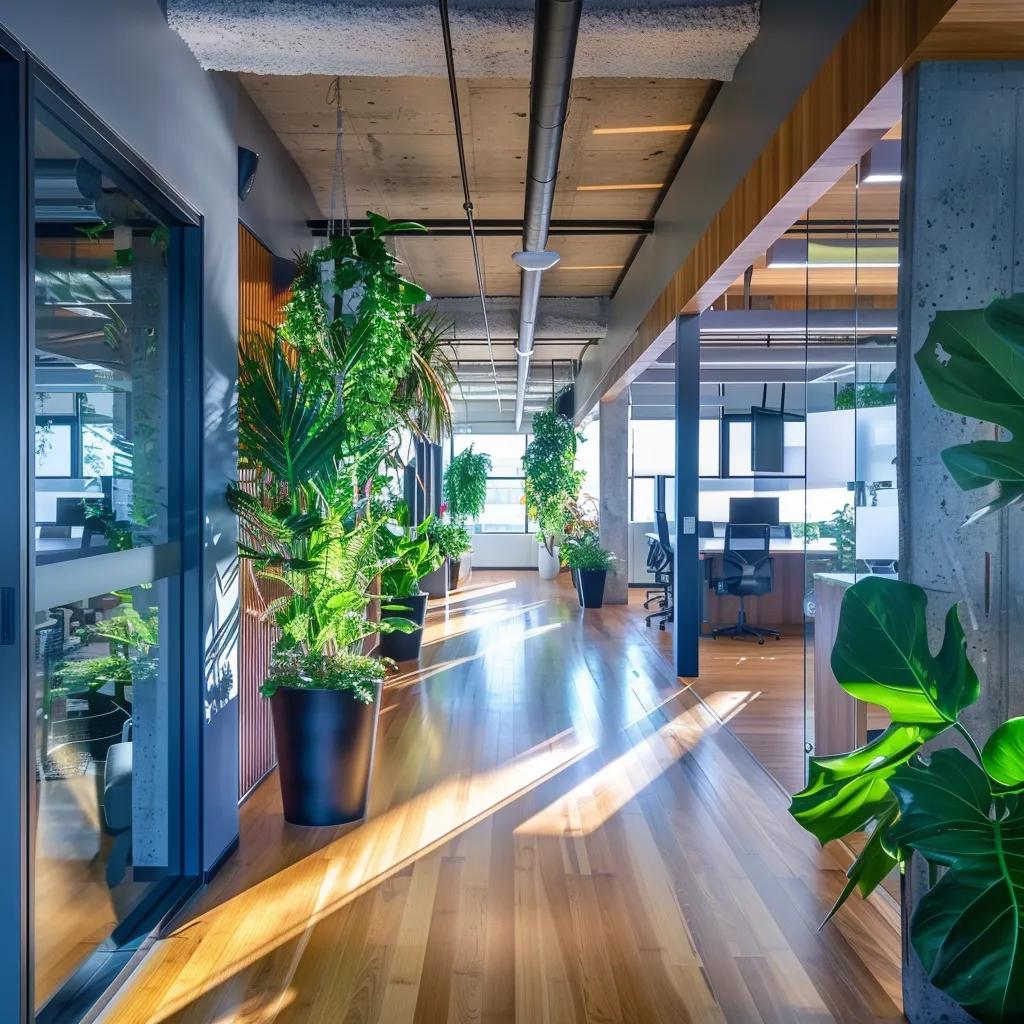
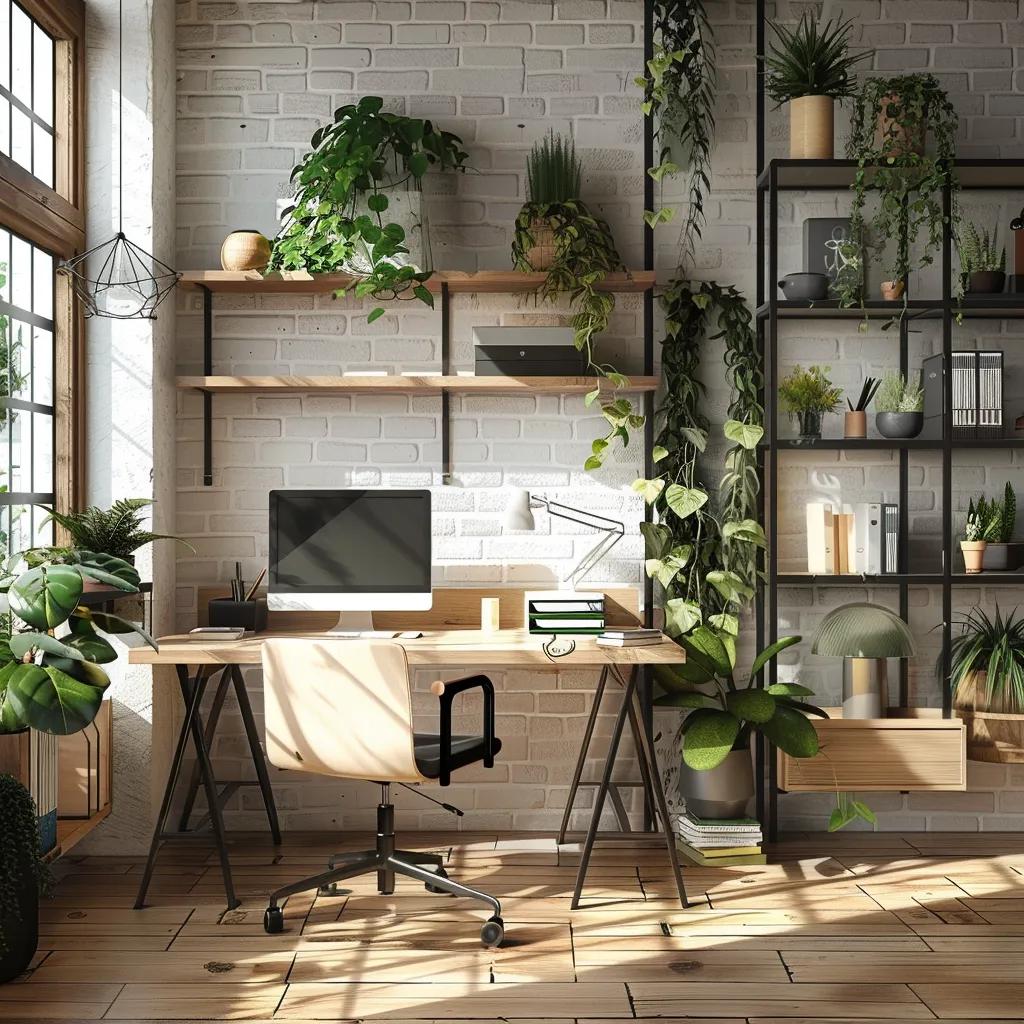
Proper ventilation systems ensure continuous fresh air exchange, removing residual pollutants, while biophilic elements like indoor plants and natural materials further filter air and enhance psychological well-being. Combining mechanical air exchange with greenery and exposed wood creates a holistic environment that aligns with sustainable material strategies, solidifying indoor environmental quality improvements.
By integrating renewable resources, energy-saving materials, and rigorous green standards, local office renovation projects can achieve cost-effective, high-performance workspaces. Engaging contractors with sustainable expertise and pursuing LEED certification further ensures environmental stewardship and occupant well-being. Prioritizing indoor air quality through low-emission finishes, ventilation, and biophilic design supports a healthier workforce and reinforces brand value. To explore tailored sustainable solutions, request a consultation with our sustainable office remodeling experts.