
Sustainable Office Design Benefits for Modern Workspaces: Key Advantages and User Insights
Sustainable office design transforms modern workspaces by aligning environmental stewardship with employee health and business performance. As organizations face rising energy costs, resource scarcity, and workforce well-being challenges, adopting green design practices offers a clear solution: reduced operational carbon output, boosted productivity, and enhanced brand reputation. This article explores four key themes—environmental benefits, human-centric enhancements, economic advantages, implementation trends, and certification standards—to reveal the full benefits of sustainable office design in today’s dynamic workplace.
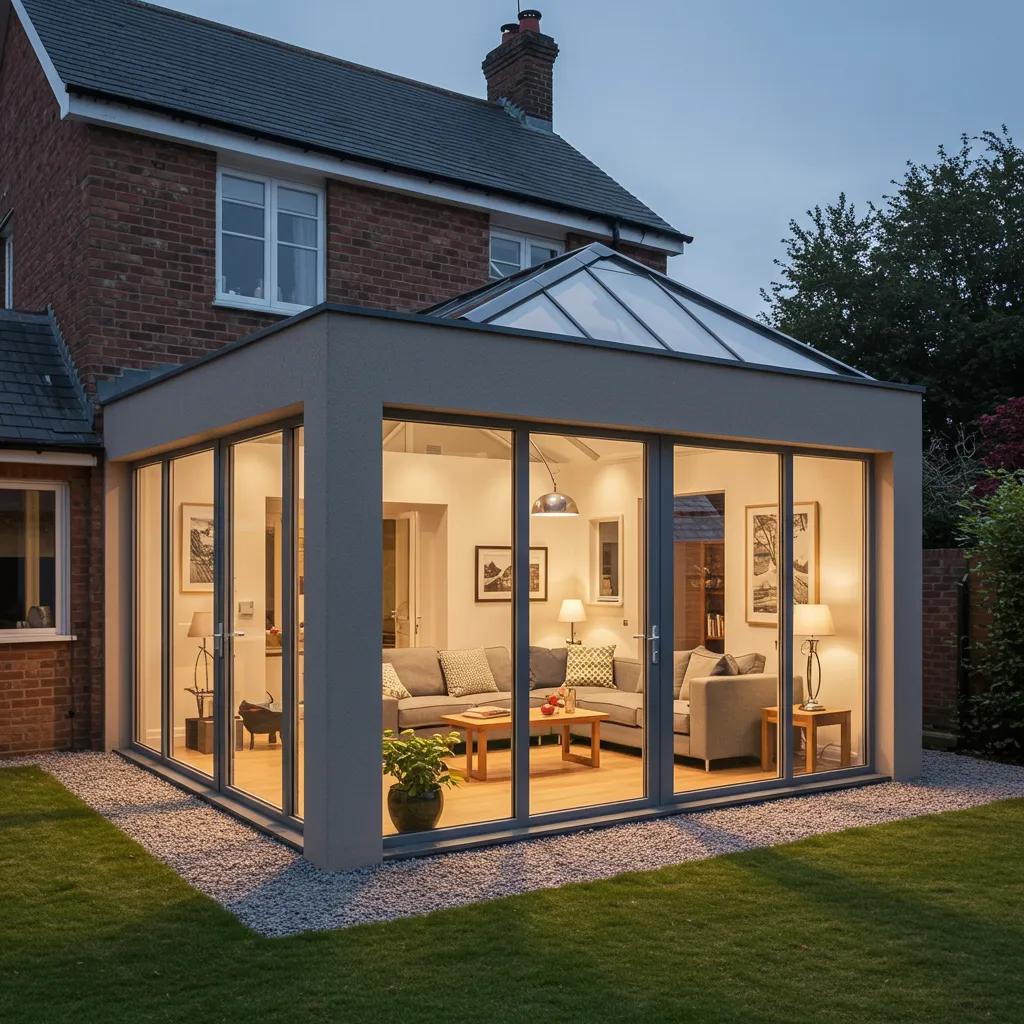
Sustainable Office Spaces: Shaping the Future of Modern Work Environments
What Are the Main Environmental Benefits of Sustainable Office Design?
Sustainable office design focuses on reducing ecological impact by integrating renewable energy, efficient water use, and circular material choices.
- Lower carbon emissions through on-site renewable power generation.
- Reduced water consumption via high-efficiency fixtures and rainwater harvesting.
- Waste minimization by selecting recycled and recyclable materials.
These core strategies enhance environmental performance and pave the way for targeted carbon footprint reduction.
How Does Sustainable Office Design Reduce Carbon Footprint?
By sourcing clean energy and optimizing building systems, sustainable design cuts greenhouse gas emissions at the source.
- Solar panels offset grid electricity and lower Scope 2 emissions.
- Smart HVAC zoning adapts heating and cooling to real-time occupancy.
- High-performance insulation and glazing minimize thermal losses.
Implementing these measures can lower a workplace’s annual carbon output by up to 40%, establishing a more resilient built environment.
Which Energy-Efficient Technologies Lower Office Energy Use?
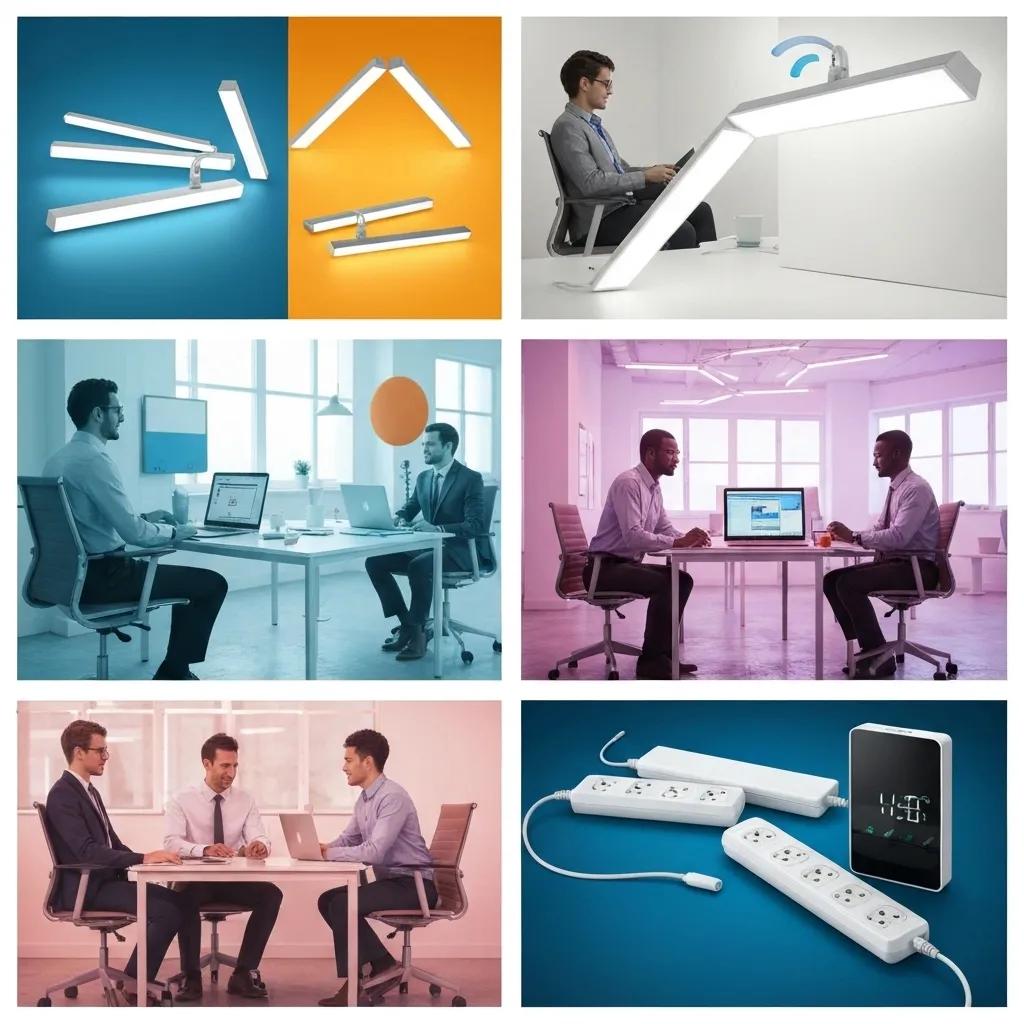
Energy-efficient solutions leverage intelligent controls and low-power equipment to shrink consumption and costs.
| Technology | Mechanism | Impact |
|---|---|---|
| LED Lighting | High-efficacy diodes with dimming | 50–70% reduction in lighting load |
| Smart HVAC Systems | Occupancy sensors and zoning | 20–30% lower heating/cooling use |
| Motion-activated Power Strips | Eliminates standby power draw | Up to 8% total energy savings |
Together, these technologies deliver significant operational savings while supporting broader sustainability goals.
What Sustainable Materials Support Eco-Friendly Office Interiors?
Selecting low-impact and rapidly renewable materials reduces embodied carbon and supports circularity.
| Material | Characteristic | Benefit |
|---|---|---|
| Recycled Steel | High durability | Minimizes virgin resource extraction |
| Bamboo Flooring | Rapid renewability | Sequesters carbon and regenerates fast |
| Low-VOC Paint | Reduced chemical emissions | Improves indoor air quality |
These material choices foster an eco-conscious interior and align with corporate sustainability commitments.
How Does Sustainable Office Design Enhance Employee Well-Being and Productivity?
Human-centric design integrates natural elements and healthy environments to boost morale and performance.
- Biophilic features reduce stress and sharpen focus.
- Clean indoor air supports respiratory health and alertness.
- Daylighting and ergonomic layouts optimize comfort and energy.
This holistic approach cultivates a work environment where people truly thrive.
What Role Does Biophilic Design Play in Employee Health?
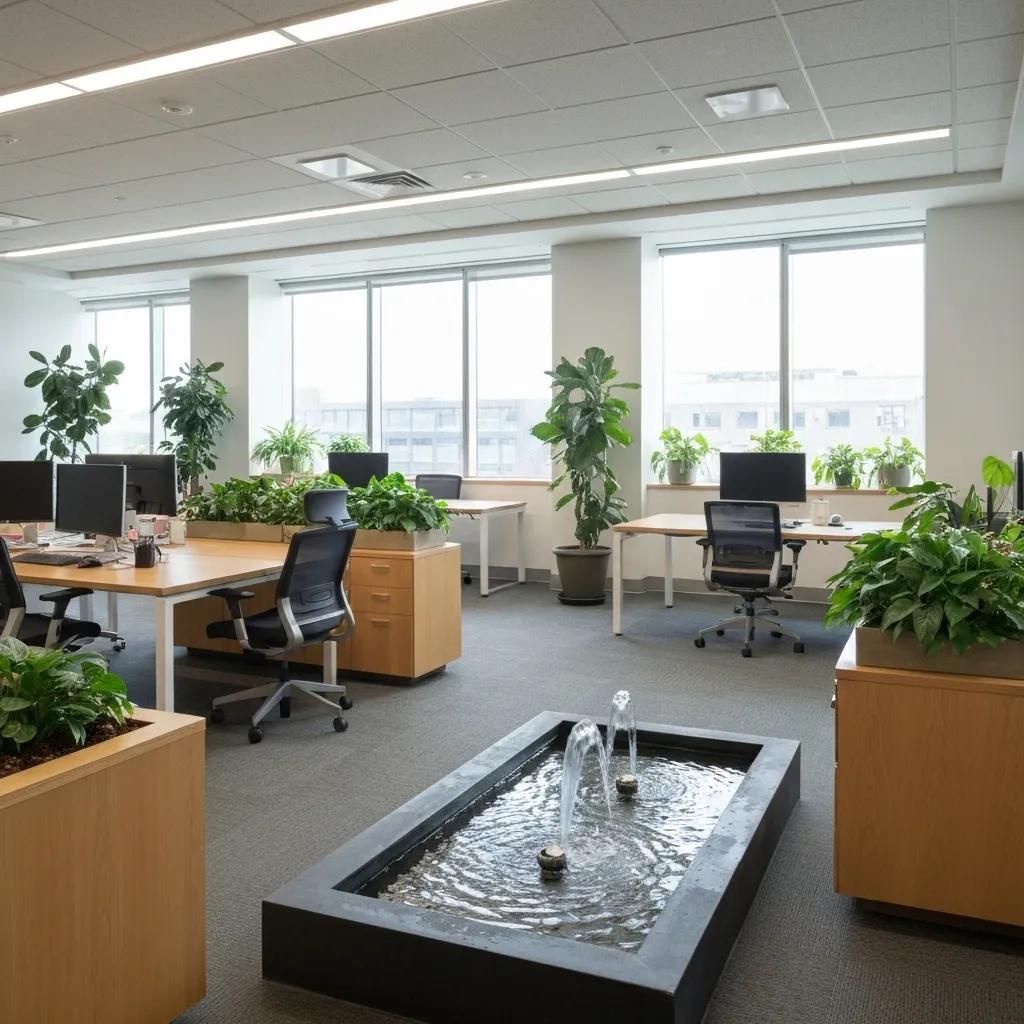
Biophilic design brings nature indoors to elevate mood, cognition, and resilience.
- Indoor plants lower cortisol levels and improve concentration.
- Natural patterns and materials create visual harmony and reduce fatigue.
- Water elements deliver calming sounds that mask distracting noise.
These natural connections promote sustained focus and well-being across the workday.
How Does Improved Indoor Air Quality Benefit Office Workers?
Optimized ventilation and filtration systems eliminate pollutants and balance humidity for healthier occupants.
- HEPA filters capture fine particulates and allergens.
- Low-VOC finishes limit off-gassing of harmful compounds.
- CO₂ monitoring ensures fresh air exchanges per hour.
Cleaner air reduces sick days, accelerates recovery, and fosters higher alertness.
Why Is Natural Light Important for Workplace Comfort and Focus?
Daylighting strategies harness sunlight to regulate circadian rhythms and minimize eyestrain.
- South-facing windows maximize winter light and heat gains.
- Light shelves diffuse sunlight deeper into open areas.
- Glare-control glazing balances brightness and visual comfort.
Access to daylight enhances energy levels, concentration, and overall satisfaction.
What Are the Economic and Business Advantages of Green Office Design?
Green office design delivers measurable financial returns by lowering overhead and strengthening brand equity.
- Energy and water savings drive down utility bills.
- Durable, sustainable materials reduce maintenance costs.
- ESG visibility and certifications attract purpose-driven investors and clients.
These economic gains reinforce the case for a purpose-led workplace strategy.
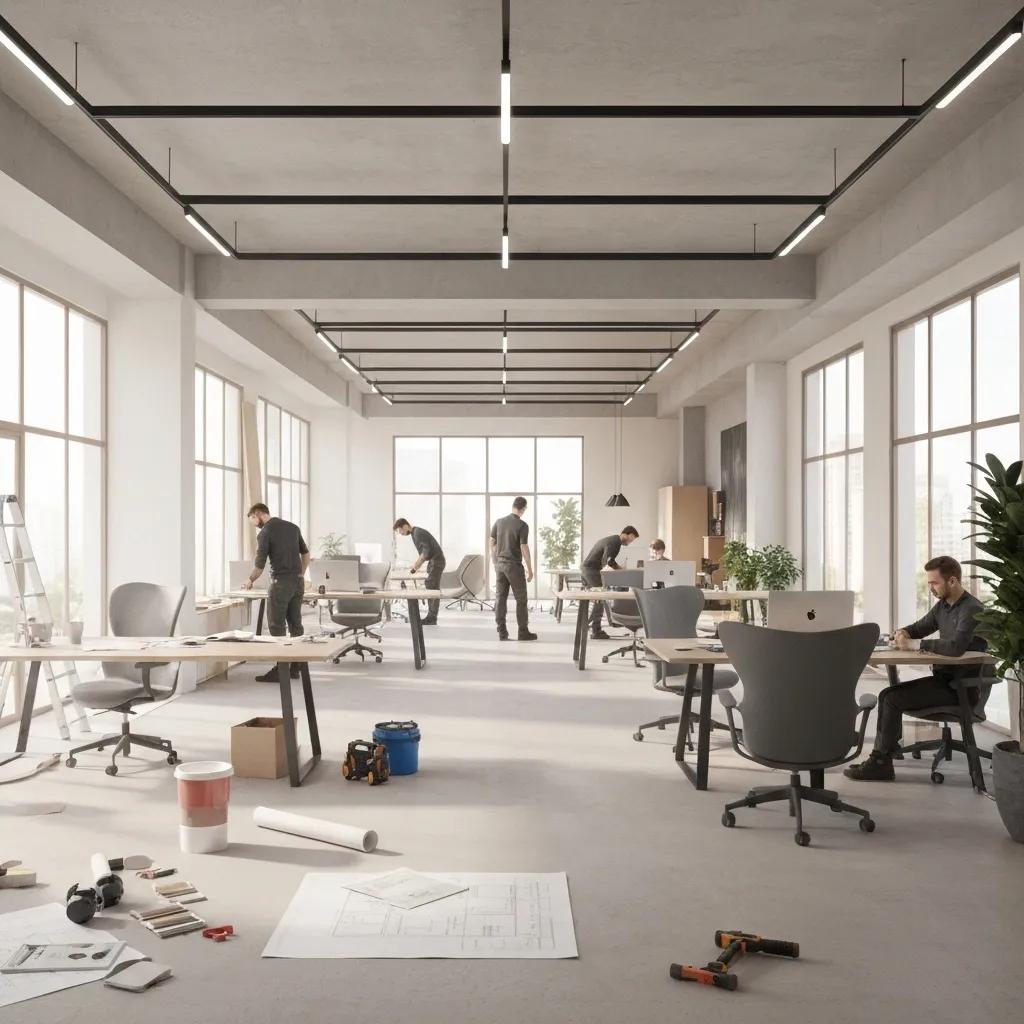
The Economic Benefits of Implementing Green Practices in the Workplace
How Do Sustainable Offices Deliver Cost Savings and ROI?
Efficiency upgrades and on-site renewables generate ongoing savings and rapid payback.
- Utility expenses can drop by up to 40% through efficient systems.
- Tax credits and rebates offset initial capital outlay.
- Reduced replacement cycles from high-performance materials cut lifecycle costs.
These financial returns amplify long-term profitability and resilience.
Why Is Talent Attraction Stronger in Sustainable Workplaces?
Environmentally responsible designs resonate with values-driven professionals seeking healthy, purpose-aligned employers.
- 81% of workers prefer organizations with strong sustainability commitments.
- Green workspaces signal progressive company culture.
- Employee engagement rises when workplaces reflect personal values.
A sustainable office becomes a magnet for top talent and drives retention.
How Does Green Office Design Enhance Corporate Brand Image?
Visible sustainability features convey authenticity and social responsibility to stakeholders.
- Certification plaques (LEED, WELL) showcase verified performance.
- Transparent sustainability reporting builds investor and customer trust.
- Positive media coverage differentiates brands in competitive markets.
A demonstrably green workspace amplifies reputation and fosters long-term loyalty.
What Are the Key Implementation Trends in Sustainable Office Design?
Emerging trends blend smart systems and adaptable layouts to meet evolving operational and human needs.
- Data-driven controls optimize resource use in real time.
- Modular furniture and partitions support flexible hybrid work models.
These strategies future-proof offices for changing business demands.
How Is Smart Technology Integrated into Sustainable Workspaces?
Smart solutions connect sensors, analytics, and automation to fine-tune building performance.
- IoT sensors track occupancy for precise HVAC and lighting control.
- Cloud dashboards visualize energy usage and set performance targets.
- Adaptive lighting adjusts to natural light levels and user preferences.
Such innovations ensure continuous efficiency gains and occupant comfort.
Why Are Flexible and Modular Office Layouts Important for Sustainability?
Modular systems extend lifecycle value and accommodate shifting team structures with minimal waste.
- Demountable walls reduce demolition and disposal impacts.
- Multi-functional furniture adapts to various tasks and group sizes.
- Plug-and-play infrastructure simplifies future reconfiguration.
Flexibility conserves resources and aligns design with dynamic work patterns.
What Certifications Validate Sustainable Office Design Benefits?
Third-party certifications like LEED and WELL establish clear criteria for environmental performance and occupant health.
- Certification ensures projects meet rigorous benchmarks.
- Verified metrics instill confidence among stakeholders.
- Accreditation supports transparent sustainability reporting.
How Do LEED and WELL Certifications Impact Office Sustainability?
LEED and WELL frameworks drive measurable improvements in energy, materials, and health performance.
- LEED Silver or higher guarantees at least a 20% energy saving over baseline.
- WELL Bronze or above addresses air, light, nourishment, and comfort.
- Combined certification demonstrates a holistic commitment to both environment and people.
Certification delivers a credible performance seal that resonates with investors, employees, and clients.
LEED vs. WELL: Choosing the Right Certification for Your Building's Needs
Why Are Green Building Standards Essential for Modern Workspaces?
Green building standards offer consistent guidance and benchmarking for sustainable design.
- BREEAM and NABERS provide region-specific assessment metrics.
- Standards facilitate transparent reporting and year-over-year improvement.
- Common criteria enable cross-project comparisons and industry best-practice sharing.
Adhering to these frameworks ensures accountability, resilience, and long-term value.
Embracing sustainable office design delivers a triple bottom line of planet, people, and profit benefits—driving environmental stewardship, elevating employee well-being, and unlocking economic gains. By integrating renewable technologies, biophilic principles, and flexible layouts, businesses can future-proof their workspaces while reinforcing brand credibility. Pursuing recognized certifications and standards validates these investments and builds stakeholder trust. Organizations that act now will lead the way in creating healthier, more resilient, and competitively advantaged work environments.