
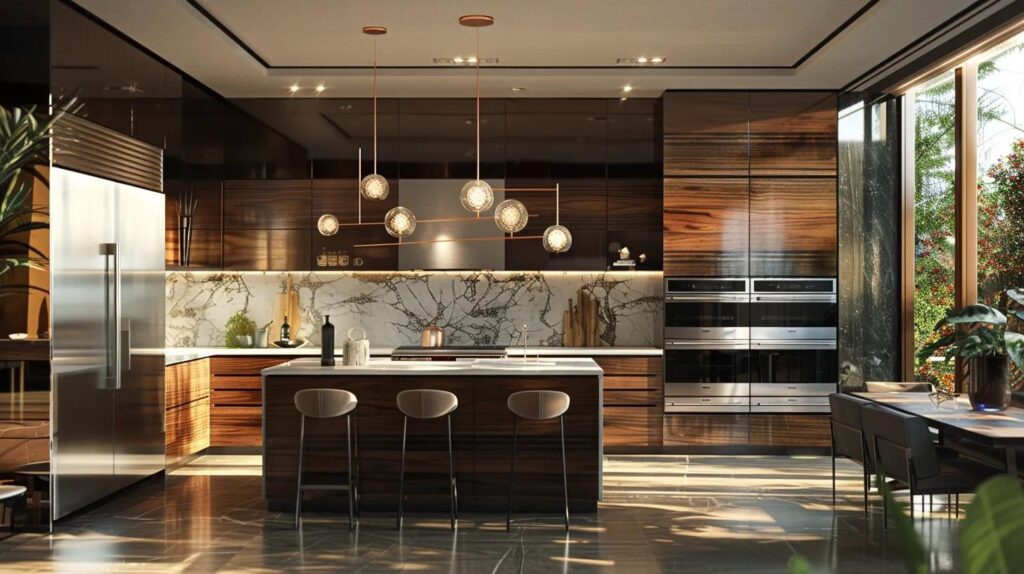
Kitchen Cabinet Materials: Which Option Reigns Supreme?
When renovating a kitchen, selecting the ideal cabinet material is a critical decision that balances aesthetics, durability, maintenance, sustainability, and cost. This article highlights the unique characteristics, benefits, and drawbacks of popular cabinet materials—from traditional hardwoods to engineered products and modern alternatives—to help you make an informed decision that fits your style and budget.
Key Takeaways
- Cabinet materials vary in design, cost, durability, and maintenance.
- Traditional wood options such as oak, maple, and cherry offer classic beauty but require upkeep.
- Engineered materials like MDF, plywood, and particleboard provide value with some moisture sensitivity.
- Alternatives including thermofoil, laminate, stainless steel, and acrylic offer modern looks and moisture resistance.
- Balancing design, budget, and sustainability is essential for a successful remodel.
What Are the Most Popular Kitchen Cabinet Materials?
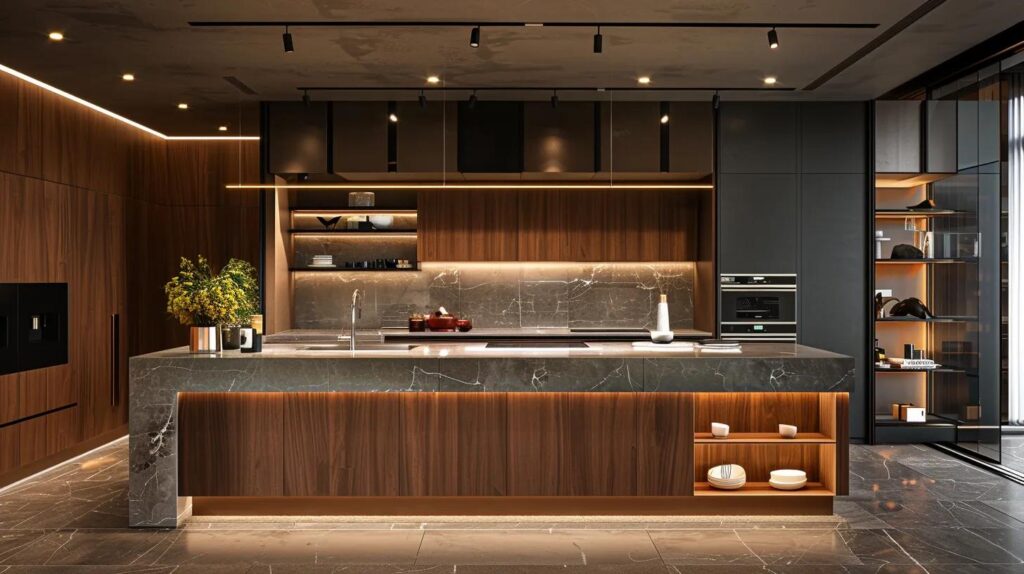
Popular choices include: • Solid wood (oak, maple, cherry) known for natural warmth and unique grain. • Engineered woods (MDF, plywood, particleboard) prized for affordability and painted finishes. • Modern alternatives (thermofoil, laminate, stainless steel, acrylic) that offer sleek, low-maintenance finishes.
What Are the Characteristics of Wood Cabinets Like Oak, Maple, and Cherry?
Wood cabinets provide natural beauty and durability. • Oak showcases pronounced grain and a rustic look adaptable by staining. • Maple has a lighter, smoother tone ideal for bright kitchens. • Cherry deepens over time for an elegant appearance. Despite periodic maintenance needs, their repairability and timeless appeal make wood cabinets a lasting investment.
How Do Engineered Materials Like MDF, Plywood, and Particleboard Compare?
Engineered materials offer a cost-effective, consistent alternative to solid wood. • MDF has a smooth surface ideal for painting, though it requires proper sealing against moisture. • Plywood, with layered veneer construction, resists warping and suits humid environments. • Particleboard is the most affordable but less durable over time. These options support various finishes while balancing cost and performance.
What Are the Benefits of Alternative Materials Such as Thermofoil, Laminate, Stainless Steel, and Acrylic?
Modern alternatives enhance design and ease maintenance. • Thermofoil provides a seamless, moisture-resistant finish over an engineered base. • Laminate offers numerous colors and textures that resist scratches and stains. • Stainless steel delivers an industrial, durable, and easy-to-clean surface, though it may show fingerprints. • Acrylic cabinets contribute a high-gloss, futuristic look with straightforward upkeep. Their resistance to water and heat makes them ideal in busy kitchen settings.
How Do Kitchen Cabinet Materials Compare in Cost and Durability?
Costs and longevity depend on material type, construction, and finish quality. • Solid wood cabinets are premium priced but known for longevity and ease of repair. • MDF and plywood offer lower-cost solutions with acceptable durability if water exposure is controlled. • Alternatives such as thermofoil and laminate strike a mid-range price while balancing design and maintenance, and stainless steel or acrylic can command higher prices for modern appeal.
What Is the Average Cost Range for Each Cabinet Material?
• Solid Wood (Oak, Maple, Cherry): $500–$1,500 per linear foot • Engineered Wood (MDF, Plywood, Particleboard): $250–$800 per linear foot • Alternatives (Thermofoil, Laminate, Acrylic): $300–$1,000 per linear foot • Stainless Steel: $800–$2,000 per linear foot Homeowners should weigh upfront cost against long-term durability, maintenance, and potential repair expenses.
Which Materials Offer the Best Durability and Longevity?
Well-maintained solid wood cabinets can last generations. High-quality plywood resists warping and cracking, and thermofoil finishes also perform well if protected from moisture. Although stainless steel may show cosmetic wear over time, its water and heat resistance remains strong. Overall, durability often justifies higher initial investment.
How Does Water and Heat Resistance Vary Among Cabinet Materials?
Solid wood may expand or contract with humidity, while MDF and particleboard are more prone to moisture damage unless sealed. High-grade plywood, thermofoil, and laminate finishes resist moisture and heat effectively. Stainless steel is nearly impervious but requires regular cleaning to maintain its look. Understanding these properties helps in choosing a cabinet type that will function well over time.
What Are the Pros and Cons of Each Kitchen Cabinet Material?
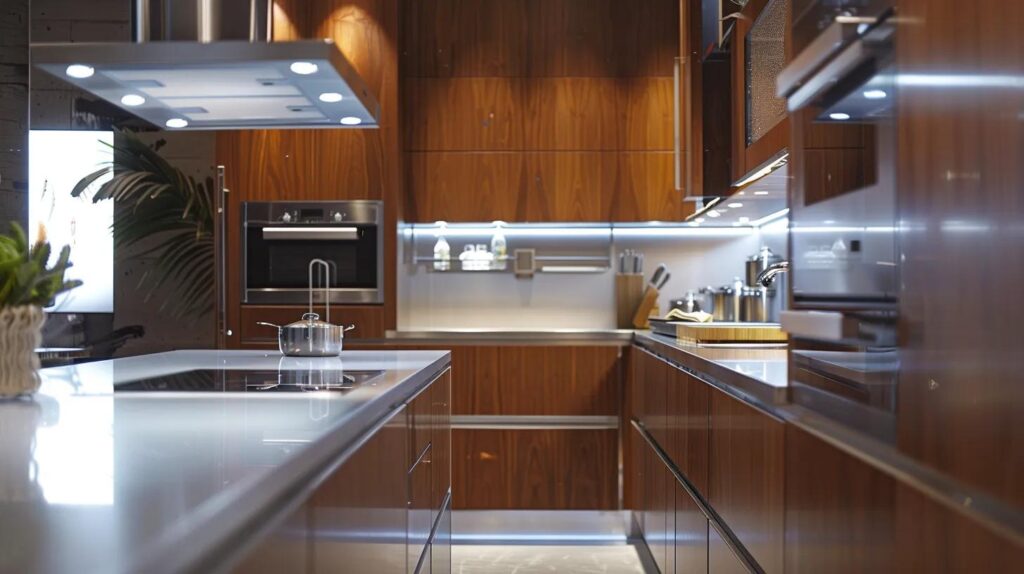
Every material has advantages and limitations. • Wood cabinets offer unmatched natural beauty and repairability, although they require regular maintenance and cost more. • MDF and plywood provide consistency and affordability but require proper sealing to prevent water damage. • Alternatives like thermofoil, laminate, stainless steel, and acrylic yield modern aesthetics and low-maintenance surfaces, though repair can be challenging if damaged.
What Are the Strengths and Weaknesses of Wood Cabinets?
Wood offers warmth, durability, and the ability to be refinished. However, they are generally more expensive and vulnerable to warping, scratching, and water damage without proper care.
What Are the Advantages and Limitations of MDF and Plywood Cabinets?
MDF’s smooth surface is excellent for detailed finishes but lacks natural depth. Plywood provides better structural integrity and moisture resistance, making it more reliable in humid environments. Both options require sealing to maintain their performance.
What Should You Know About Thermofoil, Laminate, Stainless Steel, and Acrylic Cabinets?
Thermofoil resists moisture and stains but is harder to repair if damaged. Laminate offers versatility in design yet can chip with rough handling. Stainless steel cabinets boast durability and resistance to water and heat, while acrylic provides a striking high-gloss finish but may show fingerprints and require occasional polishing.
How to Choose the Best Kitchen Cabinet Material for Your Needs and Budget?
Choosing a cabinet material depends on your kitchen’s design, usage, and budget. • Choose solid wood for natural beauty and repairability if maintenance is not an issue. • Select engineered wood for a balance of cost and uniformity. • Opt for modern alternatives in kitchens with high humidity or where a sleek, low-maintenance finish is desired. Your kitchen’s style and environmental conditions should guide your decision.
Which Materials Are Best for Different Kitchen Styles and Designs?
For traditional kitchens, wood cabinets like oak, maple, and cherry provide classic appeal. Modern kitchens may favor stainless steel or acrylic for a sleek, industrial look, while transitional designs can combine engineered bases with laminate or thermofoil finishes.
How Do Maintenance Requirements Influence Material Choice?
Wood requires periodic refinishing and careful cleaning; engineered materials need quality seals against moisture, and modern alternatives tend to be low-maintenance but may require specific cleaners to preserve their finish. Assess your willingness to keep up with maintenance when selecting a material.
What Environmental and Sustainability Factors Should Be Considered?
Sustainability is key in home renovations. Responsibly sourced wood can be eco-friendly, while engineered products may emit VOCs if not properly treated. Long-term durability also contributes to sustainability by reducing waste over time.
How Do Oak Cabinets Compare to Maple and Other Wood Options?
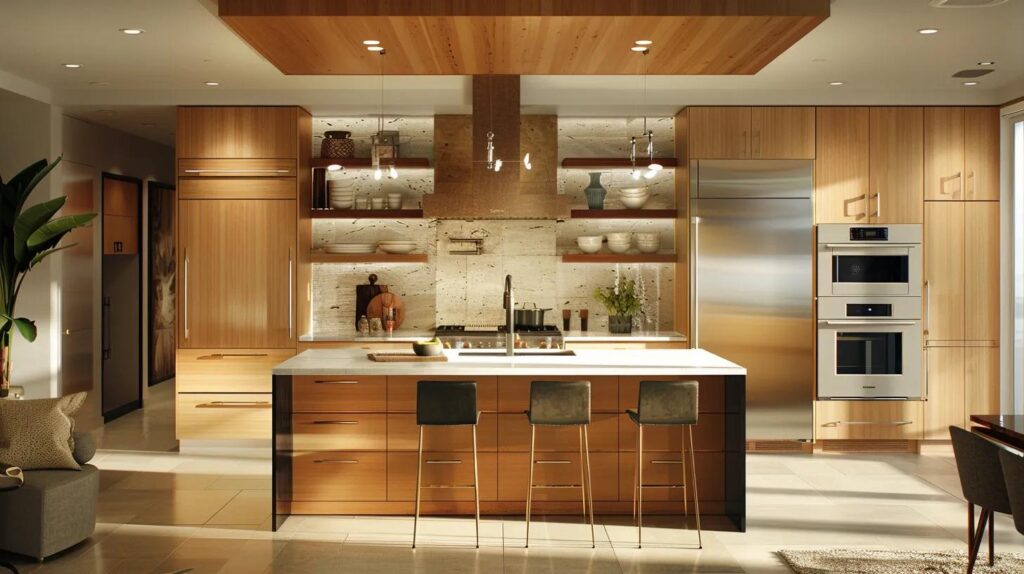
Oak and maple each offer distinct benefits: • Oak features a pronounced grain and robust texture suited for high-traffic areas. • Maple’s smoother, lighter surface brightens a space and may be slightly more budget-friendly. Both require similar maintenance routines, though oak tends to be more resistant to dents.
What Are the Cost Differences Between Oak and Maple Cabinets?
Oak generally costs a bit more than maple due to its robust texture and traditional appeal, though prices vary with finish, quality, and regional availability.
How Does Durability and Appearance Vary Between Oak and Maple?
Oak’s pronounced grain offers durability in busy kitchens, while maple’s even appearance creates a sleek, modern look. Protective finishes are essential for both to prevent water and heat damage.
What Are the Maintenance Needs for Oak vs. Maple Cabinets?
Both types need regular upkeep, though oak may require more frequent cleaning to prevent dirt accumulation in its grain, while maple’s smoother surface is easier to maintain.
What Are the Key Differences Between MDF and Plywood Cabinets?
MD and plywood differ in construction and performance. • MDF is made from wood fibers and resin, yielding a smooth surface ideal for detailed paint work. • Plywood consists of layered wood veneers, providing greater strength and moisture resistance.
How Do MDF and Plywood Differ in Cost and Durability?
MDF is typically more economical but less durable in high-humidity areas compared to plywood, which justifies its slightly higher price through superior performance.
What Are the Aesthetic and Finish Options for MDF vs. Plywood?
MDF’s uniform surface is perfect for flawless paint finishes, while plywood’s natural layers offer a more textured appearance that can be highlighted with stain or veneer.
Which Material Performs Better in Moisture-Prone Areas?
Plywood generally outperforms MDF in humid environments due to its layered structure and higher resistance to swelling when properly sealed.
What Are the Most Frequently Asked Questions About Kitchen Cabinet Materials?
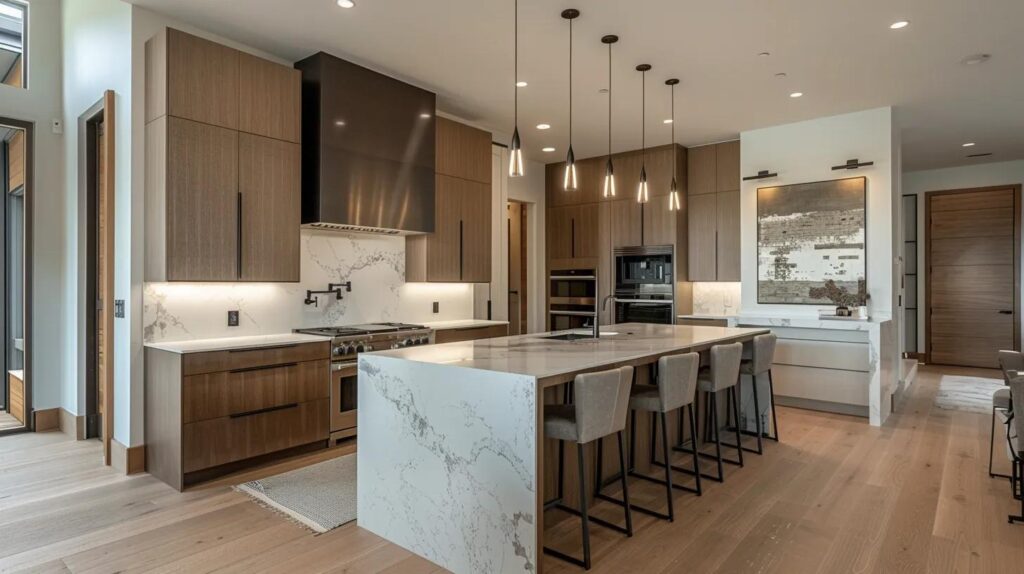
What Is the Best Material for Kitchen Cabinets?
The best material depends on your priorities. Solid wood is ideal for natural beauty and longevity, high-quality plywood offers a budget-friendly durable option, and alternatives like thermofoil or laminate are best for low-maintenance, modern aesthetics.
How Much Do Kitchen Cabinets Cost on Average?
Costs vary widely: solid wood ranges from $500–$1,500 per linear foot, engineered wood from $250–$800, and alternatives such as laminate or thermofoil from $300–$1,000 per linear foot.
What Are the Pros and Cons of MDF Cabinets?
MDF offers a smooth, uniform surface perfect for detailed painting but is more susceptible to water damage compared to plywood.
Which Kitchen Cabinet Material Is the Most Durable?
High-quality solid wood and plywood are among the most durable options, with oak, cherry, and premium plywood providing excellent resistance to wear and moisture.
Final Thoughts
Kitchen cabinet material selection is crucial for both functionality and aesthetics. Each option—from solid wood to engineered materials and modern alternatives—has its unique advantages and challenges. Consider your budget, maintenance capacity, and environmental conditions to choose a material that will deliver lasting beauty, durability, and sustainability in your kitchen remodel.
Frequently Asked Questions
Q: How do I determine which cabinet material is right for my kitchen? A: Consider your budget, kitchen environment, design style, and maintenance commitment.
Q: Can engineered wood cabinets withstand high humidity? A: Plywood generally handles humidity better than MDF, though additional sealing can help.
Q: Are alternative materials like thermofoil or laminate low-maintenance? A: Yes, they are designed to resist water, stains, and heat and require only regular cleaning.
Q: How frequently should wooden cabinets be refinished? A: Generally every 5–10 years to maintain their appearance and protect against damage.
Q: What should I prioritize: cost or durability? A: It depends on your long-term priorities; durable materials like high-quality plywood or solid wood may offer better value despite higher initial costs.